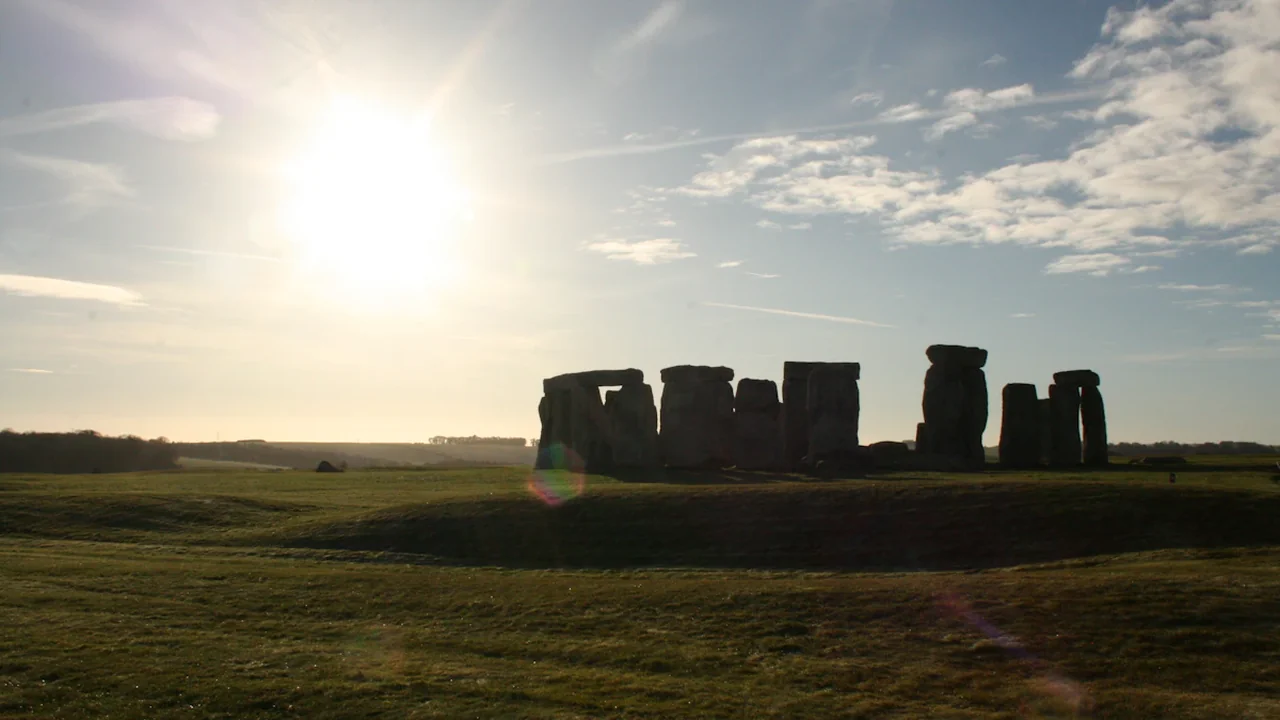
The autumn equinox serves as a definitive astronomical marker, signaling the transition from the warmth of summer to the cooling influence of winter. For observers in the United Kingdom, this event is not merely a date on the calendar but a tangible shift in the Earth’s relationship with the Sun. According to precise calculations provided by the Royal Museums Greenwich, the autumn equinox in 2026 will occur on September 22 at 14:50 BST.
At this exact moment, the Sun crosses the celestial equator—an imaginary line in the sky directly above the Earth’s equator. As the Sun moves from north to south, the Earth’s tilt relative to its orbit around the Sun results in nearly equal hours of daylight and darkness across the globe. This phenomenon serves as the astronomical bridge between the seasons, marking the start of autumn in the Northern Hemisphere.
Astronomical Precision vs. Meteorological Seasons
While the equinox is a fixed point in space and time, it is important to distinguish this astronomical event from the meteorological seasons used by the Met Office. Meteorological autumn is defined by the calendar year, beginning on September 1 and concluding on November 30.
This distinction exists primarily for the benefit of climate science and data consistency. By grouping entire months together—September, October, and November—meteorologists can compare seasonal weather patterns and temperature trends across different years with greater accuracy. In contrast, the astronomical equinox shifts slightly each year due to the Earth’s elliptical orbit and the way our calendar accounts for leap years, making it a less stable metric for long-term climate recording.
The Rapid Shift in Daylight Hours
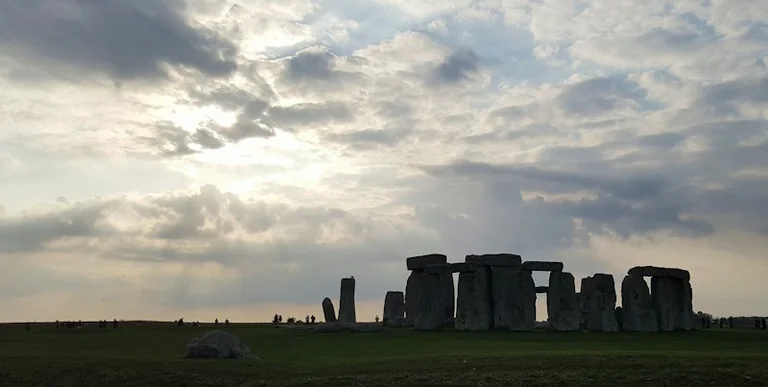
Following the September equinox, the Northern Hemisphere begins to tilt progressively further away from the Sun. For residents across Britain, the most immediate consequence is the noticeable acceleration in the loss of daylight.
While the equinox itself suggests a balance of light and dark, the rate of change in day length is at its most rapid during this period. In the weeks immediately following the equinox, the Sun sets significantly earlier each evening. This shift fundamentally alters the rhythm of outdoor life, impacting everything from commuting patterns to the energy demands of households as the transition toward the winter solstice begins.
Historical Significance and Agricultural Heritage
Historically, the timing of the equinox held profound importance for British farming communities, serving as a natural deadline for the final stages of the harvest. Academic and heritage records indicate that the equinox acted as a critical pivot point in the rural calendar:
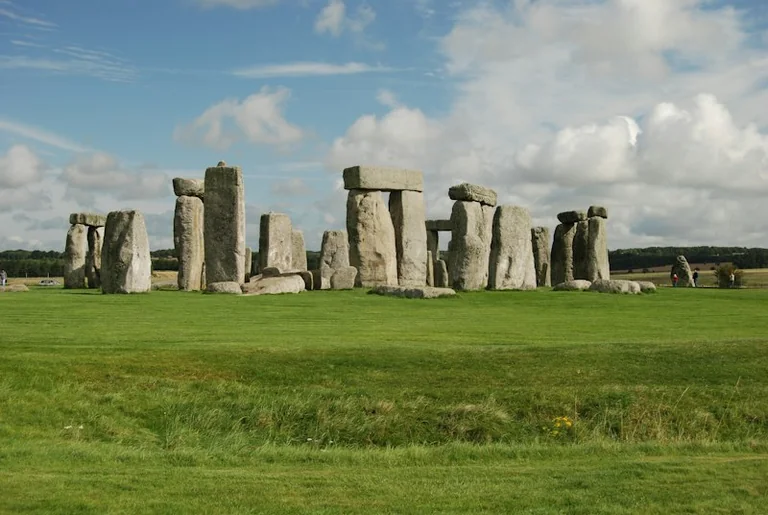
- Harvest Home: Traditional harvest festivals were frequently timed to coincide with the gathering of late-season crops. These communal celebrations provided a necessary period of respite and gratitude before the onset of the darker, colder months.
- Agricultural Planning: The equinox signaled the final window for storing grains and preparing fields for winter sowing. Farmers relied on these seasonal markers to manage the logistics of food security for the coming year.
- Cultural Continuity: Beyond the practicalities of farming, the equinox has long been a focal point for traditions that acknowledge the transition from the abundance of summer to the dormancy of winter, reflecting a deep-seated human connection to the solar cycle.
Observing the Seasonal Transition
As the 2026 date approaches, residents can observe the Earth’s tilt in action through simple, local monitoring. By tracking the exact time of sunset and observing the lengthening of shadows in your local area, you can witness the physical manifestation of the Earth’s orbital movement.
For those interested in the specific mechanics of the event, the Royal Museums Greenwich provides ongoing data regarding solar positioning and seasonal changes. Monitoring these official sources remains the most reliable method for understanding how these astronomical markers influence local weather patterns and the availability of natural light throughout the autumn months.
Source: Royal Museums Greenwich
Context & actions About this article
Source check Seasonal Data Source
The 2026 equinox timing is based on astronomical data provided by the Royal Museums Greenwich.
- Verify the 2026 equinox time via Royal Museums Greenwich
- Consult Met Office seasonal definitions
- Source
- Royal Museums Greenwich
- Scope
- United Kingdom
- Updated
- 2026-09-22 09:12
Source check
Report a trust issue
Send a clear signal to community moderation if the source, facts or context need review.




Comments