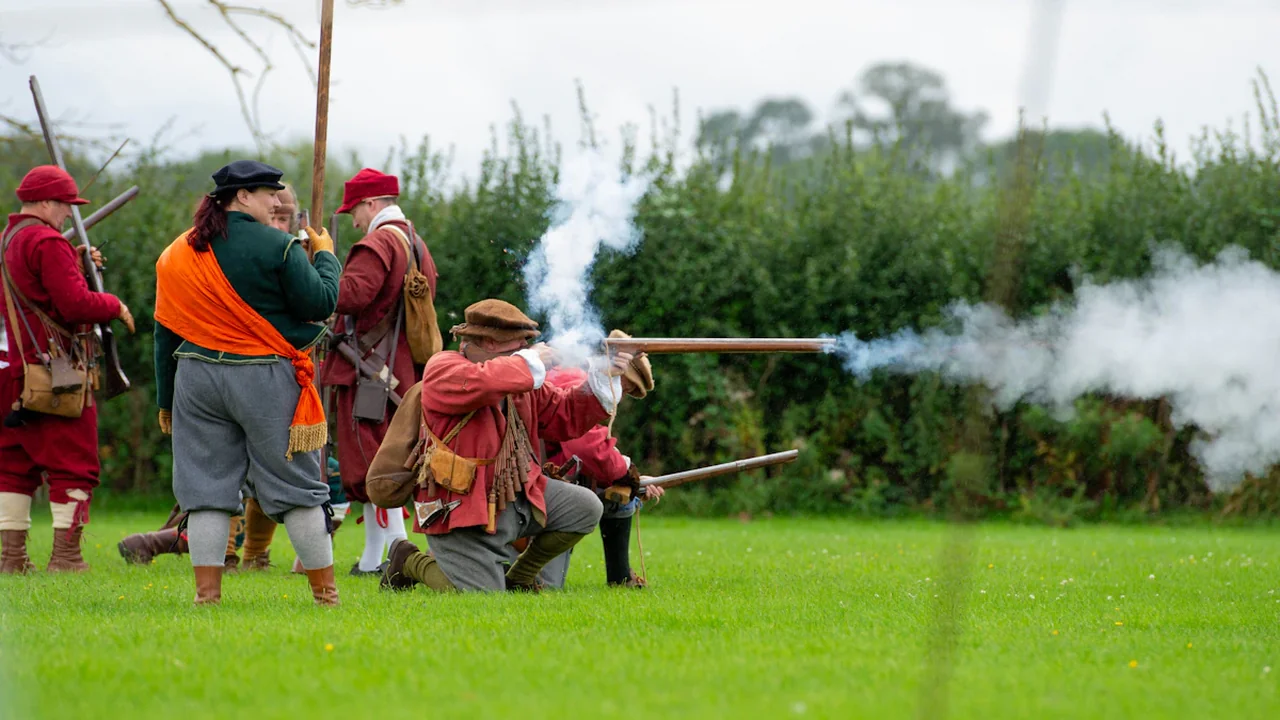
Bonfire Night returns each 5 November, but its flames and fireworks are later customs linked to a documented plot from 1605. Guy Fawkes and other conspirators planned to blow up the House of Lords during the State Opening of Parliament; the plot was discovered before it could be carried out. That distinction helps explain what the date commemorates—and why local celebrations vary.
1605: a plan to blow up the House of Lords
The Gunpowder Plot was a conspiracy to destroy the House of Lords during the State Opening of Parliament. Guy Fawkes is the best-known name associated with it, but he was one of several conspirators. The plan was discovered before the explosion could take place.
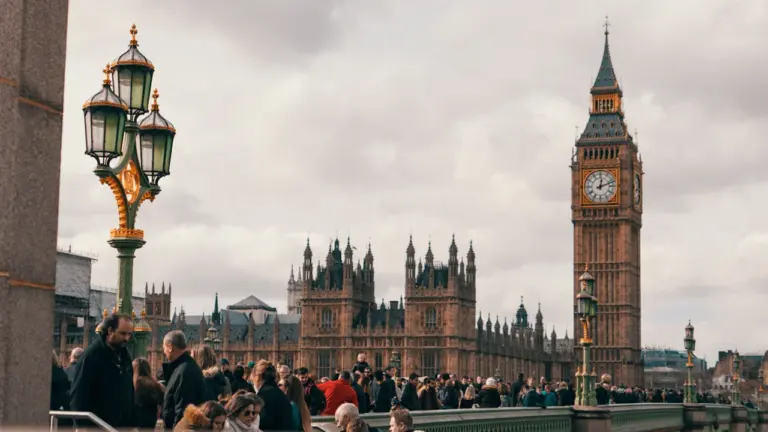
The event was tied to a specific moment in the parliamentary calendar: the State Opening, when the monarch formally opens a session of Parliament. The target was the House of Lords, not a general attack on London. The UK Parliament’s historical account records the central facts of the plot and its discovery.
5 November became a day of commemoration
After the plot was discovered, 5 November became a date for public commemoration. The annual observance developed around remembering the failed attempt against Parliament. The date connects the modern tradition to the discovery in 1605, but it does not mean that every custom seen today was part of the original event.

The historical record establishes the conspiracy and that it was stopped. Bonfires and fireworks belong to the later tradition of marking the anniversary. Over time, the observance took on a seasonal character, with gatherings held around the first week of November.
Bonfires and fireworks are later customs
Today, “Bonfire Night” and “Guy Fawkes Night” are familiar names for 5 November celebrations in Britain. Community events often include a bonfire, fireworks, or both, but the format is not fixed everywhere. Some organisers hold displays on nearby dates, and some places may offer different activities or no public event at all.
The customs should be understood as commemorative traditions that grew around the anniversary, rather than as a direct recreation of the plot. Fireworks are not evidence of what happened in Parliament in 1605; they are part of how later generations have marked the date.
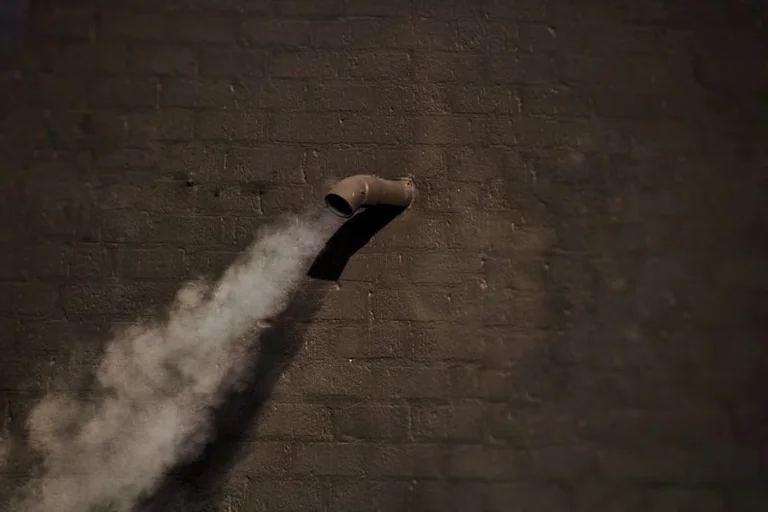
How to check a local Bonfire Night event
If you plan to attend a display, check the organiser’s own event page or the relevant council’s listings for the current year. Confirm the exact date, venue, start time, ticket or entry arrangements, and any access or travel information before setting out. Details can differ between towns and individual events.
A listing from a previous year may not describe this year’s arrangements. If an event is postponed or changed, the organiser’s latest notice is the most useful place to look. The date of the historical commemoration stays fixed, while the schedule for a particular public gathering can vary.
The next annual milestone is 5 November
The enduring link is the date: 5 November recalls the discovery of the 1605 Gunpowder Plot, while bonfires and fireworks reflect customs that developed afterward. For the next celebration, the verifiable milestone is the local organiser’s current-year announcement of whether an event will take place and when.
Source: UK Parliament
Context & actions About this article
Source check Historical context
The account establishes the 1605 plot and its discovery; bonfires and fireworks are described here as later commemorative customs.
- The plot targeted the House of Lords during the State Opening of Parliament.
- The conspiracy was discovered before it could be carried out.
- Local event dates and arrangements should be checked with the current-year organiser.
- Source
- UK Parliament
- Scope
- United Kingdom
- Updated
- 2026-10-28 10:49
Source check
Report a trust issue
Send a clear signal to community moderation if the source, facts or context need review.


Comments