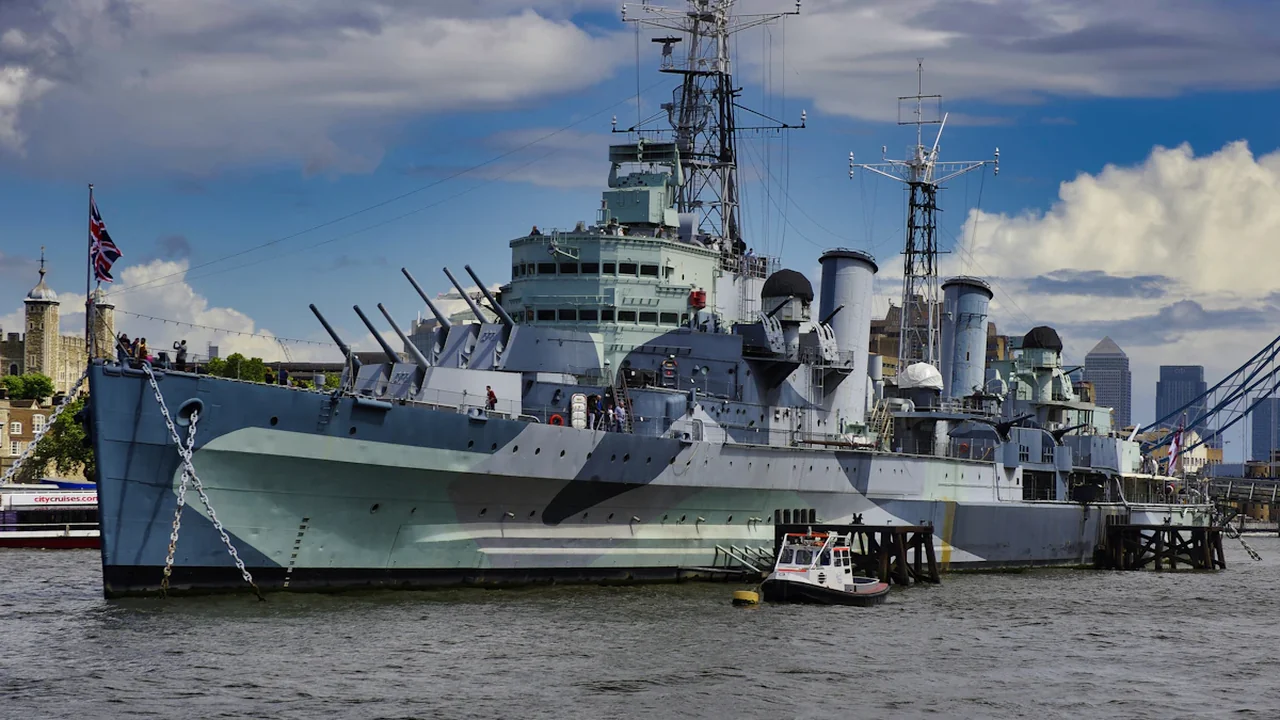
On 21 October 1805, the British fleet commanded by Vice-Admiral Horatio Nelson fought the combined French and Spanish fleets at Trafalgar, off Spain’s south-west coast. Britain won, but Nelson was mortally wounded and died during the battle. The Royal Museums Greenwich account identifies the date, fleets and loss; the battle’s immediate result was a British naval victory, while its place in public memory grew over time.
How the battle unfolded on 21 October 1805
Trafalgar was a major naval engagement of the Napoleonic Wars, the long conflict between France and its opponents that shaped European politics and warfare in the early nineteenth century. The French and Spanish fleets were operating together against the British fleet. The Royal Museums Greenwich account identifies the opposing forces and the date of battle, while the naval action itself became known for Nelson’s attack on the allied line.
Rather than meeting in a simple parallel exchange of broadsides, Nelson’s fleet approached in two columns and cut through the French and Spanish formation. The British ships then engaged at close quarters. That approach brought the fleets into a confused and destructive fight, in which individual ships’ positions and the ability to sustain fire mattered greatly.
The battle’s essential sequence is clear: the fleets met, British ships broke into the allied line, and the British fleet prevailed. Nelson was shot during the fighting. He lived long enough to learn that the British had won, but died before the battle was over. His death and the victory became intertwined in later accounts, though they are separate facts: one was a personal loss, the other the fleet’s military outcome.
Trafalgar’s place in the Napoleonic Wars
The battle took place during a wider struggle between Napoleonic France and the powers aligned against it. At the time, Britain’s navy helped protect the country from invasion and kept maritime routes open. Trafalgar strengthened British command at sea, making it harder for France to challenge the Royal Navy directly in the years that followed.
The result did not end the Napoleonic Wars, which continued for another decade. Nor did one victory settle every question of European power. Trafalgar’s importance lies more specifically in its effect on naval balance: the combined French and Spanish fleet had suffered a decisive defeat, and Britain remained the dominant naval power. The victory reduced the immediate prospect of a cross-Channel invasion, but the broader war continued on land and at sea.
The Royal Museums Greenwich account provides a useful anchor for the event’s date, the fleets involved and Nelson’s death. Those details describe what happened on the day. Claims about the battle’s lasting strategic importance belong to the wider history of the Napoleonic Wars and should not be mistaken for an immediate end to the conflict.
What the victory changed—and what it did not
In the immediate military sense, the British fleet defeated the French and Spanish force at Trafalgar. The allied fleet lost ships and its ability to mount a comparable challenge at sea was badly weakened. Britain’s naval superiority was reinforced, supporting its security and maritime reach during the continuing war.
The victory did not mean that Britain had defeated France outright. Napoleon’s power on the European continent remained formidable, and the war’s outcome was still years away. Trafalgar was a decisive naval engagement with long-term consequences for sea power, not a single battle that ended the Napoleonic Wars.
That distinction helps explain why Trafalgar appears both in military histories and in British national memory. The fleet’s victory was a strategic event; Nelson’s death gave the story a central figure and a personal dimension. Later commemoration emphasized courage, sacrifice and naval identity, building a public tradition beyond the immediate record of ships and casualties.
Why Britain remembers Trafalgar Day
Trafalgar Day is observed on 21 October, the anniversary of the battle. Commemorations remember the British victory and Nelson, who died during it. The date has been marked by naval and civic traditions, including ceremonies and remembrance events, though the form and scale of observance can vary from year to year and place to place.
The anniversary reflects a later interpretation of Trafalgar, not simply a replay of the battle’s military facts. Nelson became a national hero, and the victory was used to express Britain’s connection to naval service and maritime power. Recognizing that later memory alongside the battlefield record makes it possible to understand both why the event mattered in 1805 and why it still appears in public commemorations.
The next verifiable milestone is the anniversary itself: 21 October marks the date of the 1805 battle and the annual occasion on which Trafalgar is remembered.
Source: Royal Museums Greenwich
Context & actions About this article
Source check Historical source
Royal Museums Greenwich identifies the battle date, the fleets involved and Nelson’s death; broader strategic context is presented separately from those immediate facts.
- Battle date: 21 October 1805
- British fleet fought the combined French and Spanish fleets
- Nelson was killed during the battle
- Source
- Royal Museums Greenwich
- Scope
- United Kingdom
- Updated
- 2026-10-21 09:05
Source check
Report a trust issue
Send a clear signal to community moderation if the source, facts or context need review.



Comments