
A weekly UK fuel average can help you estimate what a tank might cost, but it cannot tell you the price at your nearest pump. The Department for Energy Security and Net Zero (DESNZ) updated its weekly road-fuel publication on 6 October 2026, reporting averages for the week commencing 5 October. Check a station’s current price before setting a household transport budget or making a special trip.
What the 5 October weekly figures can tell you
DESNZ publishes average UK retail pump prices for petrol and diesel each week. These figures give drivers a national benchmark: a way to track the broad cost of fuel and compare it with another week’s published data.
An average is not a live quote. It combines prices across the country, while the amount charged at an individual forecourt can differ. The figures also describe a particular week, rather than guaranteeing what a driver will pay later in the week or on a future visit.
The available release information confirms the publication date and the week covered, but does not provide the petrol and diesel values themselves. Without those figures, a numerical comparison between the two fuels—or a claim that either rose or fell—would be unsupported. Check the DESNZ table for both prices before using it as a dated benchmark.
Turn a pump price into a fill-up budget
Once you have a price in pence per litre and know roughly how many litres you plan to buy, the calculation is simple:
Litres purchased × pence per litre ÷ 100 = pounds spent
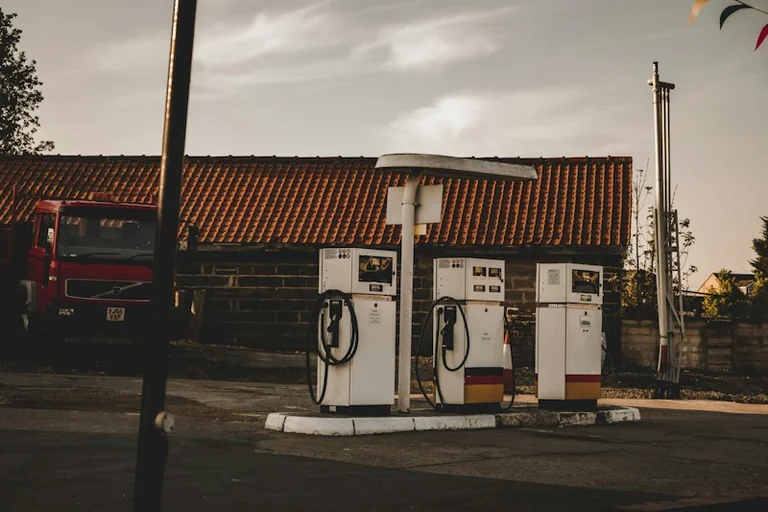
For example, if the price shown at a station is P pence per litre and you buy 50 litres, the cost is 50 × P ÷ 100 pounds. Substitute the price displayed at the pump; the weekly UK average can be a reference, but it may not match that price.
A clearly hypothetical comparison shows how to judge a small gap between stations: a difference of 5p per litre across 50 litres amounts to 50 × 5 ÷ 100, or £2.50. That is a worked example, not a claim about current UK prices.
Check whether a cheaper pump is worth the detour
A lower price per litre does not automatically mean a cheaper trip. Estimate the saving on the litres you expect to buy, then weigh it against the extra distance, fuel used and time involved. If the detour adds cost, it can reduce or wipe out the difference.
The same calculation helps when comparing a top-up with a fuller tank. Use the litres you will actually buy, rather than assuming every visit involves 50 litres. A smaller purchase means the same per-litre gap saves less overall.
Before setting off, check a current local price and confirm the station is open and convenient for your route. For a national comparison, use DESNZ’s weekly figures for the stated week. The next useful check is the published petrol and diesel values for the week commencing 5 October, alongside the prices at stations you could realistically visit.
Source: Department for Energy Security and Net Zero
Context & actions About this article
Source check Source
DESNZ publishes UK average retail pump prices weekly; the 6 October 2026 release covers the week commencing 5 October.
- Publication updated 6 October 2026
- Prices refer to the week commencing 5 October 2026
- Check the dataset for the petrol and diesel values
- Source
- Department for Energy Security and Net Zero
- Scope
- United Kingdom
- Updated
- 2026-10-08 13:24
Source check
Report a trust issue
Send a clear signal to community moderation if the source, facts or context need review.


Comments