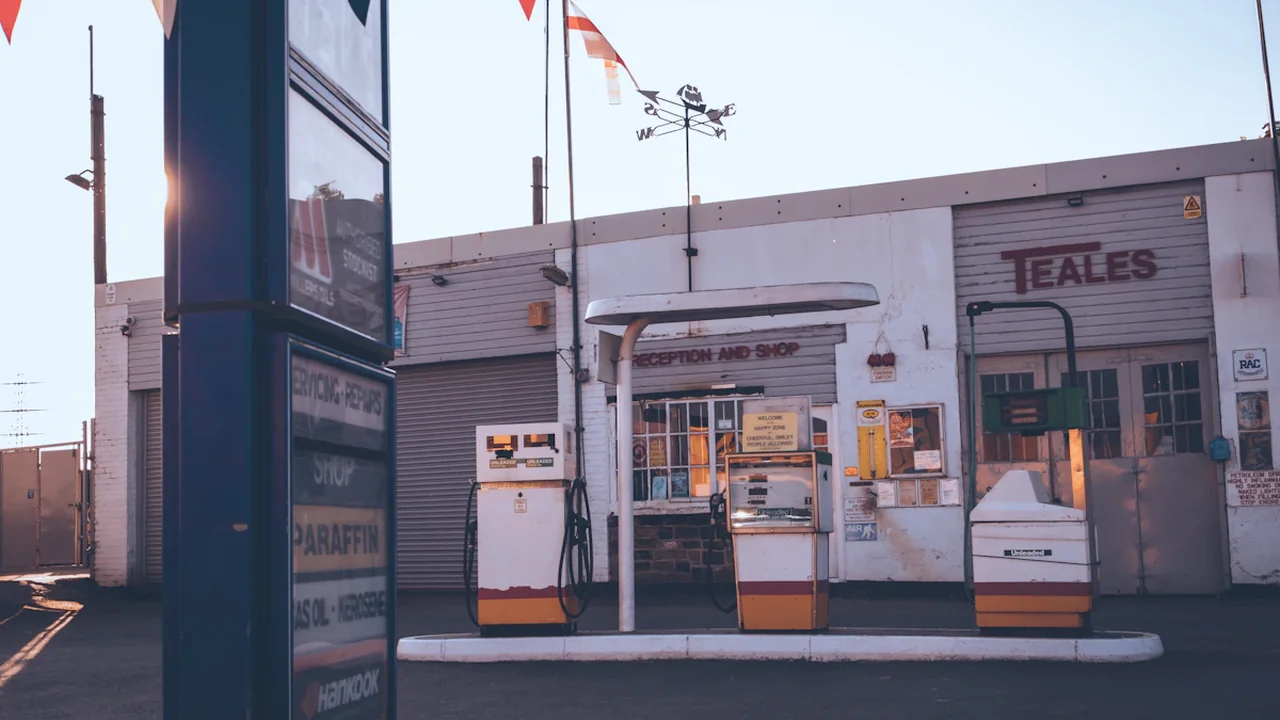
Fuel prices across the UK fluctuate significantly depending on where you fill up, the type of retailer, and your payment method. For motorists, understanding these variations is the essential first step in managing monthly transport budgets effectively. By using data transparency tools and monitoring regional trends, drivers can identify consistent savings rather than relying on the nearest available pump.
Why Advertised Prices Vary
Fuel retailers set their own prices based on local competition, logistics, and operating costs. You will often notice that motorway service stations carry a significant premium compared to supermarkets or independent stations located in urban areas. The Competition and Markets Authority (CMA) provides resources for tracking fuel-price transparency, which helps highlight how regional variances impact the cost of a full tank.
It is important to note that advertised prices may not always reflect current stock or specific payment methods. Some retailers offer lower prices for loyalty card members or specific payment apps, which can create a discrepancy between the price displayed on the roadside sign and the final amount charged at the pump. Always verify the final price at the point of payment.
Calculating Your Cost Per Mile
Rather than focusing solely on the price per litre, calculate your actual cost per mile to understand the real impact on your household budget. This metric provides a more accurate reflection of your spending than the headline price on a digital sign.
| Metric | Action for Drivers |
|---|---|
| Track Distance | Record mileage between full tank fill-ups. |
| Monitor Efficiency | Use your vehicle’s trip computer for MPG data. |
| Compare Trends | Use RAC fuel-watch data to track national shifts. |
| Check Local Rates | Compare national averages against local stations. |
To calculate your cost per mile, divide the total cost of your fuel purchase by the distance covered since your last fill-up. This helps you identify whether a slightly more expensive station that is closer to your home or work might actually be more cost-effective than driving further to a cheaper, but more distant, retailer.
Practical Steps to Reduce Costs
To get the most value, avoid filling up at motorway service stations unless absolutely necessary. Supermarket fuel stations often provide competitive pricing, though it is important to verify availability through real-time apps or local signage before making a detour.
What Readers Need to Know
When using fuel-price monitoring tools, remember that these figures represent averages. They do not guarantee the price you will pay at a specific pump at a specific time. Use these tools to identify broader trends and retailer patterns rather than expecting them to act as a live, site-specific price guarantee. Always check your local station’s signage upon arrival, as local competition can trigger rapid, unannounced price changes that may not yet be reflected in national datasets.
Source: UK Government
Context & actions About this article
Source check Fuel Price Transparency
This guide uses data frameworks from the CMA and RAC to help drivers navigate variable fuel costs.
- Check the latest RAC Fuel Watch for national average trends
- Verify local station prices via government-linked transparency tools
- Source
- UK Government Road Fuel Price Transparency
- Scope
- United Kingdom
- Updated
- 2026-09-22 09:02
Source check
Report a trust issue
Send a clear signal to community moderation if the source, facts or context need review.



Comments