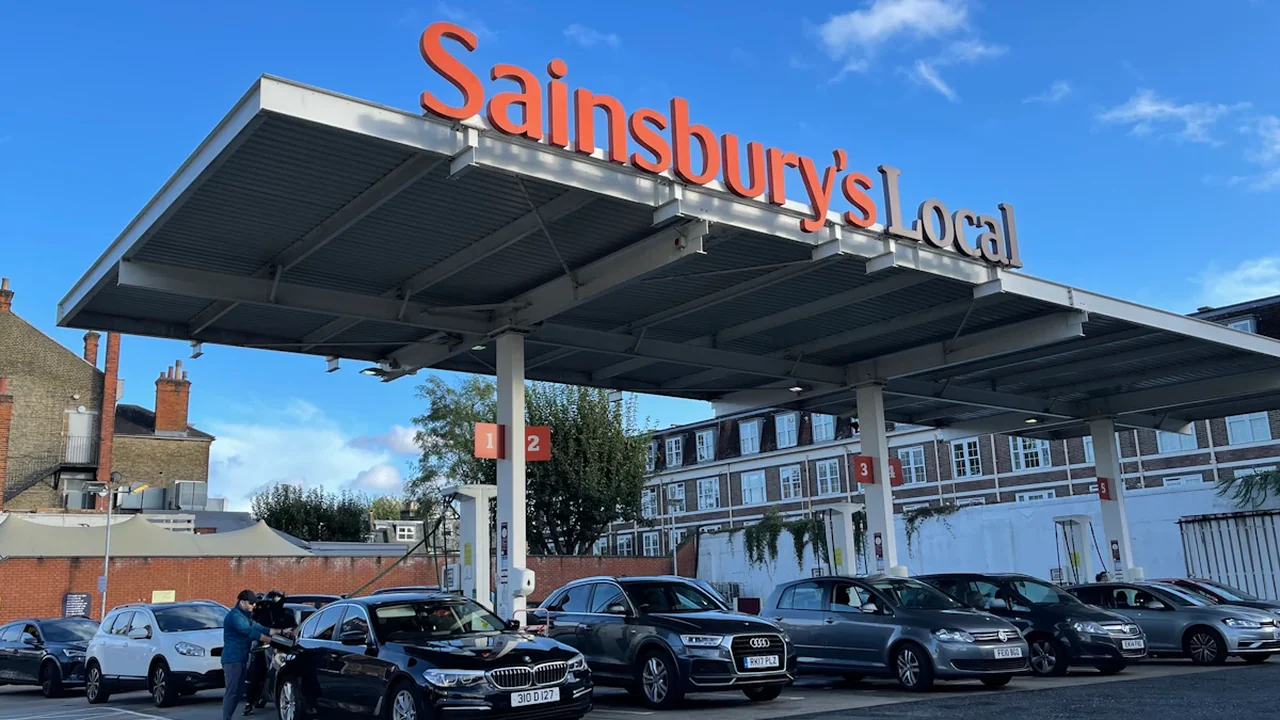
A pump price that is 5p per litre lower saves £2.50 on a 50-litre fill-up. For UK drivers, the question is whether reaching that pump costs less than £2.50 in extra fuel and time. Check the prices at the stations you can actually use, then count only the extra distance and time the cheaper one adds to your journey.
By the AtheneNet editorial team | 5 October 2026
Use the weekly UK figures as a reference, not a local quote
The UK Department for Energy Security and Net Zero publishes a weekly road fuel price series. It is the national reference for petrol and diesel prices. The material available confirms the series exists but contains no latest numerical reading, so it does not support a verified national price for 5 October 2026.
Before using a weekly figure to judge a local offer, check the latest dated release on that page and select the correct fuel. A national average describes prices across the UK; it cannot tell you what a particular forecourt charges. The price on the pump when you arrive determines your bill, and a station may change its price between your comparison and your visit.
The weekly series is useful for context, especially when a displayed price seems unusually high or low. It does not turn an older observation into today’s price or establish that a nearby station will match the national figure.
Calculate the fill-up before comparing stations
Multiply the litres you expect to buy by the pump price in pounds per litre. If the sign shows pence per litre, divide that number by 100 first. For example, 50 litres at a hypothetical 145p per litre costs £72.50: 50 × £1.45. At a hypothetical 140p, the same fill-up costs £70.00.
The difference is £2.50, but only if you buy all 50 litres at the cheaper station. If you need just 20 litres, a 5p difference saves £1.00. Tank capacity is a poor substitute for the amount you will actually put in, particularly if you are topping up.
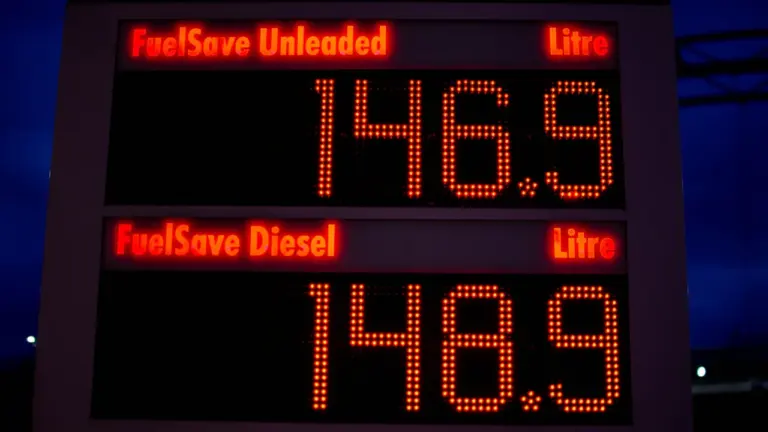
Compare like with like: petrol with petrol, or diesel with diesel. Use the price for the fuel grade your vehicle needs. If you have a station’s current advertised price, treat it as a useful comparison and confirm the displayed pump price before filling.
Put the extra miles and minutes into the comparison
First work out the additional round-trip distance to the cheaper station. Count the miles beyond the route you would otherwise drive, rather than the station’s distance from your home. A forecourt directly on your planned route may add almost no mileage; a station that requires a separate trip may add much more.
Here is a worked example using assumptions, not reported UK pump prices. Suppose the cheaper station saves 5p per litre on a 50-litre purchase, but reaching it adds eight miles. At 45 miles per imperial gallon, those miles use about 0.81 litres: 8 ÷ 45 × 4.546. At an assumed 145p per litre, the extra fuel costs about £1.17. The £2.50 pump saving falls to about £1.33 before allowing for time.
If the detour also takes 12 extra minutes, the decision depends on what that time is worth to you. At an illustrative £10 per hour, 12 minutes amounts to £2.00. On those assumptions, the cheaper pump leaves you about 67p worse off once fuel and time are counted. If the station is already on your route, the result can change sharply.
Your vehicle’s real fuel economy, traffic and the number of litres purchased will change the calculation. The quickest next check is the two stations’ current pump prices alongside the extra miles your route would require.
Source: UK Department for Energy Security and Net Zero
Context & actions About this article
Source check Prices and calculations
The government publishes weekly UK fuel prices; the fill-up and detour figures here are worked examples, not current pump-price claims.
- Check the latest dated petrol or diesel figure in the government series.
- Confirm each station’s displayed pump price before filling.
- Use the litres you expect to buy and the extra round-trip miles.
- Source
- UK Department for Energy Security and Net Zero weekly road fuel prices
- Scope
- United Kingdom
- Updated
- 2026-10-05 09:38
Source check
Report a trust issue
Send a clear signal to community moderation if the source, facts or context need review.



Comments