
Comparing nearby petrol and diesel prices can lower the cost of a fill-up, but the cheapest pump price does not always mean the cheapest trip. Check current local prices, look at when they were recorded, and weigh any extra driving against the amount of fuel you plan to buy.
Check current prices near your route
Use a current local fuel-price service or app to compare forecourts around home, work or a journey you already plan to make. Search for the fuel type your vehicle uses: petrol and diesel prices can differ considerably, even at nearby stations.
The Department for Energy Security and Net Zero publishes official UK road fuel price statistics. Those statistics provide market context, but they are not a live quote for a particular forecourt. For a local decision, compare station-level prices and check the time and date attached to each listing. For broader context on UK fuel price trends, national price movements can help explain changes at the pump.
Before setting off, check whether the station is open and whether the listed price still appears current. If a price has no timestamp, or was recorded some time ago, treat it as a guide rather than a guarantee. The price on the pump when you arrive is the one that applies.
Work out whether the detour pays
A lower price per litre saves money only on the fuel you buy. Extra distance uses fuel too, and may add time or involve traffic, parking or a diversion from your route.
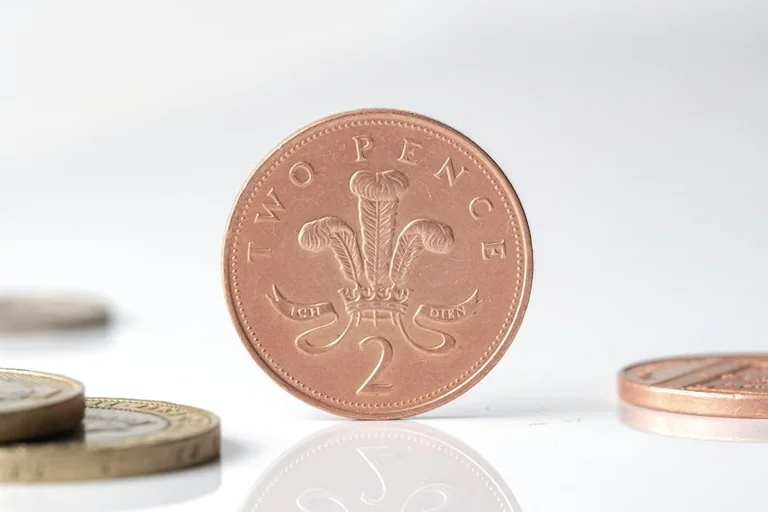
A simple estimate can help:
- Find the price difference per litre between the stations.
- Multiply that difference by the litres you expect to buy.
- Estimate the detour’s fuel use from its extra distance and your vehicle’s typical efficiency.
- Multiply the detour fuel use by the price per litre at the cheaper station.
- Compare the estimated saving with the detour cost.
For example, if one station is 4p per litre cheaper and you buy 40 litres, the pump-price saving is £1.60. If reaching it and returning adds 10 miles, a car averaging 40 miles per gallon would use about a quarter of a gallon on that extra distance—roughly 1.1 litres. At around £1.50 per litre, that fuel would cost about £1.65, before accounting for time or other route costs. In that illustration, the detour would erase the price saving.
These are estimates, not a guarantee of what a particular vehicle will use. Traffic, speed, hills, load, weather and driving style affect efficiency. Use your own vehicle’s usual consumption if you know it, and count only the extra distance caused by the stop.
Match the saving to the amount you need
A price gap matters more when you are buying more litres. If you only need a small top-up, even a noticeable difference per litre may save less than the cost of an extra journey. A nearly empty tank can make a larger fill-up more likely to benefit, but do not buy more than you need just to chase a discount.

It can be convenient to compare prices when you are already travelling past several stations. A slightly cheaper forecourt on your normal route may be worthwhile because it adds little or no distance. A cheaper station several miles away needs a stronger price difference or a larger fill-up to make the numbers work.
Check timestamps and compare like with like
Local listings can become stale as forecourt prices change. Check the timestamp before relying on a displayed figure, then confirm the price at the station if the saving would affect your route choice. A listing without a recent update should not be treated as a promise that the pump price is unchanged.
Compare the same fuel grade and type, and make sure the figures use the same unit, usually pence per litre. If a service shows several nearby stations, check their locations against your actual route rather than assuming the closest price is easiest to reach. Motorway services, for example, may require a different exit or add more distance than a map glance suggests.
The government’s road fuel price statistics can help explain broader movements in UK petrol and diesel prices. They do not establish what you will pay at a specific local pump today, so avoid using a national figure as a substitute for checking a current station listing.
Make a quick decision before you turn off
For a practical comparison, note the cheaper station’s price, timestamp, extra round-trip distance and how many litres you expect to buy. If the estimated saving is small, choose a forecourt on your existing route or check again on a later journey. Recheck the listing before making a special trip, because both the price and the route conditions may have changed.
Source: Department for Energy Security and Net Zero
Context & actions About this article
Source check Price-checking note
Official UK statistics provide market context, while local listings and their timestamps are more useful for comparing nearby forecourts.
- Check the listing timestamp and fuel type.
- Confirm the price at the pump.
- Include extra distance and expected litres in the comparison.
- Source
- Department for Energy Security and Net Zero
- Scope
- United Kingdom
- Updated
- 2026-10-09 08:24
Source check
Report a trust issue
Send a clear signal to community moderation if the source, facts or context need review.


Comments