
A new Ofgem energy price cap period begins on 1 October 2026. If your home in Great Britain is on a standard variable tariff, check the unit rates and standing charges your supplier will apply from that date. Your bill will still depend on how much energy you use.
Which households are covered by the cap?
The cap applies to domestic customers in Great Britain on standard variable tariffs, including those who pay by direct debit, standard credit or prepayment meter. It does not set the price of a fixed tariff while that tariff’s agreed rates remain in force. Northern Ireland has a separate energy market.
Check your latest bill or online account for your tariff name. If you are unsure whether it is a standard variable tariff, ask your supplier. If a fixed deal is ending, check the tariff and rates you will move to before comparing them with the October cap.
Why the cap is not a maximum bill
Ofgem limits the amount suppliers can charge covered customers for each unit of gas and electricity, as well as the daily standing charges. The standing charge is payable even on days when little or no energy is used. Your total bill combines those charges with the units you consume.
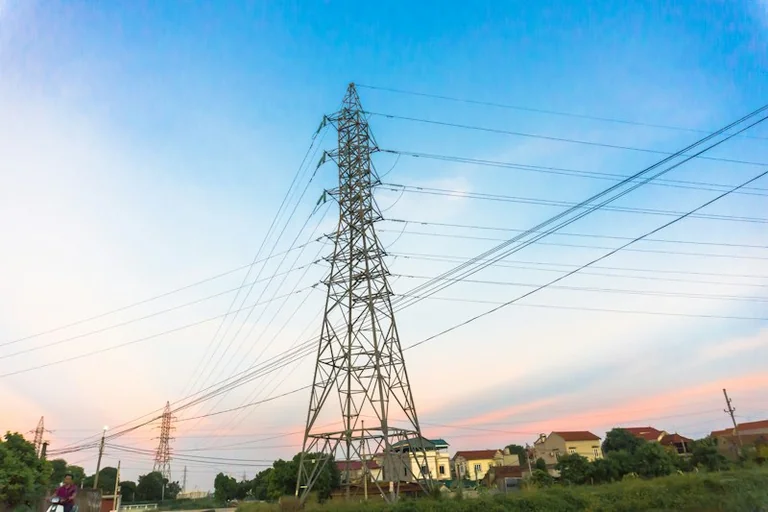
A household using more energy will generally pay more than one using less, even when both are on capped tariffs. The cap is often illustrated with an annual cost for a household using a specified amount of energy; that illustration is not a ceiling on any individual household’s bill. Rates can also differ by region, fuel, payment method and meter type.
What to compare on your October bill
- Find your supplier’s electricity and gas unit rates and daily standing charges effective from 1 October. Compare them with the rates on your current tariff, checking that the payment method and region match.
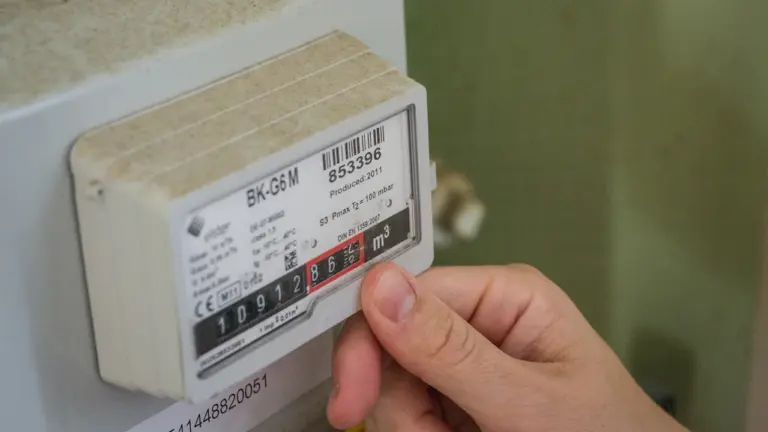
- Submit a meter reading close to the changeover date if you do not have a working smart meter. Keep a record so usage can be allocated to the correct billing period.
- Check the opening and closing readings, the number of units charged at each rate, and whether any reading is estimated. Ask your supplier to correct a bill if its readings or tariff details are wrong.
For the published cap and an explanation of who it covers, see Ofgem’s energy price cap page. Use your supplier’s rates and your own meter readings to work out what the October change means for your household.
Source: Ofgem
Context & actions About this article
Source check Source and bill check
Ofgem explains the cap's coverage and capped charges; your supplier's rates and your meter readings determine your bill.
- Check Ofgem's published cap for the period beginning 1 October 2026.
- Compare your supplier's new unit rates and standing charges with your tariff.
- Check actual meter readings against any estimates on your bill.
- Source
- Ofgem energy price cap
- Scope
- Great Britain
- Updated
- 2026-09-30 11:58
Source check
Report a trust issue
Send a clear signal to community moderation if the source, facts or context need review.

Comments