By AtheneNet | 28 September 2026
Households on default energy tariffs in England, Scotland and Wales face a higher price cap from 1 October 2026. Ofgem’s annual illustration for a typical household paying by Direct Debit rises from £1,663 to £1,723 for the October to December cap period. Check your tariff and your supplier’s new rates before the changeover. A separate change removes VAT from household electricity bills, including bills on fixed tariffs.
Who is affected by the new price cap?
The October price cap limits the unit rates and standing charges suppliers can apply to default tariffs. It does not set a maximum for your total bill: what you pay still depends on how much gas and electricity you use, where you live and how you pay. Ofgem says rates vary by region and payment method.
Read also: Ofgem’s January 2027 price cap: Will it fall?
If you are on a fixed tariff, the cap rise does not change the rates fixed by your agreement. Check its end date and terms before comparing it with a new offer. The government says the electricity VAT removal from 1 October applies to fixed tariffs too. It estimates average savings of £45 a year, but your saving will depend on your electricity use and price. Keep that estimate separate from the cap’s typical-household figure.
Compare electricity and gas rates separately
Find your tariff name on a recent bill, in your supplier’s app or in your online account. Look for “default”, “standard variable” or a fixed tariff name and end date. Your supplier should show the unit rate, charged per kilowatt-hour (kWh), and the daily standing charge for each fuel.
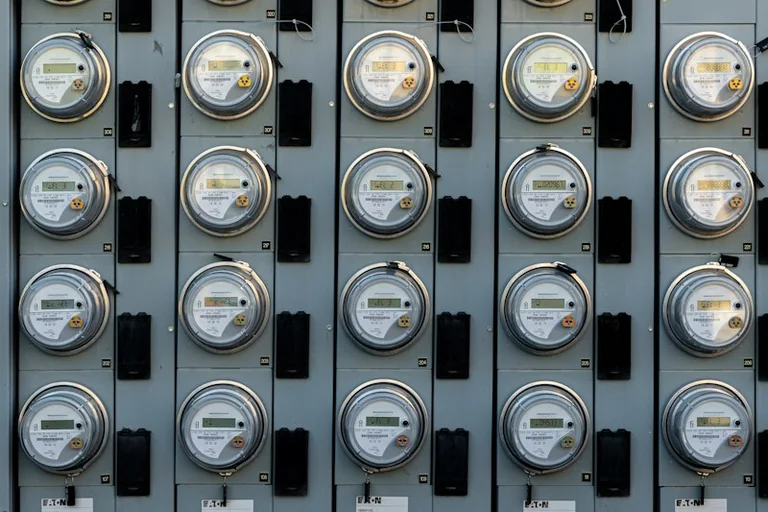
When comparing your supplier’s rates from 1 October with a fixed-rate offer, check:
- The electricity unit rate and standing charge, including how the VAT change is reflected.
- The gas unit rate and standing charge; the announced VAT removal concerns household electricity bills.
- The offer’s fixed term, any exit fee and whether its quoted rates match your region and payment method.
A lower unit rate may be offset by a higher standing charge. Use your own recent kWh figures to estimate the difference over the time you expect to stay on the tariff. Ofgem publishes the October to December cap rates and standing charges, but your supplier’s tariff information is the figure to check against any offer made to you.
Take a meter reading at the changeover
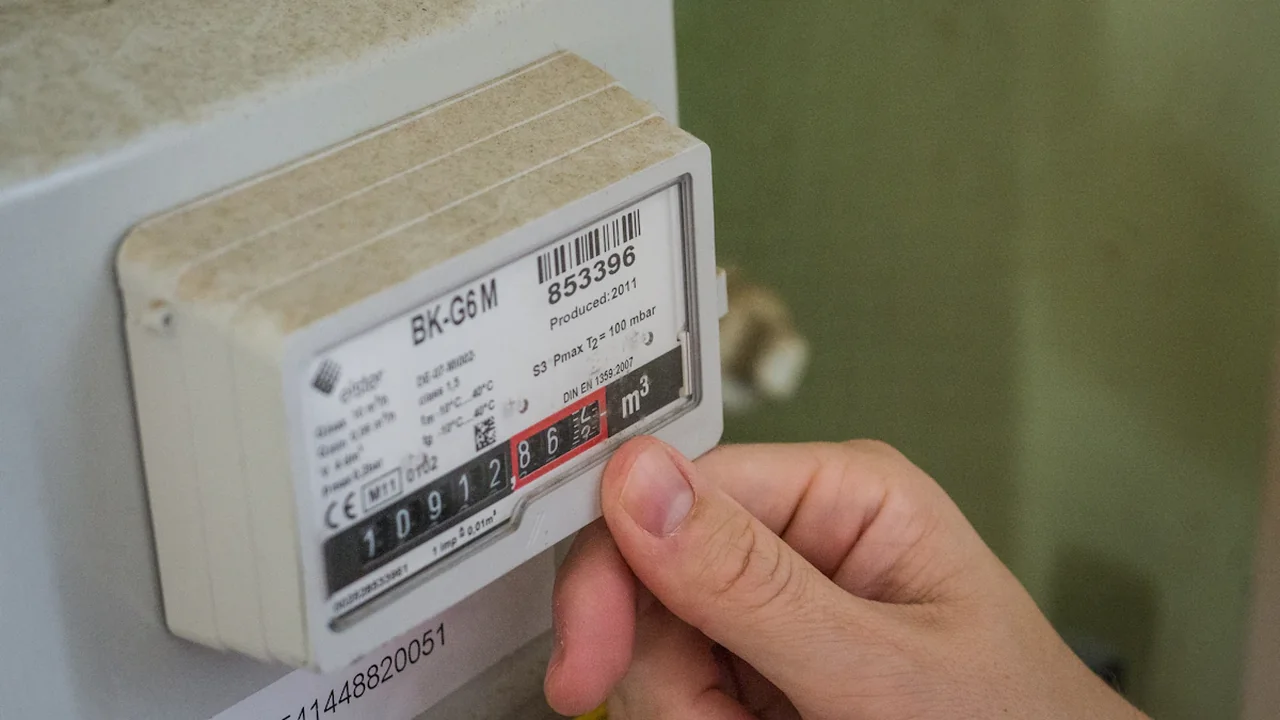
Submit a reading for each meter around 1 October, or check that your smart meter has sent one. Save a dated photo or confirmation. A reading helps your supplier divide usage between the old and new rates. If you cannot submit it on the day, send one as close to the changeover as you can and check the next bill for estimated readings and the rates applied to electricity and gas.
Source: Ofgem
Context & actions About this article
Source check Sources
Ofgem provides the price cap figures and regional rates; the UK government provides the electricity VAT announcement.
- Ofgem’s cap illustration is for a typical Direct Debit household in England, Scotland and...
- Ofgem says the cap rise does not affect households on fixed tariffs.
- The government says electricity VAT removal applies to fixed tariffs.
- Source
- Ofgem price cap announcement
- Scope
- United Kingdom
- Updated
- 2026-09-29 10:10
Source check
Report a trust issue
Send a clear signal to community moderation if the source, facts or context need review.



Comments