
Ofgem has confirmed the energy price cap for the period beginning October 1, 2026. Households on tariffs covered by the cap should check their supplier’s new electricity and gas rates, then review whether their monthly direct debit reflects expected winter use.
By AtheneNet Editorial Team · September 12, 2026
The confirmation attributed to Ofgem does not include the new cap amount, the percentage change or the individual rates. That means an exact annual increase or saving cannot be reported here. Do not assume your payment will change by a particular percentage until you have the figures for your tariff.
What the October 1 cap means for your bill
The price cap concerns eligible household tariffs in England, Scotland and Wales. Northern Ireland has a separate energy market. An existing fixed tariff generally follows its agreed terms until it expires.
The cap limits applicable unit rates and standing charges; it does not limit your total bill. Your costs depend on consumption, region, payment method and tariff. Any headline annual figure represents a household using a specified amount of energy, rather than a guaranteed bill for every home.
| Bill component | What to check for October |
|---|---|
| Electricity unit rate | The new price per kWh on your tariff |
| Gas unit rate | The new price per kWh, if applicable |
| Standing charges | The daily charge for each fuel |
| Monthly direct debit | The usage estimate and account balance behind it |
Why your direct debit may change differently
A direct debit is a payment towards your energy costs. Suppliers may also account for credit, debt and estimated annual consumption when setting it, so a cap change does not necessarily produce an identical percentage change in your monthly payment.

If a revised payment looks too high or too low, ask your supplier for the calculation. Compare its consumption estimate with recent meter readings and your previous annual usage.
Before October 1: record readings and compare fixed offers
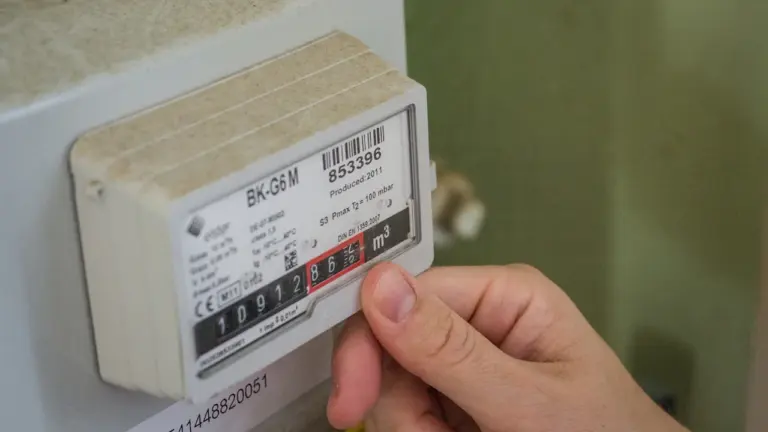
Take and submit meter readings around September 30, following your supplier’s instructions, and keep dated photographs. This helps distinguish consumption before and after the rate change. If your smart meter sends readings automatically, check that your supplier is receiving them.
A fixed tariff can provide certainty about rates, but it does not guarantee lower bills or fix how much energy you use. Compare estimated annual costs using the same consumption figures, including standing charges, exit fees and contract length.
Before changing tariff or adjusting your budget, check your supplier’s October rate notice against Ofgem’s published cap details and confirm when any revised direct debit will begin.
Frequently Asked Questions
Does the October 2026 energy price cap tell me what I will pay this winter?
No. The cap limits applicable energy rates, rather than your total spending. To budget for winter, you need your tariff’s October unit rates and standing charges, plus an estimate of your consumption. The article does not provide the new rates or cap amount, so it cannot establish an exact increase or saving for your household.
How do I work out my energy budget using the new October rates?
Find your supplier’s October tariff notice and last winter’s usage in kWh. For each fuel, calculate usage × unit rate, then add daily standing charge × number of days. Divide prices quoted in pence by 100 to get pounds. Use the same consumption figures with your old rates to isolate the price change. Adjust your winter estimate if your heating habits or household size have changed.
What if my new direct debit is more than my household can afford?
Ask your supplier to explain the proposed payment, including its annual usage estimate and any credit or debt included. Provide a current meter reading if the calculation relies on estimates, and request a review if the figures do not match your circumstances. If the calculation is accurate but unaffordable, ask about payment arrangements and available support. Simply reducing the payment will not reduce the energy charges you incur.
What should I check before October 1, and where can I find the confirmed figures?
Check Ofgem’s official website for the cap announcement and your supplier’s notice for the rates that apply to your home. Confirm the tariff name, payment method and effective date before updating your budget. If your fixed deal expires soon, check its end date and the proposed replacement rates. Keep a dated meter reading around the changeover, then review your first bill covering October for the correct rates and readings.
Source: Ofgem
Context & actions About this article
Source check Source and coverage
The supplied Ofgem confirmation identifies October 1, 2026 as the start date but provides no cap amount, percentage change or tariff rates.
- The supplied source entry is dated September 12, 2026.
- No numerical increase, decrease or annual bill estimate is asserted.
- The article distinguishes Great Britain’s price cap from Northern Ireland’s separate marke...
- Source
- Ofgem
- Scope
- United Kingdom
- Updated
- 2026-09-12 10:51
Source check
Report a trust issue
Send a clear signal to community moderation if the source, facts or context need review.



Comments