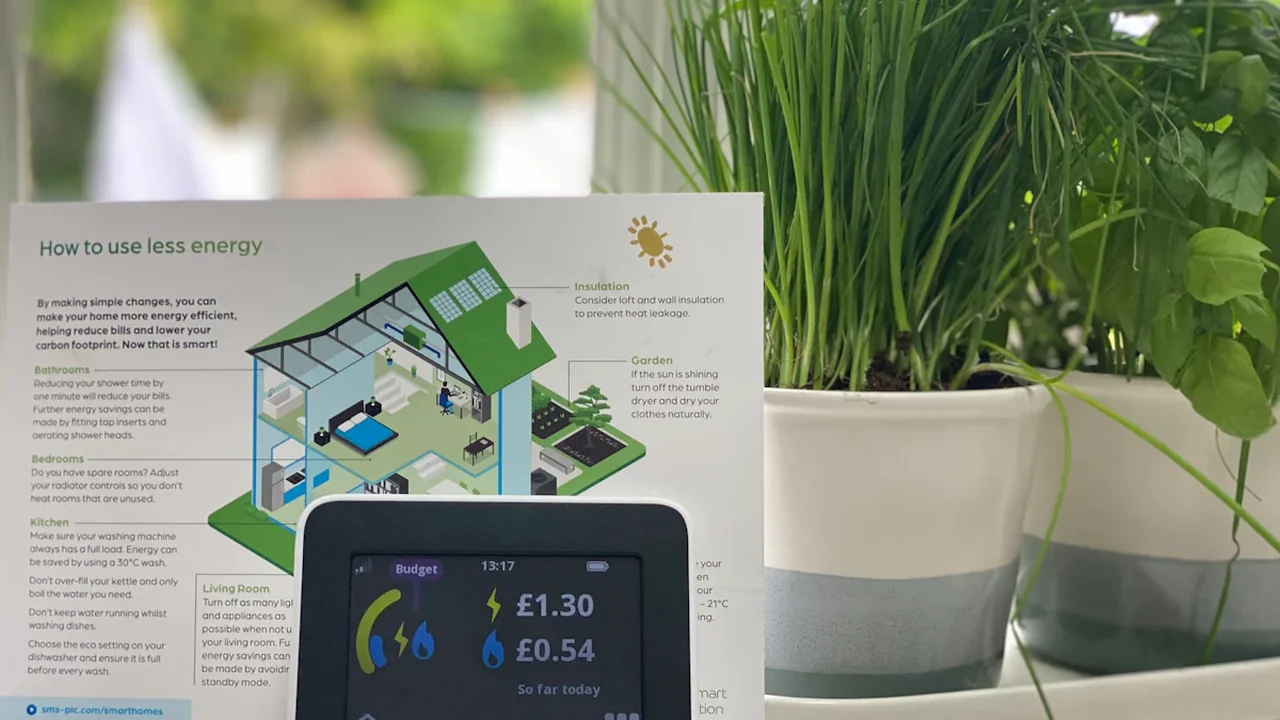
UK households should review their latest energy bill before colder weather increases heating use. Ofgem’s energy price cap limits the unit rates and standing charges suppliers can charge on many default tariffs, but it does not set a maximum total bill. Your costs can still rise if your household uses more gas or electricity.
The next price-cap change may alter rates, but households should wait for Ofgem to confirm any new figures. In the meantime, checking the tariff details on your bill can make a future change easier to understand.
How the Ofgem price cap affects a household bill
The cap applies to customers on eligible default tariffs, including many standard variable tariffs. It limits the price a supplier can charge per unit of energy and the daily standing charge, subject to regional and payment-method differences.
That means a lower cap does not automatically mean a lower direct debit or final bill. A household that turns on heating more often during autumn and winter may use enough additional energy for its overall costs to increase.
Your bill is shaped by two main charges:
- Unit rate: the price paid for each unit of gas or electricity used.
- Standing charge: a fixed daily amount paid for keeping the property connected to the energy network.
Ofgem explains that the cap limits rates, rather than placing a ceiling on the total amount a household can pay.
Four details to compare on your latest bill
Before the next cap period, keep a copy of a recent bill or online statement and check these details:
- Tariff name: Find out whether you are on a default tariff, fixed tariff or another deal. Fixed tariffs may not follow the cap in the same way.
- Payment method: Direct debit, prepayment and paying after receiving a bill can have different rates and charges.
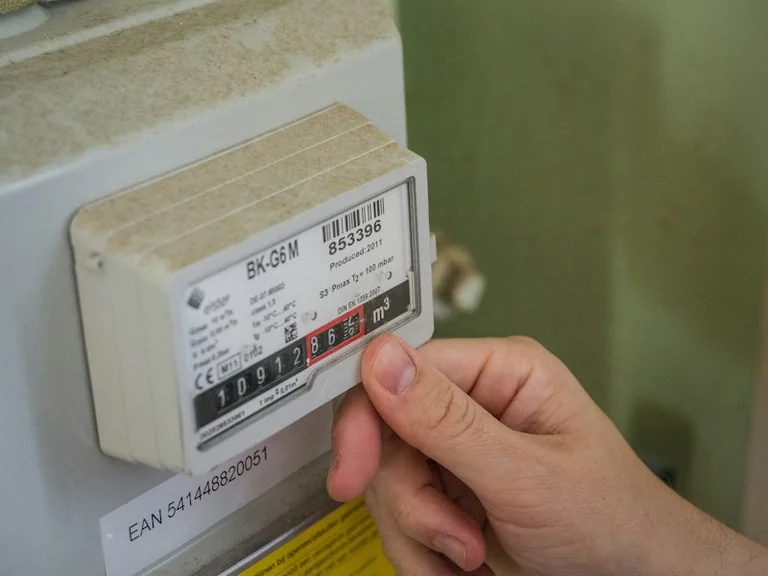
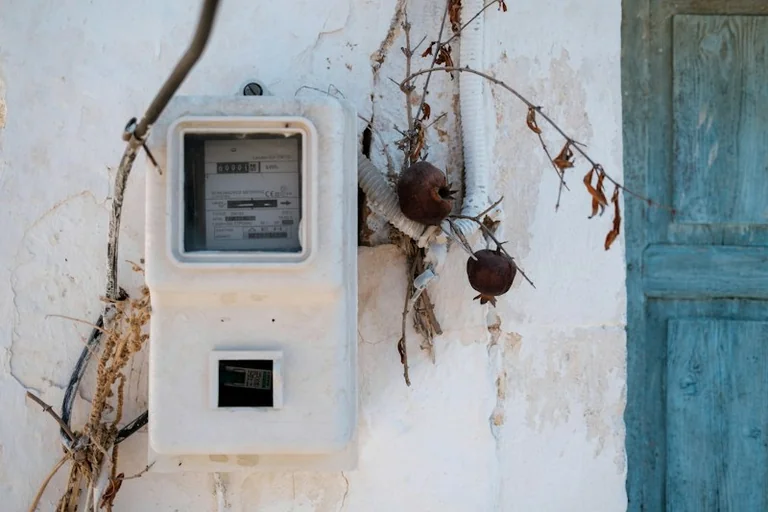
- Meter type: Check whether you have a credit meter, prepayment meter or smart meter, and make sure readings are up to date.
- Annual consumption: Look for estimated yearly gas and electricity use. This gives a better comparison than focusing only on one month’s payment.
If your bill is based on estimated readings, sending an actual meter reading can help make the account more accurate. Keep an eye on any change to your monthly direct debit as well: it may reflect expected seasonal use or an effort to clear a balance, not only a change in the capped rates.
If paying energy bills is becoming difficult
Contact your supplier as early as possible if you expect to struggle. Suppliers may be able to discuss an affordable payment plan, review a direct debit amount, or explain other support that could apply to your account.
Citizens Advice offers guidance for people finding it difficult to pay energy bills. It can help households understand their options, including speaking to the supplier and checking whether further help is available.
Avoid ignoring reminders or cancelling a payment without talking to the supplier first. Early contact can give you more choices and help prevent debt from growing.
A practical check before colder weather
Compare the unit rates, standing charges, tariff type and annual consumption on your current bill with the information your supplier sends after Ofgem confirms its next price-cap update. Then ask the supplier to explain any change you do not recognise before winter usage rises.
Source: Ofgem
Context & actions About this article
Source check Sources and bill checks
Ofgem explains how the price cap applies to rates on default tariffs, while Citizens Advice outlines support for people struggling with bills.
- Check your tariff name and payment method on a recent bill.
- Compare unit rates and standing charges after Ofgem confirms its next update.
- Contact your supplier early if a payment may be difficult.
- Source
- Ofgem: check if the energy price cap affects you
- Scope
- United Kingdom
- Updated
- 2026-09-13 12:54
Source check
Report a trust issue
Send a clear signal to community moderation if the source, facts or context need review.



Comments