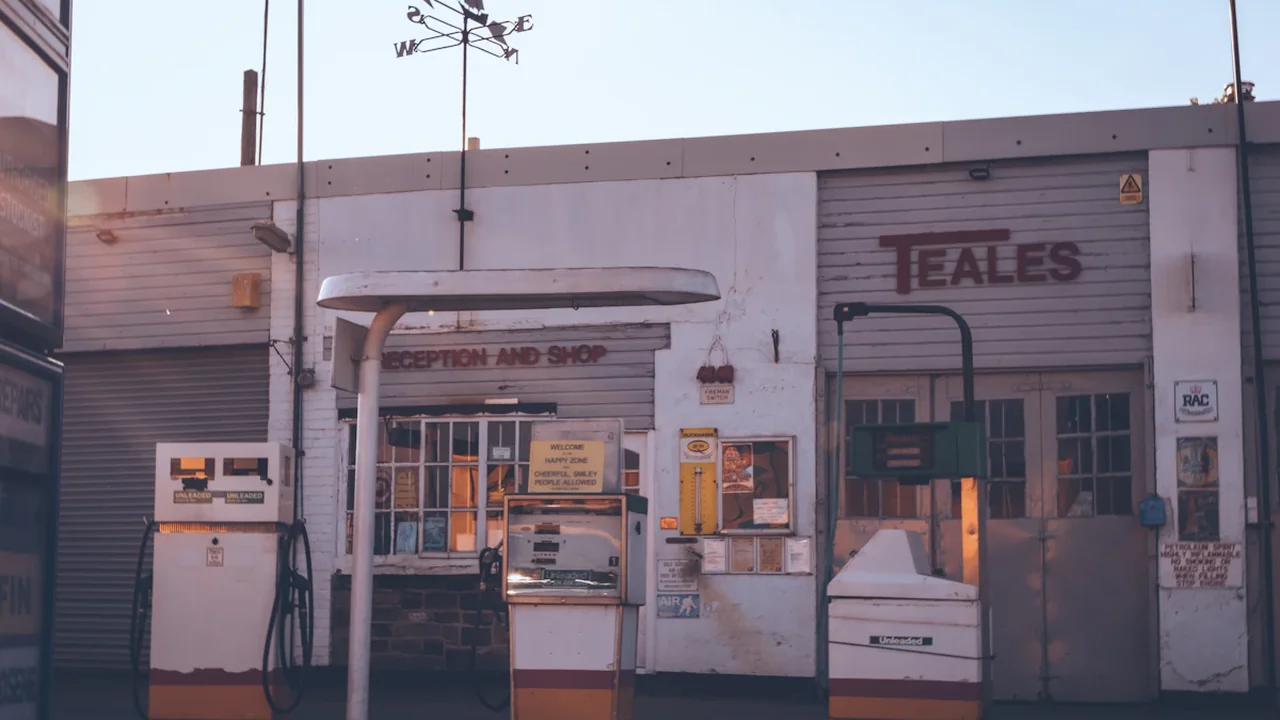
Longer school runs, commutes and weekend trips can make small fuel-price differences add up. Before setting off, compare prices close to home and along your route, then make a few basic vehicle and journey checks that can reduce avoidable fuel use.
National fuel-price headlines are useful context, but they do not tell you the price at the pump you will use. Check local figures on the day, note the date and time, and compare like for like: petrol with petrol, diesel with diesel.
Compare the forecourts you can actually use
Build a quick comparison using stations on your regular route. A cheaper site is only a saving if the extra distance and traffic do not cancel it out.
| Forecourt type | Petrol price | Diesel price | Checked |
|---|---|---|---|
| Supermarket forecourt | ___ p/litre | ___ p/litre | date/time |
| Independent station | ___ p/litre | ___ p/litre | date/time |
| Nearby branded station | ___ p/litre | ___ p/litre | date/time |
Do not rely on an old national average when choosing where to fill up. Prices can vary between nearby towns, motorway services and local forecourts. GOV.UK publishes road-fuel price information, while the Competition and Markets Authority monitors competition in the road-fuel market.
Check tyres and load before the journey
Tyre pressures are worth checking when the tyres are cold and against the vehicle manufacturer’s recommended settings. Under-inflated tyres can increase rolling resistance, while incorrect pressures may also affect handling and tyre wear.
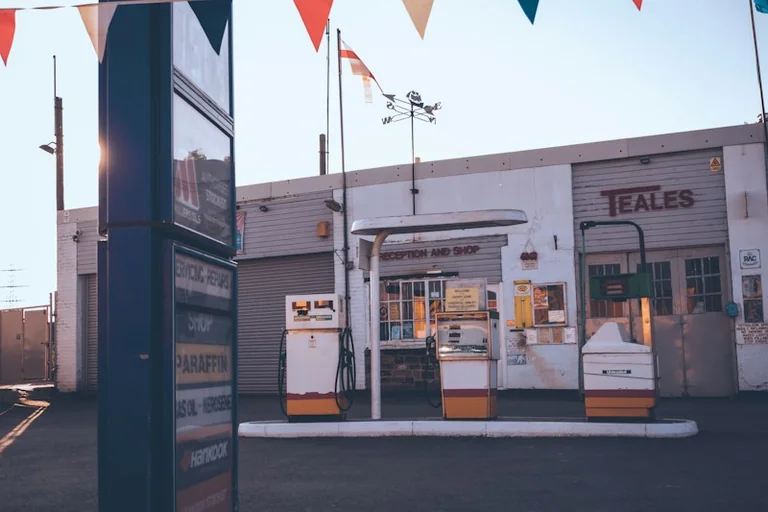
The AA’s fuel-saving advice also supports practical driving and maintenance habits. Before a longer journey:
- Remove unnecessary heavy items from the boot.
- Check tyre pressures, tread condition and any warning lights.
- Avoid carrying roof bars or boxes when they are not needed.
- Use the correct engine oil and keep to the vehicle servicing schedule.
Plan routes to avoid wasted miles
Check the route before leaving, especially for roadworks, closures and regular congestion points. One reliable route can cost less than a nominally shorter route that involves repeated queues, sharp acceleration and idling.
Where it is safe and legal, drive smoothly, anticipate traffic ahead and avoid harsh acceleration or braking. Combine nearby errands when possible instead of making separate car trips.
For a household budget, record the price paid per litre, litres bought and mileage for a few weeks. That gives a more useful picture of your own fuel costs than a headline average, and helps show whether a local price change is worth altering your usual filling routine.
Source: GOV.UK
Context & actions About this article
Source check Fuel-cost checks
Local pump prices should be checked and date-stamped before choosing where to fill up.
- Compare petrol and diesel prices at nearby forecourts on the same day.
- Record the date and time beside each quoted pump price.
- Check tyre pressures against the vehicle manufacturer's guidance.
- Review roadworks and likely congestion before longer trips.
- Source
- GOV.UK road-fuel prices
- Scope
- United Kingdom
- Updated
- 2026-09-13 09:11
Source check
Report a trust issue
Send a clear signal to community moderation if the source, facts or context need review.


Comments