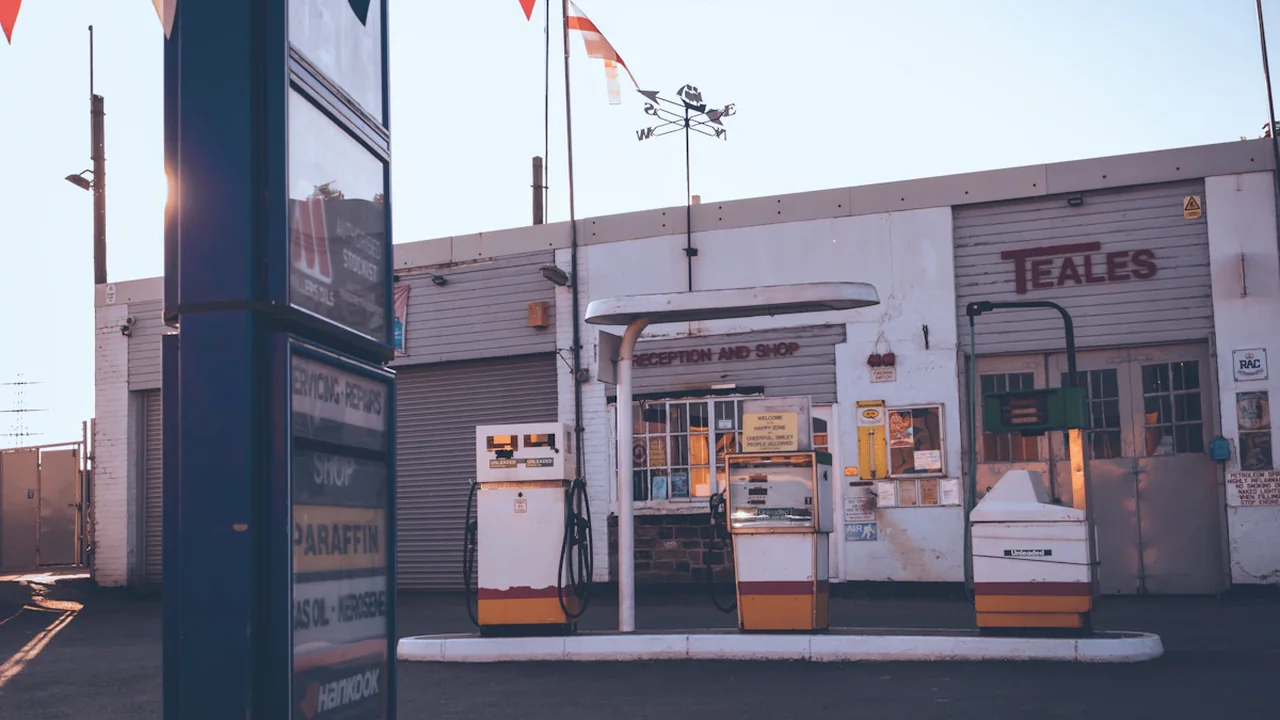
A realistic fuel-cost estimate starts with your car’s fuel economy, the distance you plan to drive and a current local price per litre. Use the calculation below to estimate the fuel for a journey, then check when and where each listed pump price was recorded before choosing a station. The result is a planning figure; actual consumption and the price you pay can differ.
Check local petrol and diesel prices
The Competition and Markets Authority (CMA) provides fuel-finder resources that can help drivers compare prices at nearby filling stations. Check the location and time attached to each price: pump prices can change, and a listing may not reflect what you will pay when you arrive. Confirm the price at the station if it could affect your choice.
For wider context, the Department for Energy Security and Net Zero publishes UK road fuel price statistics through a government collection. These statistics help show national context, but they are not a substitute for checking a current local pump price. Use local listings to compare nearby options and national statistics for broader context.
When comparing stations, check the price per litre for the fuel your vehicle uses and consider how far you would need to drive out of your way. A lower listed price does not automatically mean a cheaper trip: the additional distance uses fuel too. If the saving at the pump is small, include the detour in your journey estimate before deciding.
Calculate how many litres the journey may use
Start with the journey distance in miles and your vehicle’s fuel economy in miles per gallon (mpg). For UK imperial gallons, estimate litres needed like this:
Litres needed = journey miles ÷ miles per gallon × 4.546
Then multiply the estimated litres by the displayed pump price in pounds per litre:
Estimated fuel cost = litres needed × price per litre

For example, suppose a round trip is 120 miles, your car averages 40 mpg, and a station lists fuel at £1.50 per litre:
- 120 ÷ 40 × 4.546 = about 13.64 litres
- 13.64 × £1.50 = about £20.46 in fuel
This estimate covers the fuel calculated for the journey; it does not account for other travel costs. If your car’s displayed economy is in miles per gallon, check that it uses imperial gallons, because the formula’s conversion factor is for UK gallons. A figure based on a different gallon measure would not match this calculation.
Use a realistic route and fuel economy
Your real fuel use can differ from the estimate. Congestion, stop-start driving, hills, speed, weather, vehicle condition, load and driving style can all affect consumption. A route with more miles can also cost less in fuel if it avoids heavy traffic, while a short urban journey may use more fuel than its distance suggests.
Use the distance for the route you are likely to drive rather than a straight-line measurement, and treat the mpg figure as a guide. If you know your car’s typical economy on similar journeys, that may be more useful than its best-case figure. Recalculate if you add detours, passengers or extra stops, since these can change the distance or conditions reflected in the estimate.
Compare the whole trip, not just the pump price
Before setting off, compare the estimated fuel cost with other practical ways to make the journey. Public transport, car-sharing or combining several errands into one trip may change the overall cost and convenience. They are not always cheaper: fares, extra travel, parking, timing and the number of passengers all matter.
Make the comparison across the full journey. For a drive, include any extra distance to a cheaper station and other travel costs that apply to you. For public transport, include the fares and connections you need. For car-sharing, consider how costs are split and whether the route suits everyone. For errands, check whether combining them adds distance or time.
A quick check before you leave
- Confirm the listing is for your fuel type and note the price’s location and time.
- Estimate journey miles using the route you are likely to take.
- Use a realistic mpg figure, then calculate litres and estimated fuel cost.
- Include any detour to a cheaper station when comparing pump prices.
- Compare the full trip with public transport, car-sharing or combining journeys.
- Recheck the pump price before relying on it, especially if the listing is not recent.
Source: Department for Energy Security and Net Zero, GOV.UK
Context & actions About this article
Source check How the estimate works
The calculation estimates fuel use from miles, UK imperial mpg and litres per gallon; actual consumption and pump prices can vary.
- Check the local price's location and recorded time
- Use a realistic mpg figure for the vehicle and journey
- Allow for route, traffic and driving conditions
- Source
- Department for Energy Security and Net Zero: Road fuel price statistic...
- Scope
- United Kingdom
- Updated
- 2026-10-10 07:48
Source check
Report a trust issue
Send a clear signal to community moderation if the source, facts or context need review.

Comments