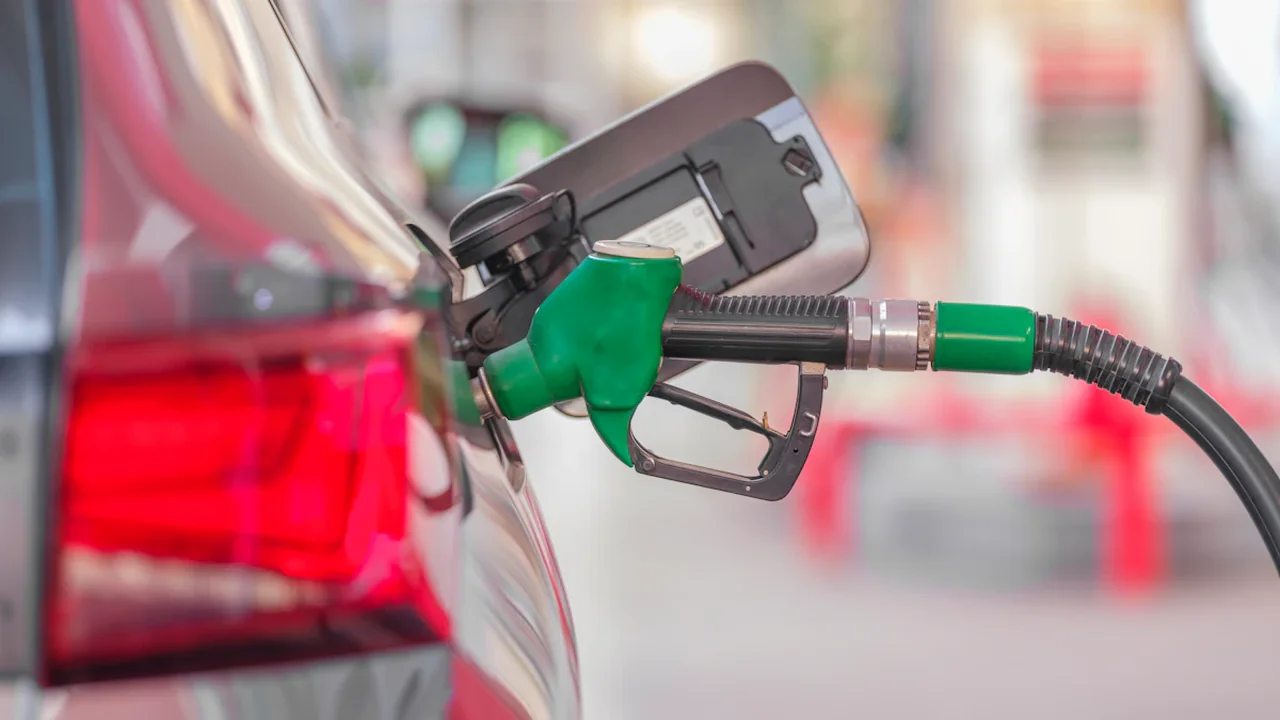
Fuel costs represent a significant and often volatile portion of the average household budget. With prices fluctuating frequently, taking a proactive approach to how, where, and when you refuel can lead to substantial annual savings. By combining real-time data with smarter driving habits, you can effectively manage your fuel expenditure throughout the year.
Understanding National Price Trends
National fuel price trends are tracked weekly by the RAC, providing a reliable baseline for what you should expect to pay at the pump. While these national averages offer a useful benchmark for market health, they rarely reflect the exact price you will see at your local station. Prices often vary significantly based on your specific geographic location, local competition, and the type of fuel retailer you choose to visit.
Why Prices Vary at the Pump
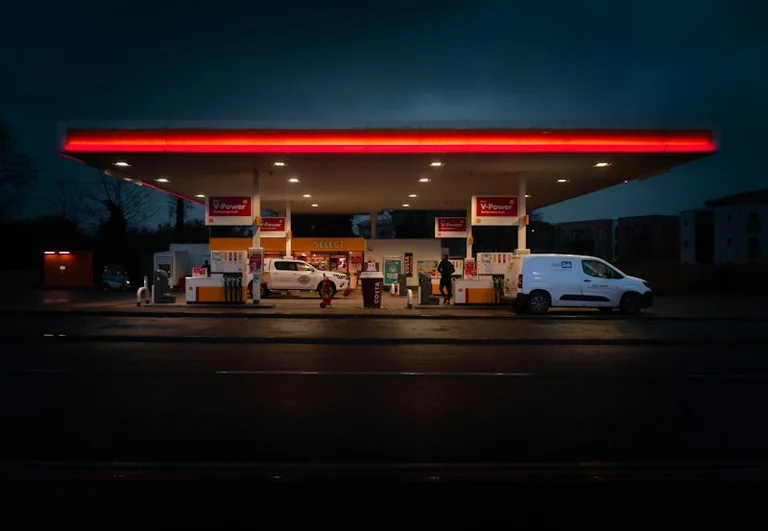
Understanding the pricing strategy of different retailers is key to minimizing costs. Supermarket petrol stations often operate on a “loss leader” strategy, competing aggressively on fuel prices to drive foot traffic into their stores. Consequently, these are often the most reliable starting points for finding cheaper fuel.
Conversely, motorway service stations frequently charge a premium. This is not merely a reflection of fuel costs, but a charge for convenience, 24-hour accessibility, and prime location. By understanding these structural differences, you can plan your refueling stops strategically, opting to fill up at supermarkets during your routine errands rather than relying on the first station you see while on a long-distance journey.
Tools for Tracking Fuel Prices
Technology has simplified the process of finding the best local rates. Several mobile apps and websites allow you to input your postcode to see a list of local petrol stations ranked by price in real-time.
| Strategy | Benefit | Implementation Tip |
|---|---|---|
| Comparison Apps | Real-time local data | Check before you leave the house. |
| Loyalty Schemes | Direct cash or point savings | Link your store card to fuel accounts. |
| Route Planning | Avoids premium pricing | Fuel up before hitting the motorway. |
- Use dedicated comparison apps: Many digital tools aggregate data from local stations to highlight the cheapest options within a specific radius of your postcode.
- Check supermarket loyalty schemes: Many major retailers offer fuel vouchers or discounts when you spend a certain amount in-store. Always check your receipt or app for active fuel-saving promotions.
- Plan your route: If you are traveling long distances, check fuel prices along your route in advance. Filling up in a town near the motorway is almost always cheaper than refueling at a motorway service station.
Improving Your Fuel Economy
Beyond finding a lower price per liter, the most effective way to save money is to use less fuel while driving. Small, consistent adjustments to your driving habits can significantly improve your vehicle’s efficiency over time.
Practical Driving Habits for Efficiency
- Maintain steady speeds: Frequent, aggressive acceleration and heavy braking consume significantly more fuel. Use cruise control on motorways where safe and appropriate to maintain a consistent speed.
- Reduce unnecessary weight: Your engine works harder to move a heavier vehicle. Remove heavy items from your boot that you do not need for your current journey.
- Check tyre pressure: Under-inflated tyres increase rolling resistance, which forces your engine to work harder and burn more fuel. Check your manufacturer’s recommended PSI regularly.
- Avoid idling: If you are waiting for a passenger or stopped in traffic for a long period, turn off your engine. Idling wastes fuel and contributes to unnecessary emissions.
Regular maintenance, such as timely engine servicing, also ensures your vehicle operates at peak efficiency. A well-maintained engine burns fuel more cleanly and effectively. By combining smart refueling habits with these efficient driving techniques, you can better manage your fuel costs throughout the year.
Source: RAC
Context & actions About this article
Source check Fuel Price Guidance
This guide uses established fuel tracking data to help consumers reduce transport costs.
- Check local petrol station apps
- Verify tyre pressure against manual
- Compare supermarket vs motorway prices
- Source
- RAC
- Scope
- United Kingdom
- Updated
- 2026-09-18 09:05
Source check
Report a trust issue
Send a clear signal to community moderation if the source, facts or context need review.



Comments