
Shipping disruption in the Middle East could raise the cost of moving oil and other goods to the UK, but it would not translate automatically into higher prices at the pump or for deliveries. The effect would depend on the route affected, how long disruption lasted, global supply and demand, and how businesses and retailers passed costs on. To judge what is happening locally, compare current pump prices with the government’s weekly data and check delivery quotes at checkout.
How shipping risks can affect costs
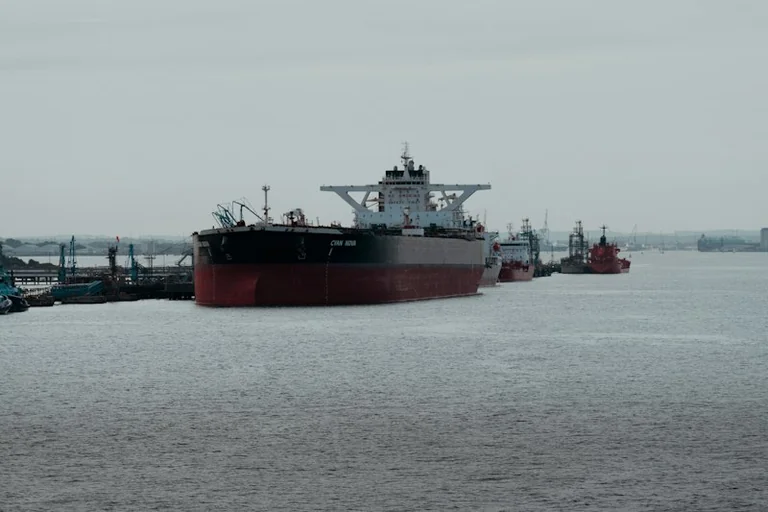
Oil travels by ship from producing regions to refineries and buyers around the world. If a key route becomes harder or riskier to use, vessels may face longer journeys, delays, or higher insurance premiums. Those costs can feed into the price of transporting oil and other cargo.
The International Energy Agency (IEA) follows oil supply, demand and market conditions through its Oil Market Report. Its market context can help explain why shipping risk matters, but it does not by itself show that a particular disruption is happening now or predict a specific UK pump price.
A possible cost chain looks like this:
- A route becomes unavailable, slower, or more expensive to use.
- Ships take longer journeys or operators pay more for insurance and freight.
- Oil buyers and traders respond to changes in supply, delivery costs and market expectations.
- Refineries, fuel suppliers, hauliers and retailers may face different costs at different times.
- Some costs may reach households through fuel prices or delivery charges, depending on competition and pricing decisions.
Each link can weaken or delay the effect. Businesses may use other routes or sources, draw on existing stocks, or absorb some of the added expense. A market price change also does not tell you exactly what a local petrol station or delivery company will charge.
Why a change in oil costs may not match pump prices
UK forecourt prices reflect more than the cost of crude oil. They can also depend on the wholesale price of refined fuel, exchange rates, taxes, distribution costs, local competition and retailers’ pricing choices. Changes in these factors may occur at different speeds, so a movement in an oil-market benchmark does not map directly onto a pump-price change.
The UK government publishes weekly road fuel price data for domestic comparisons. Look at the publication date and compare like with like, such as petrol with petrol or diesel with diesel. The national figures give context; they are not a live quote for a particular forecourt and may not reflect local variation.
A short-lived rise in shipping costs may have little visible effect on UK pump prices. A longer or wider disruption could matter more, especially if it coincided with tighter oil supply or other market pressures. The scale and duration would still matter, as would how suppliers and retailers responded.
How to compare local fuel and delivery costs
For fuel, check prices at several nearby stations before setting out. Use a current local price comparison service or the forecourt’s own published prices where available, and confirm when the information was last updated. Compare the same fuel type and account for any extra journey needed to reach a cheaper station.
For online orders, compare the full checkout cost rather than the headline delivery fee. Check whether delivery is free above a spending threshold, whether a faster slot costs more, and whether collection is available. Repeat the comparison across retailers for the same basket, delivery area and time window; stock availability and minimum order rules can change the total.
The government’s weekly road fuel price collection is useful for checking national trends alongside local quotes. If your local prices differ from the weekly average, that does not by itself show that shipping costs caused the gap. Local competition, timing and retailer decisions can all contribute.
What remains uncertain
A shipping risk alone is not proof that UK fuel or delivery prices have risen. Without dated evidence of a specific route disruption and measured changes in relevant costs, it is not possible to attribute a price movement to one event.
Even when disruption is documented, the eventual household effect depends on its location, severity and duration, available alternative routes, oil-market conditions, currency movements and commercial pricing. Delivery charges can also reflect warehouse, staffing and last-mile transport costs that are separate from oil shipping.
For a current check, compare the latest dated IEA oil-market context with the UK government’s most recent weekly road fuel figures, then check prices and delivery terms in your own area. A documented disruption and sustained cost changes would make a stronger case for a UK effect than a shipping headline or a single local price quote.
Source: Iea
Context & actions About this article
Source check Sources and context
The IEA provides oil-market context, while UK government weekly data supports comparisons of domestic road fuel prices.
- Check the date of the latest IEA Oil Market Report.
- Compare the publication date and fuel type in the government’s weekly road fuel data.
- Confirm local forecourt prices and full delivery charges directly before buying.
- Source
- International Energy Agency Oil Market Report
- Scope
- United Kingdom
- Updated
- 2026-10-12 09:55
Source check
Report a trust issue
Send a clear signal to community moderation if the source, facts or context need review.




Comments