
The next Ofgem energy price-cap update will matter to UK households on standard variable tariffs before higher-use autumn months begin. It limits the unit rates and standing charges suppliers can charge, but it does not set a maximum annual bill: what you pay still depends on your home, energy use, region, meter and payment method.
The cap limits prices, not your total bill
Ofgem’s energy price cap applies to the price per unit of gas and electricity, plus standing charges. A household that uses more energy will therefore pay more, even when its tariff is protected by the cap.
This is why headline estimates can be useful for comparison but may not match your own bill. They are based on an assumed level of use, while your costs reflect the energy actually recorded at your property.
Ofgem has not yet published the next cap level, so households should be wary of treating predictions as a confirmed autumn price.
Who is covered by the Ofgem price cap
The cap generally applies to customers on a standard variable tariff, including many default tariffs. It does not automatically apply to every energy deal.
A fixed energy tariff works differently. Its unit rates are agreed for the fixed period, so they normally do not move with a later price-cap change. The trade-off is that a fixed deal may be above or below future capped rates, and it can include exit fees if you leave early.
MoneyHelper notes that costs under the cap still vary with consumption, while fixed and variable tariffs operate in different ways.
Why your supplier’s estimate may not match the meter
A supplier may estimate a bill or direct-debit payment from previous use, seasonal patterns and the readings it holds. If readings are old or estimated, the account can drift away from actual consumption.
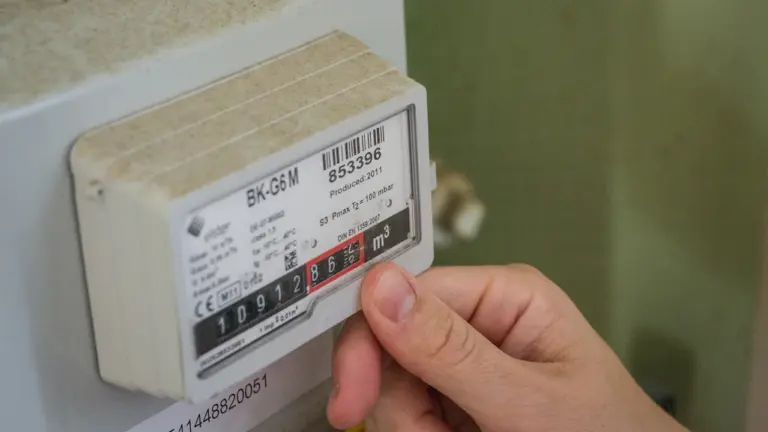
A smart meter can send readings automatically when working properly. If you do not have one, or it is not communicating, submitting a manual reading helps ensure charges are based on what you have used.
Four checks to make before autumn
- Confirm whether you are on a standard variable tariff or a fixed tariff, and note the end date of any fixed deal.
- Submit an accurate gas and electricity meter reading, especially if recent bills are marked “estimated”.
- Review your direct debit against recent usage and account credit or debit; ask the supplier to explain any proposed change.
- Compare a fixed offer with the current capped rates across the full contract, including standing charges, expected use and exit fees.
Compare a fixed offer on more than its monthly payment
A lower monthly direct debit does not necessarily mean a cheaper tariff. It may reflect an optimistic usage estimate, account credit or a payment plan spread across the year.
When comparing offers, use the same annual consumption figure for each quote where possible. Check both gas and electricity unit rates, standing charges, contract length and any charges for leaving. Keep a record of the quote and the date it was offered.
The next useful check is Ofgem’s published cap announcement, then your supplier’s updated tariff notice showing the rates that apply to your own account.
Source: Ofgem
Context & actions About this article
Source check Sources checked
This guide uses public guidance on how the energy price cap and common tariff types work.
- Check Ofgem’s price-cap page for the published update.
- Check your bill or online account for your tariff name and rates.
- Check whether recent meter readings were actual or estimated.
- Source
- Ofgem: Energy price cap
- Scope
- United Kingdom
- Updated
- 2026-08-12 13:33
Source check
Report a trust issue
Send a clear signal to community moderation if the source, facts or context need review.


Comments