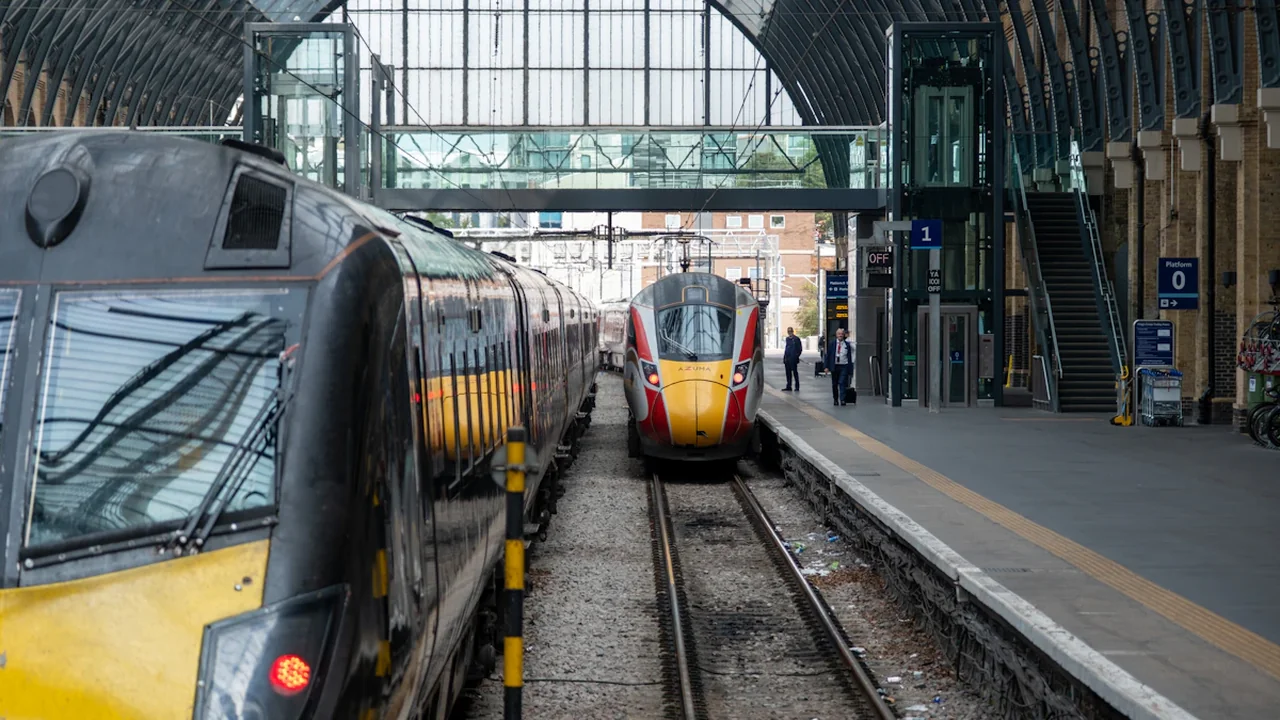
A change from five office days to two can change which travel pass offers the best value. The useful starting number is your actual return journeys per month, including occasional extra office days. Compare what those journeys would cost under each payment method before renewing a pass bought for an old routine.
Count the journeys you are likely to make
Look at your calendar for the next four to eight weeks. Mark each day you expect to travel to work, then add likely training days, team meetings and other trips that use the same route. Count return journeys separately from single journeys: a day that ends somewhere else may have a different cost.
For hybrid work, an average week can hide an expensive month. Two office days most weeks might become four during a project deadline. Calculate both a typical month and a busier month, then compare the options against each. If your schedule changes at short notice, flexibility may be worth paying for.
Check the full door-to-door journey. A rail pass may cover the train while leaving you to pay for a bus, Tube or tram. A cheaper ticket that forces a less convenient departure can also create a real cost in time or childcare. Keep these factors alongside the fare calculation rather than treating the lowest ticket price as the whole answer.
Compare each payment method on the same route
Price the options available for your stations, travel times and dates. National Rail routes and local transport networks have different ticket rules, so use the relevant operator’s current fare information before buying. These are the main options to test:
- Season ticket: Divide the price by the number of journeys you expect to make during its validity. Check which days, routes and connecting services it covers.
- Flexible or carnet-style ticket: Check how many travel days it includes, when it expires and whether unused days can be refunded. Its value depends on using enough of the allowance.
- Individual tickets: Compare the fares for the departures you would actually take, including any advance-purchase restrictions or peak-time prices.
- Pay as you go: Where Oyster or contactless payment is accepted, check the fares and any applicable daily or weekly caps for your route. A cap is a ceiling under its rules, not a promise that every journey costs the same.
Use the same assumptions for every option. A flexible ticket covering eight travel days should be compared with eight days of individual fares, not with a full month of travel. A season ticket should be assessed over its whole validity period, especially if annual leave or a planned change in office attendance falls within it.
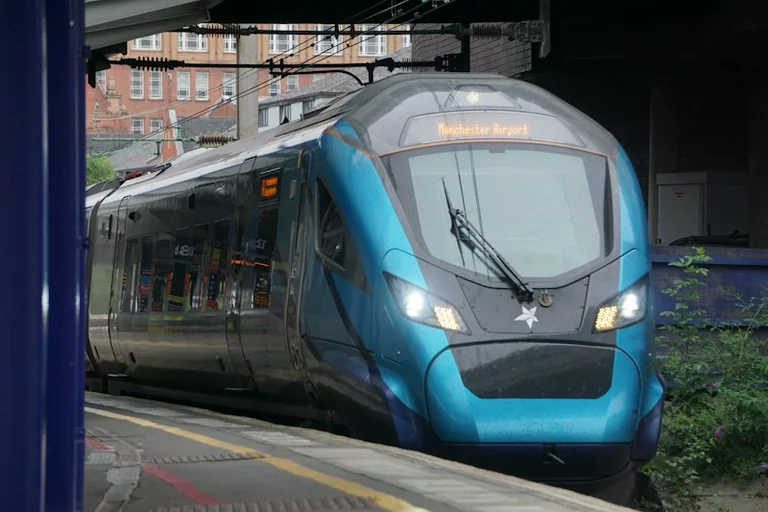
Some passes may also be useful for personal trips on the same route. Include those trips only if you genuinely expect to make them. Otherwise, an imagined weekend saving can make a pass appear better than it is.
Calculate the break-even point before renewing
Suppose a return journey costs £20, an illustrative monthly pass costs £240, and you expect to commute on eight days that month. Individual returns would cost £160, so the pass would cost £80 more. At 12 return journeys, both would cost £240. At 14, the pass would save £40, assuming the same £20 fare applies each time.
That example shows a break-even point of 12 return journeys: £240 divided by £20. It does not establish a typical UK fare or prove that a pass is best at 12 days on your route. Peak and off-peak prices, ticket restrictions, connecting travel and discounts can change the comparison. Insert your own quoted prices into the calculation.
Repeat it for any flexible ticket: divide its price by the number of travel days you will actually use, then account for days beyond its allowance. If the ticket expires before you use all its days, calculate the cost using the smaller number you realistically expect to use.
Add cycling and employer benefits to the calculation
Cycling may reduce fare spending on some days, but it has its own costs. Consider equipment, maintenance, secure parking and any shower or storage needs. If you already own a suitable bike, focus on the additional cost of commuting with it. If you would need to buy one, spread that cost over a realistic period rather than assuming every ride is free.
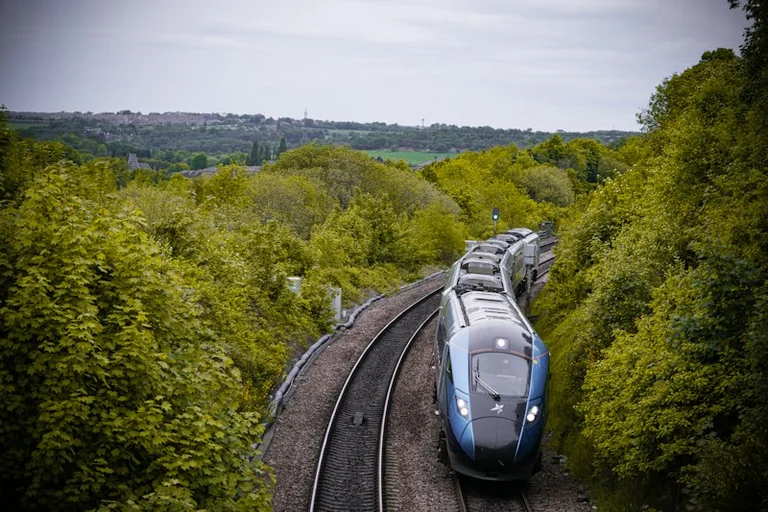
A mixed approach can be practical: cycle on suitable days and buy rail tickets when weather, luggage or meetings make cycling difficult. Estimate how often you would use each mode. A plan that relies on cycling every day may leave you paying more than expected if you regularly switch back to the train.
Ask your employer what travel support is currently available. It may offer a season-ticket loan, a cycle scheme, a shuttle or help with occasional travel. Check eligibility, repayment terms and what happens if you leave the job or change your working pattern. A loan can spread the cost of a pass without reducing its total price; a subsidy can change the comparison more directly.
Choose a review date as well as a ticket
Once you have the figures, pick the option that fits your expected journeys and your tolerance for schedule changes. Keep a simple record of travel days and spending for the first month. Compare that record with your estimate before the next renewal or ticket purchase.
Recalculate when your office schedule, route, fares or employer benefits change. The most useful next check is your calendar beside the current prices for the journeys you will actually take.
Source: Editorial research
Context & actions About this article
Source check How to compare costs
The break-even example uses hypothetical prices; your result depends on current fares, ticket rules and actual travel days.
- Count expected travel days over the ticket’s validity period.
- Check current fares and restrictions for your exact route and departure times.
- Include connecting travel, likely cycling costs and employer benefits.
- Scope
- United Kingdom
- Updated
- 2026-09-26 10:17
Source check
Report a trust issue
Send a clear signal to community moderation if the source, facts or context need review.



Comments