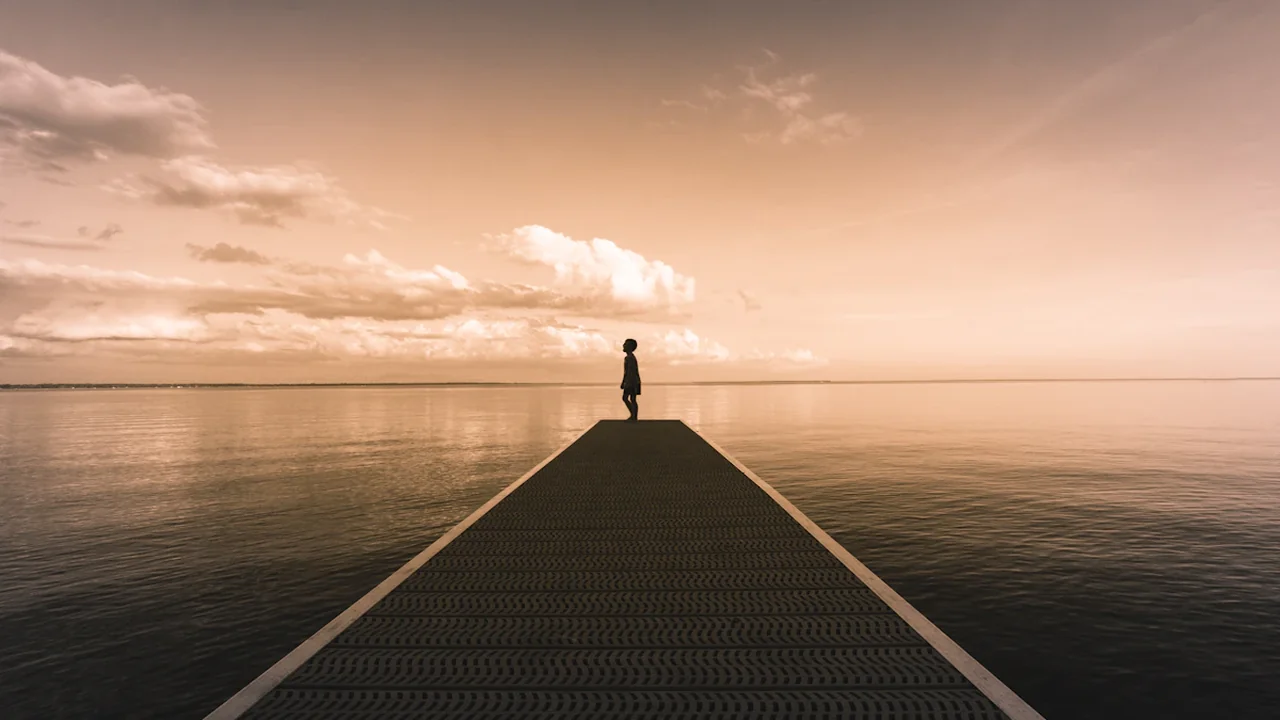
A dream of clear, still water can feel very different from one of rising floodwater or a dark underwater scene. Water has carried many meanings in myths, religious traditions and literature, but no universal key explains what it means in a personal dream. The setting, your emotions and what has been happening in your life offer more useful starting points than a fixed interpretation.
Water symbolism shifts across traditions
Water appears in stories and traditions as a source of life, a boundary, a force of change and a threat. Creation stories may place it at the beginning of the world; religious practices may use it in cleansing or renewal; literature may turn a river or sea into a setting for transition, distance or danger. These associations vary across cultures and works.
That variety matters when interpreting a dream. A river may suggest passage in one story and a familiar place in another. Even a widely recognized image, such as water used for cleansing, does not determine what it means to the person dreaming. Cultural background, personal memories and the details of the dream all shape its possible significance. A symbol can offer a starting point for reflection, but it cannot settle the meaning on its own.
Calm water, flooding and underwater scenes
Dream settings can help you describe the experience, but they do not function as a reliable code. Use them to notice what stood out rather than to predict what will happen.
- Calm water: Ask whether the scene felt peaceful, empty, watchful or unsettling. Stillness can feel restful to one person and unnerving to another.
- Flooding: Consider what the rising water was like and how you responded. Did you seek shelter, help someone, or watch from a distance? The dream does not predict danger or a coming upheaval.
- Being underwater: Notice whether you could breathe, see, move or reach the surface. A submerged scene may feel calm, constricting, curious or frightening; the emotion is part of the memory, not proof of a single meaning.
- Crossing or standing beside water: Think about whether you were approaching, avoiding or moving through it. The route and your surroundings may be more personally relevant than the water alone.
The same setting can carry different associations in different dreams. Water at a childhood beach may connect to a specific memory; water in an unfamiliar room may stand out because of the room, the people present or the sense of being trapped. In either case, the useful distinction is between describing what happened and deciding what it must mean. Details build a more personal reading, but they do not establish a certain explanation.
Begin with the feeling and surroundings
When you wake, write down a few concrete details before reaching for an interpretation. What kind of water was present? Where were you? Who else was there? What happened just before the scene changed? Record the emotion in plain terms, such as relief, fear, curiosity or frustration. Separating these observations from your later interpretation can make it easier to see what the dream actually contained.
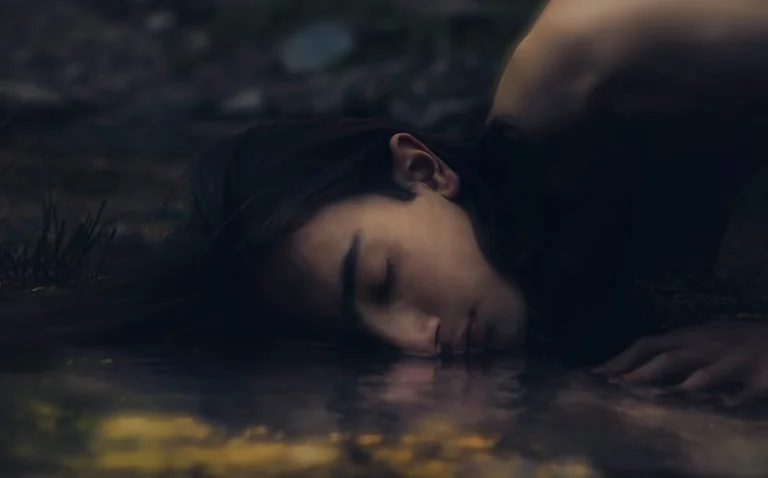
Then consider whether any recent experience or familiar place comes to mind. A stormy week, a swim, a conversation, a film or a remembered landscape might be relevant—or might not be. Ask what part of the scene connects to that experience, if anything: the water itself, the location, another person or your response. The point is to explore possible connections without forcing one. A dream image alone cannot prove what caused it.
Treat interpretations as possibilities, not predictions
Dream interpretation is reflective rather than a dependable way to forecast events. A water dream cannot tell you that you will become pregnant, receive money, face danger or experience another specific change. Claims that assign one guaranteed outcome to a particular image go beyond what the dream itself can establish.
If an interpretation feels useful, treat it as a question to consider, not a verdict: What about this scene stayed with me? Does it connect to anything I already know about my feelings or surroundings? You can also leave the dream unexplained. Not every memorable image needs to carry a hidden message.
Cultural stories may give you language for thinking about water, but their associations are not universal instructions for reading a personal dream. Start with the scene as you remember it—the water, place, people and feeling—and keep any explanation open to revision. The most useful reading is one that helps you reflect without turning an image into a prediction.
Source: Editorial research
Context & actions About this article
Source check Interpretation note
Water imagery has varied across cultural traditions, so this guide treats dream settings as prompts for reflection rather than fixed predictions.
- Scope
- International
- Updated
- 2026-10-12 09:33
Source check
Report a trust issue
Send a clear signal to community moderation if the source, facts or context need review.




Comments