The Office for National Statistics’ latest confirmed reference here is its all-items Consumer Prices Index annual-rate series, D7G7; no current observation or publication date has been checked for this brief. The October 2026 result will determine whether the rate is below 3.0%, with participation closing on 31 October 2026. For households, a lower positive rate would mean prices are rising more slowly, not that bills are returning to earlier levels.
The October CPI question and deadline
Will the UK’s all-items CPI annual rate for October 2026 be below 3.0%? The forecast resolves YES if the ONS initially publishes a figure strictly below 3.0% by 31 December 2026. A figure of exactly 3.0% or higher resolves NO; no qualifying publication by that date also resolves NO.
The reference is the ONS all-items CPI annual percentage rate, recorded in series D7G7. Settlement uses the headline figure at the precision published initially. Later revisions do not change the result. Participation closes on 31 October, before the October reading is expected to be available, so the question is about the eventual published figure rather than a reading already known at the deadline.
The latest ONS rate still needs checking
The supplied ONS series page identifies D7G7 as the all-items CPI annual percentage rate, but the latest observation and its publication date have not been checked live. That means there is no verified preceding-month rate to compare with October in this brief. Readers should check the series against the latest official page and record the latest month, stated rate and publication date.
The eventual month-to-month comparison should use the preceding month’s annual CPI rate and October’s annual CPI rate as published by ONS. Those figures describe the change in the overall consumer price index compared with the same month a year earlier. They do not say that every item rose by that amount or that every household faced the same cost change.
CPI and CPIH are separate measures. CPIH includes owner occupiers’ housing costs and Council Tax; CPI does not use that same measure of housing costs. The forecast is explicitly about CPI, so a CPIH figure cannot settle it.
What could put October below or above 3%?
The result depends on the published index, including the contribution of categories such as food, energy and transport. No current category movements or forecasts have been verified for this brief, so they cannot be used as evidence that either outcome is more likely. A reported change in one category would also not establish the direction of the all-items annual rate on its own.
For a grounded comparison, readers can check the ONS release for the preceding month and the October release when available. Look for category contributions and annual rates as well as the headline. Food prices may affect regular grocery spending; energy costs can change with tariffs and usage; and transport costs may reflect fuel, fares or other expenses. The impact differs by household and by when costs are paid.
The YES path
YES requires the initial October 2026 all-items CPI annual rate published by the ONS to be below 3.0%, and that publication must arrive by 31 December 2026. A drop in the rate from the preceding month would be consistent with this result only if October’s published figure also crosses the threshold. A fall that leaves the rate at 3.0% or above is not enough.
The NO path
NO applies if the initial October rate is 3.0% or higher, including exactly 3.0%. It also applies if the ONS has not published a qualifying October figure by the end of 31 December 2026. Category increases or decreases matter to the forecast only insofar as they contribute to the published all-items rate.
Why falling inflation does not mean cheaper prices
Inflation measures how quickly prices change, not whether they have returned to a previous level. If annual CPI falls but remains positive, the overall price index is still higher than it was a year earlier; it is rising more slowly. A return to earlier prices would require prices to fall, a different outcome from lower positive inflation.
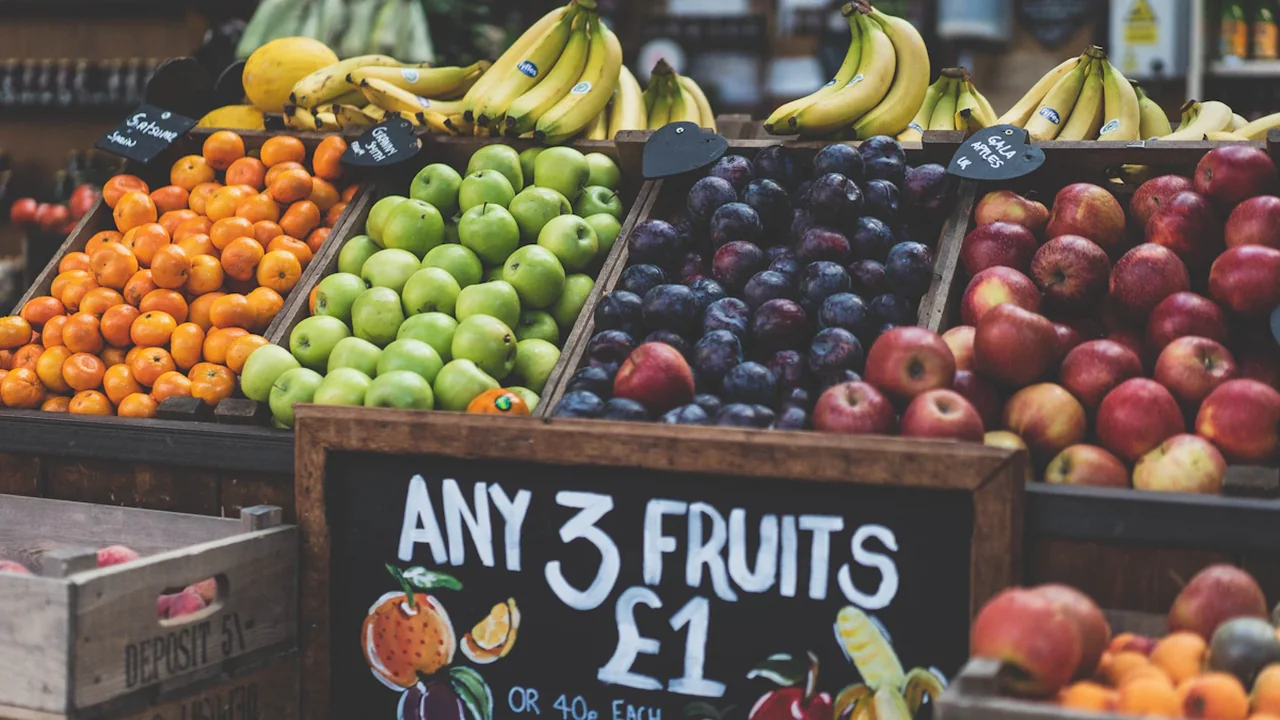
The headline index also represents an average basket, not a precise bill for every home. Spending patterns differ: one household may devote more to energy, another to travel or food. Even if the all-items rate falls below 3%, some costs could still rise faster, remain elevated or move differently from the index overall.
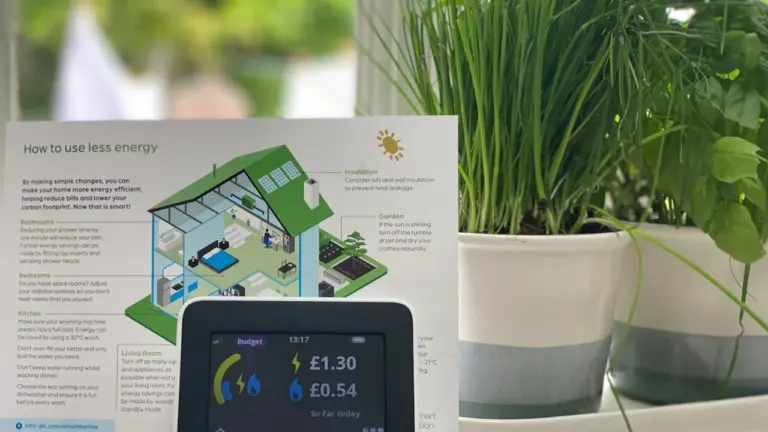
To understand their own experience, readers can compare recent food receipts, energy statements and transport costs with earlier bills, noting the period covered and any changes in usage, tariff or travel. Those personal comparisons explain household impact; they do not replace the national CPI measure used to settle the forecast.
What to check when October is published
The result should be checked against the ONS release for October 2026 and the D7G7 series entry. Confirm that the figure is the all-items CPI annual rate, note its stated precision and publication date, and compare it with the preceding month’s rate. Keep the corresponding CPIH figure separate.
The key next check is the initial October CPI headline published by 31 December 2026. A figure below 3.0% means YES; a figure of 3.0% or above means NO, as does the absence of a qualifying publication by the deadline.
Source: Office for National Statistics
Context & actions About this article
Source check How the result is decided
The forecast uses the ONS initial October 2026 all-items CPI annual rate at its published precision.
- Check ONS series D7G7 for the all-items CPI annual rate.
- Confirm the October 2026 figure and publication date.
- Use the initial published figure; later revisions do not affect settlement.
- Keep CPI distinct from CPIH.
- Source
- Office for National Statistics: CPI annual rate, series D7G7
- Scope
- United Kingdom
- Updated
- 2026-10-08 13:29
Source check
Report a trust issue
Send a clear signal to community moderation if the source, facts or context need review.

Comments