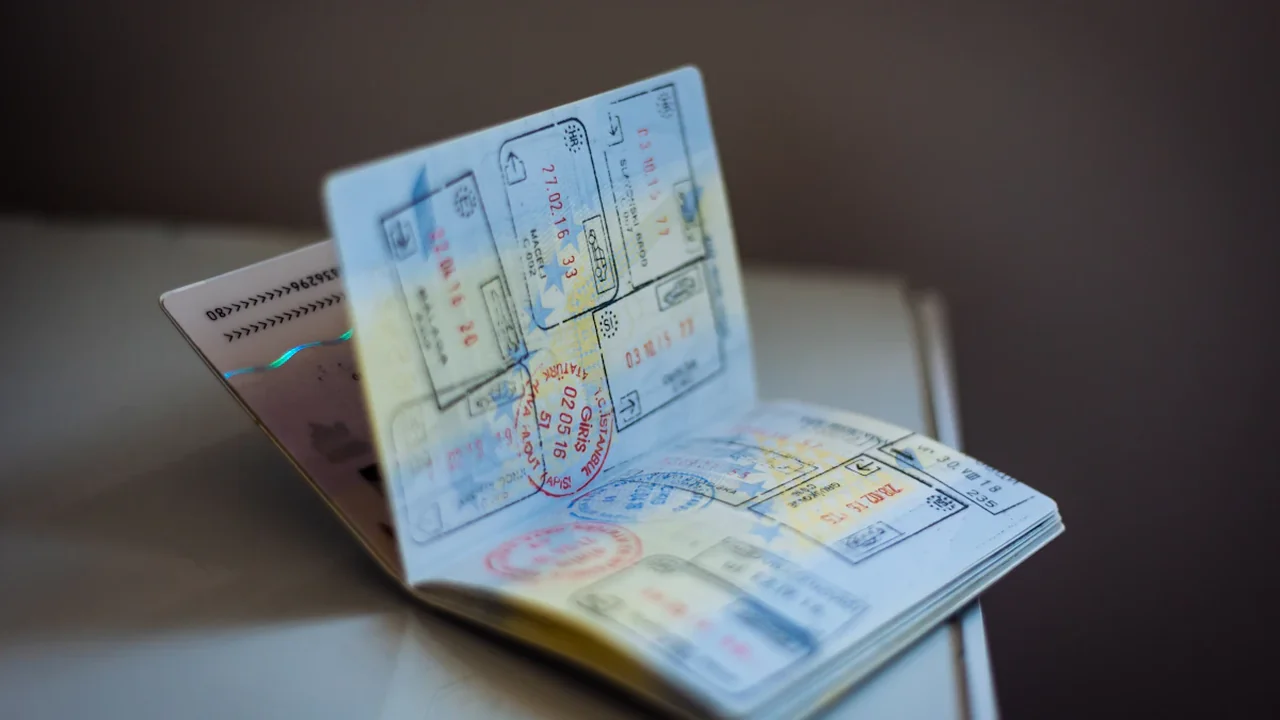
British citizens planning an autumn trip to France should check their passport’s issue and expiry dates separately, count previous Schengen visits and review current border instructions before departure. A passport that appears unexpired can still fail the Schengen date rules, while Entry/Exit System procedures may vary by route and crossing.
Apply both passport date tests
For a short visit to France, a British passport generally must satisfy two separate conditions:
- It must have been issued less than 10 years before arrival in France.
- It must remain valid for at least three months after the planned departure from the Schengen area.
Check the dates printed on the passport’s identity page rather than relying only on its nominal expiry date. This is particularly important for older passports that were issued with extra validity carried over from a previous document. Those extra months may not help with the first test.
For example, someone arriving on 10 September should confirm that the issue date is later than 10 September ten years earlier. They must then test the expiry date against the day they intend to leave the entire Schengen area, not merely the day they leave France.
The UK Government’s France entry requirements should be checked again before booking and departure.
Count every day under the 90-in-180-day rule
British visitors can normally travel visa-free for up to 90 days in any rolling 180-day period. The calculation includes time spent across all Schengen countries, so recent holidays or business trips elsewhere in the area can reduce the allowance available for France.
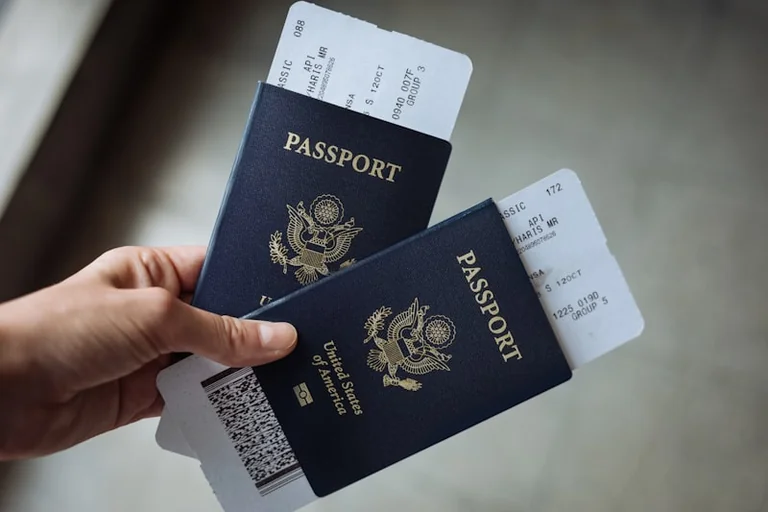
A connecting journey also matters. If the itinerary enters the Schengen area in another country before continuing to France, that first arrival can begin the stay. The relevant departure date is normally when the traveller finally exits the Schengen area.
Longer stays, work, study or residence can involve different visa or permit requirements.
Check Entry/Exit System instructions for your route
The EU Entry/Exit System is intended to record short-stay movements by non-EU nationals electronically. Travellers should verify its latest implementation status on the European Union’s EES page, then check instructions from their airline, ferry operator, rail company, airport or port.
Do not assume that registration arrangements, document checks or processing points will be identical at every airport, ferry terminal or international rail station. Follow the guidance for the specific crossing and allow any extra time recommended by the operator.
Complete these checks before departure
- Inspect each traveller’s issue and expiry dates, including every child’s passport.
- Confirm the passport is undamaged and matches the booking name.
- Count Schengen days from all trips during the relevant rolling 180-day window.
- Check connections to identify the first Schengen entry and final Schengen exit.
- Review current EES and carrier instructions shortly before travel.
- Carry evidence of accommodation, onward or return travel and sufficient funds if requested at the border.
Families should check documents individually: one valid adult passport does not resolve a problem with a child’s passport. Travellers approaching either date limit should renew early or obtain route-specific advice before paying non-refundable costs.
Source: UK Government
Context & actions About this article
Source check Official travel guidance
This guide applies UK Government passport advice and European Union information about the Entry/Exit System.
- Passport issue date checked separately from expiry date
- Planned departure tested against the three-month validity requirement
- Previous travel included in the rolling 180-day calculation
- Route-specific border instructions checked before departure
- Source
- UK Government: France entry requirements
- Scope
- United Kingdom and France
- Updated
- 2026-09-09 12:12
Source check
Report a trust issue
Send a clear signal to community moderation if the source, facts or context need review.




Comments