
By AtheneNet Travel Desk
Updated: 17 August 2026
UK passport holders making short visits to participating European countries should leave extra time for Entry/Exit System checks this summer. First-time registration may require a facial image and fingerprints as well as passport details, so travellers should check instructions from their airline, ferry company, rail operator, port or terminal before leaving home.
EES changes the border process for short European stays
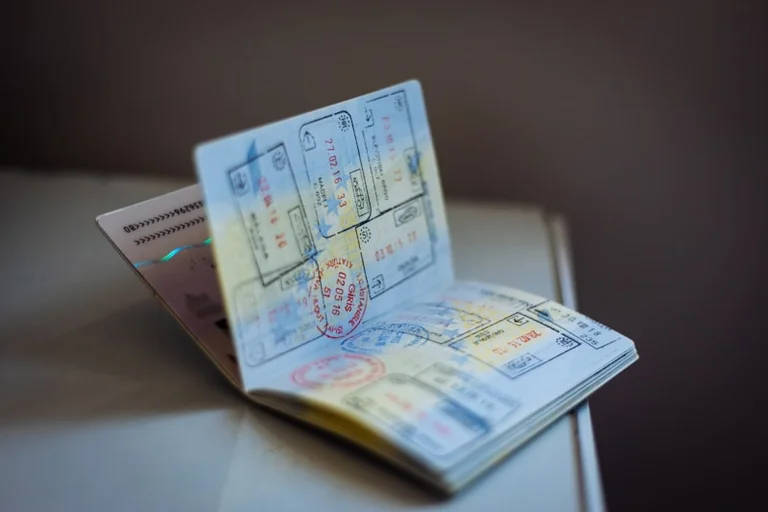
The Entry/Exit System, usually called EES, is an automated border system for registering non-EU nationals travelling for a short stay. It records when covered travellers enter and leave participating European countries and replaces manual passport stamping at their external borders.
For most British holidaymakers, the practical change happens at border control rather than during the booking process. Registration may take place after arrival in Europe or before departure where European border checks are conducted in the UK.
At a glance:
- Carry the passport linked to the trip and keep it accessible.
- Expect additional steps during the first EES registration.
- Allow spare time without assuming a standard queue length.
- Check Schengen stay limits and passport requirements.
- Treat EES and ETIAS as separate systems.
EES generally concerns short stays, including holidays, business visits and family trips. Different rules may apply to people holding qualifying residence documents or long-stay visas, so travellers with another immigration status should confirm whether registration applies to them.
First-time registration can include fingerprints and a facial image
At an initial EES crossing, border officials or self-service equipment may collect information from the traveller’s passport alongside biometric data. The process can include:
- Travel-document details
- The date and place of entry or exit
- A facial image
- Fingerprints when required
Travellers must still present themselves for the applicable border checks. Using a kiosk or automated gate does not remove the border authority’s power to ask questions or examine documents.
At later crossings, officers or automated equipment can use the stored EES record to verify identity and register the new movement. That may make repeat checks more straightforward, but travellers should not assume every crossing will take the same amount of time.
Facilities, staffing, passenger volumes and the layout of airports, ferry ports and international rail terminals differ. A family registering several people may also need longer than a previously registered solo traveller. There is therefore no reliable universal queue-time estimate.
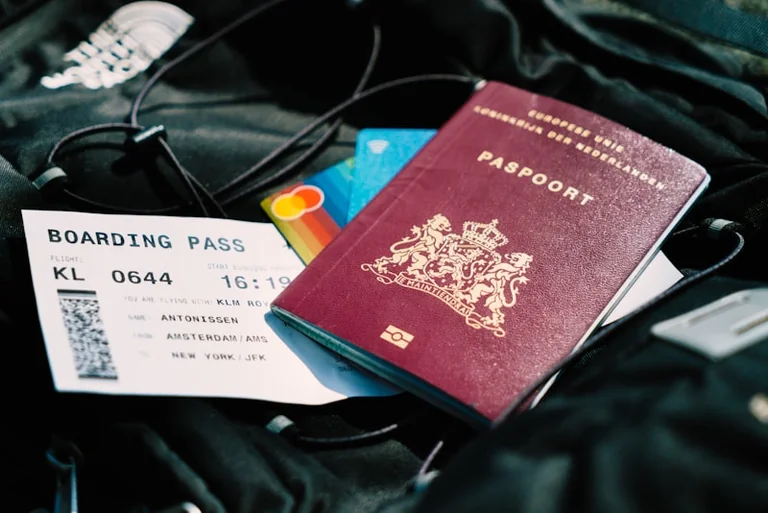
Build extra time into flights, ferries and international trains
The most useful preparation is to follow the instructions for the exact route. Airlines may give different arrival guidance from ferry operators, while ports and international rail terminals may explain where registration occurs and whether passengers should use kiosks before reaching an officer.
Before travelling:
- Check the latest EES notice from the carrier, departure point and arrival port or airport.
- Confirm that the passport is valid for the planned dates and meets the destination’s issue-date and expiry rules.
- Review the Schengen short-stay limit, generally no more than 90 days in any 180-day period across the relevant countries.
- Include previous Schengen visits when calculating the available stay.
- Keep booking details, accommodation information and evidence of onward or return travel available if requested.
- Add contingency time for border checks, connections and boarding deadlines.
Passengers with tight self-arranged connections should be especially cautious because separate tickets may offer limited protection after a delay. Carrier check-in and boarding cut-offs still apply even when border registration takes longer than expected.
EES registration is not an ETIAS travel authorisation
EES and the European Travel Information and Authorisation System, or ETIAS, serve different purposes. EES registers covered travellers at the border and records their entry and exit. ETIAS is a separate pre-travel authorisation scheme for eligible visa-exempt visitors.
Completing an EES registration does not count as obtaining ETIAS, and an ETIAS authorisation does not replace EES border checks. Travellers should check the official launch timetable and application guidance rather than paying an unofficial website or assuming that one process covers the other.
The European Union’s EES information page explains the system’s scope and data collection. GOV.UK provides guidance specifically for British travellers. Immediately before departure, the most useful final check is the latest instruction from the carrier and the relevant port, airport or rail terminal, because procedures and facilities can vary by route.
Source: European Union
Context & actions About this article
Source check Official travel guidance
This guide uses official information about EES scope, biometric registration and the expected process for British travellers.
- Checked the European Union description of EES eligibility and short-stay scope.
- Checked the listed passport and biometric data collected during registration.
- Checked UK government guidance for British travellers crossing participating borders.
- Kept EES border registration separate from ETIAS travel authorisation.
- Source
- European Union Entry/Exit System
- Scope
- United Kingdom and participating European countries
- Updated
- 2026-08-17 16:19
Source check
Report a trust issue
Send a clear signal to community moderation if the source, facts or context need review.


Comments