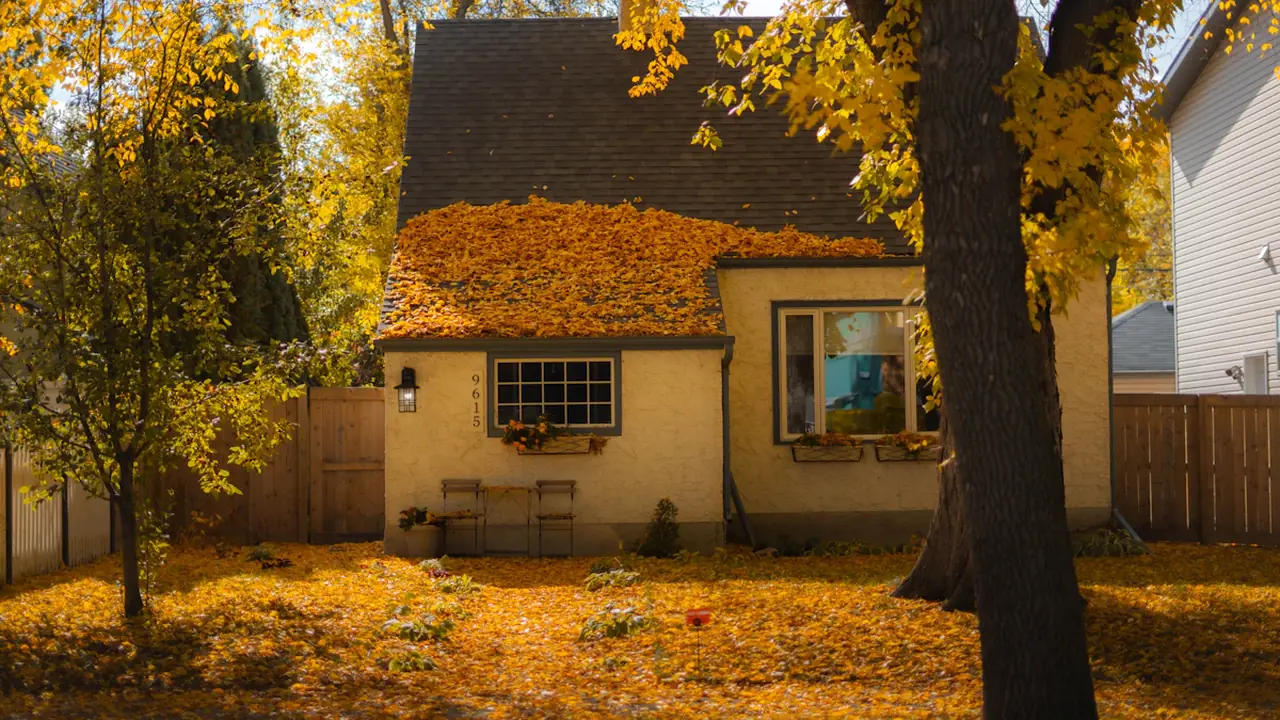
Meteorological autumn begins on 1 September, making this a useful moment for UK households and travellers to complete a few preventive checks. The date does not guarantee an immediate change in the weather, but it is a practical reminder to inspect drainage, test heating, prepare vehicles and check the local forecast before outdoor work or longer journeys.
By the AtheneNet Lifestyle Desk | Published 30 August 2026
Why meteorological autumn starts on 1 September
The Met Office uses two different definitions of autumn. Meteorological autumn runs from 1 September to 30 November every year, grouping the season into three complete calendar months for consistent weather observations and climate comparisons.
Read also: Why UK Day and Night Are Not Exactly Equal at the Equinox
Astronomical autumn begins at the autumn equinox, which usually falls later in September. Its timing is determined by Earth’s orbit and the position of the Sun rather than a fixed calendar date.
Neither definition predicts the conditions on a particular day. Early September can bring sunshine and warmth, persistent rain, cooler nights or a mixture of all three. The seasonal date is therefore better treated as a prompt to prepare than as a forecast of an abrupt change.
The most useful jobs to prioritise are:
- Clear gutters, downpipes and accessible outdoor drains.
- Test the heating before the first genuinely cold evening.
- Review boiler servicing and carbon-monoxide alarm arrangements.
- Secure or store loose garden furniture and equipment.
- Check vehicle tyres, lights, washers and wipers.
- Prepare for darker, wetter morning and evening journeys.
Clear gutters and outdoor drains before leaves accumulate
Gutters and downpipes should carry rainwater away from walls, windows and foundations. Leaves, moss and other debris can restrict that flow, causing water to overflow or collect where it is not wanted.
Inspect gutters from ground level after rainfall if possible. Look for overflowing sections, dripping joints, sagging runs and downpipes that appear slow to discharge. Remove leaves from safe, accessible drains and check that grates are not covered by soil, weeds or garden waste.
Avoid leaning from a window or working from an unstable ladder. If a gutter is high, difficult to reach or close to electrical equipment, use a competent tradesperson. A small blockage is easier to address before heavier leaf fall makes it worse.
Renters can photograph suspected defects and report them to the landlord or managing agent. People in flats should check which drainage areas fall under their responsibility before arranging work.
Test heating before it becomes urgently needed
Run the heating briefly while the weather is still manageable. Confirm that the boiler or other heat source starts normally, radiators warm as expected and thermostats respond to changes.
A test can reveal problems such as unusual noises, cold radiators or controls that have lost their settings. Do not remove boiler covers or attempt gas repairs yourself. If there is a fault, arrange an inspection by an appropriately qualified professional.
Check when the boiler was last serviced and whether another service is due. Households using oil, solid fuel, heat pumps or storage heaters should review the maintenance guidance for their particular system and check fuel or tariff arrangements in good time.
The NHS advises preparing for colder weather and keeping homes warm to reduce seasonal health risks. Anyone concerned about a health condition, mobility or the cost of heating should seek personalised support rather than waiting until temperatures fall.
Check carbon-monoxide and smoke alarms
Test carbon-monoxide alarms using the manufacturer’s test button, inspect their expiry or replacement date and replace batteries where the instructions permit. An alarm should never be treated as a substitute for correct appliance installation and maintenance.

Carbon monoxide cannot be reliably detected by sight or smell. If an alarm activates, follow its instructions, move into fresh air and contact the appropriate emergency or gas-safety service. Do not continue using a suspected appliance until it has been assessed.
Test smoke alarms at the same time. Check that alarms have not been covered, painted over or obstructed during decorating. Households should follow the placement and testing instructions supplied with each device.
Secure garden furniture and inspect outdoor areas
Early autumn does not automatically bring damaging winds, but loose objects are easier to deal with before unsettled conditions arrive. Store, fold or secure lightweight chairs, parasols, covers, plant pots and children’s outdoor equipment.
Inspect fence panels, shed doors and gate latches for existing movement or damage. Clear garden waste without blocking drains, and move items away from routes used in darkness. Outdoor lighting should illuminate steps and entrances without creating glare for neighbours or road users.
This is also a sensible time to clean and dry tools before storage. Do not use improvised weights or fixings that could become hazards themselves.
Prepare the car for wetter roads and darker commutes
Check tyre pressures against the vehicle manufacturer’s guidance and examine tyres for visible damage or uneven wear. Legal minimums are not a maintenance target: drivers who are uncertain about tread depth or tyre condition should ask a qualified tyre professional.
Test headlights, brake lights, indicators, fog lights and number-plate lights. Clean lenses, mirrors and windows, then top up screenwash with a product suitable for the expected conditions. Replace wiper blades if they smear, judder or leave large areas uncleared.
Keep sunglasses available for low autumn sun, which can reduce visibility even on a dry day. Allow extra stopping distance on wet or leaf-covered roads and avoid driving through floodwater when its depth or condition is unknown.
Cyclists and pedestrians should also prepare for declining daylight. Check cycle lights and reflectors, carry a small light when walking on poorly lit routes and choose clothing or accessories that help other road users see you. Visibility matters even before the clocks change.
Check the local forecast before travel or outdoor work
Conditions can differ sharply between UK regions, and a national seasonal date cannot describe what will happen in a particular town or route. Consult the Met Office forecast for the relevant locality before travelling, working at height, clearing gutters or planning extended outdoor activity.
Check again close to departure because the forecast may change. For longer journeys, look at conditions along the route as well as at the destination. Rainfall, wind, visibility and temperature can vary considerably over a few hours or between higher and lower ground.
Weather warnings should be read for their affected area, timing and expected impacts. A warning elsewhere in the United Kingdom does not necessarily apply locally, while apparently quiet weather at home does not guarantee the same conditions at the destination.
A practical seven-day preparation plan
Spread the work across several short sessions rather than trying to complete everything at once:
- Inspect gutters, downpipes and drain grates from a safe position.
- Clear accessible leaves and arrange help for work at height.
- Test heating controls, radiators and hot-water settings.
- Review boiler servicing and test household safety alarms.
- Secure garden furniture, pots, gates and shed doors.
- Check vehicle tyres, lights, washers and wipers.
- Prepare lights and reflective items for darker commutes.
On the day of travel or outdoor maintenance, make the locality-specific Met Office forecast the final check. The calendar identifies the start of a climatological season; the forecast describes the weather you are more likely to encounter.
Source: Met Office
Context & actions About this article
Source check Seasonal guidance
The seasonal dates and preparation advice are informed by Met Office and NHS public guidance.
- Confirmed that meteorological autumn begins on 1 September.
- Distinguished the fixed meteorological season from the autumn equinox.
- Avoided treating the seasonal date as a daily weather forecast.
- Included NHS context on preparing homes for colder conditions.
- Source
- Met Office
- Scope
- United Kingdom
- Updated
- 2026-09-21 08:46
Source check
Report a trust issue
Send a clear signal to community moderation if the source, facts or context need review.



Comments