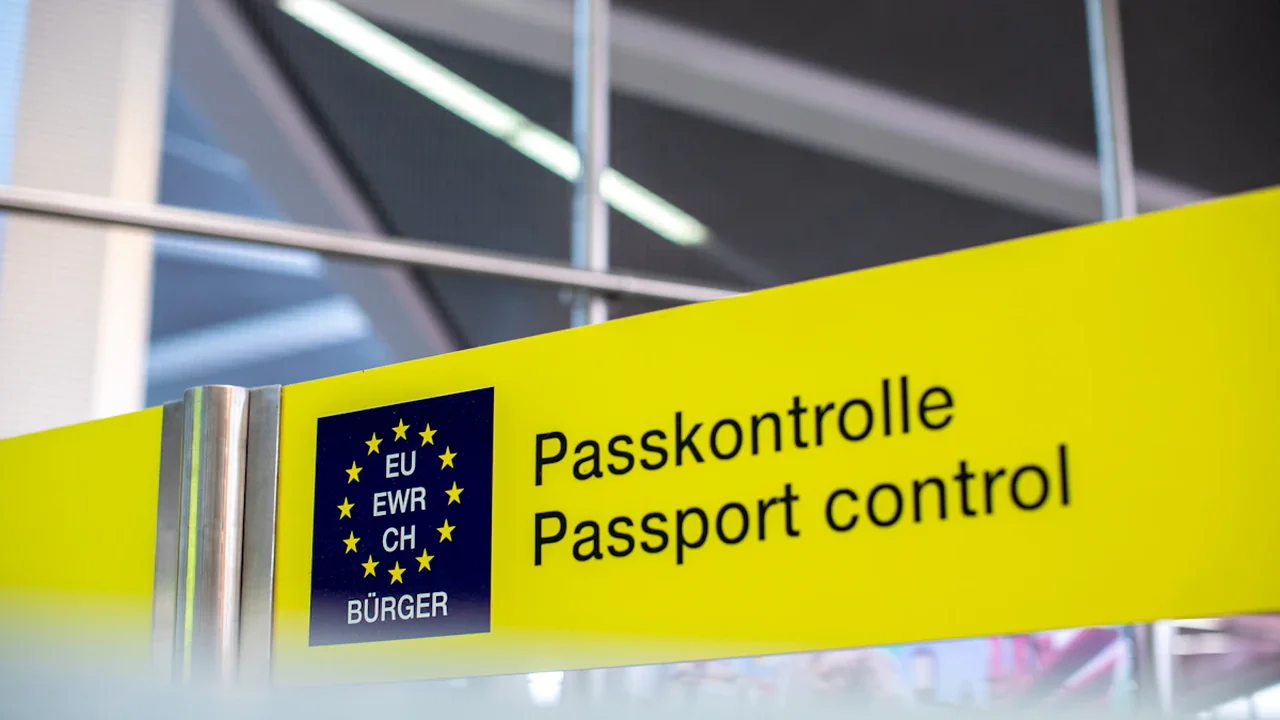
British travellers should check both their passport dates and permitted stay before travelling to Europe. Requirements vary by destination, route and passport type, so do not assume that one rule applies across the continent.
By the AtheneNet Travel Desk. Checked 22 August 2026 against UK Government guidance.
Check the rules for every country on your route
Start with the Foreign, Commonwealth & Development Office travel advice for your destination. Check any country where you will pass through border control during a flight, rail or road connection—not only the place where your holiday ends.
Rules may differ outside the Schengen area and for emergency travel documents, children’s passports and non-British passports. Each child needs the correct valid travel document. Dual nationals should check which passport they must present and use the same document consistently when entering and leaving where required.
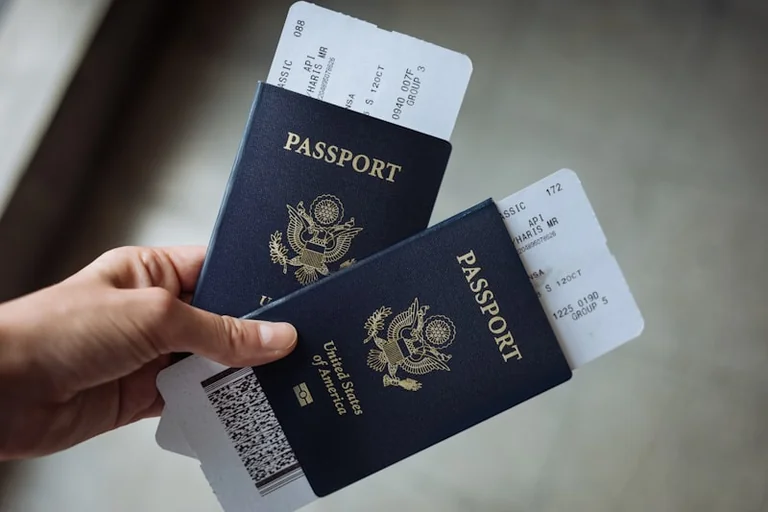
Apply both Schengen passport date checks
For a British citizen visiting the Schengen area, passport validity involves two separate tests:
- On the date of arrival, the passport must generally have been issued less than 10 years earlier.
- On the planned departure date, it must generally remain valid for at least three months.
Check the issue date as well as the expiry date. Extra validity added to some older UK passports can mean a passport has not expired but still fails the issue-date test. Confirm the precise requirements for each destination before booking or departure.
Count Schengen visits using the rolling 90-day limit
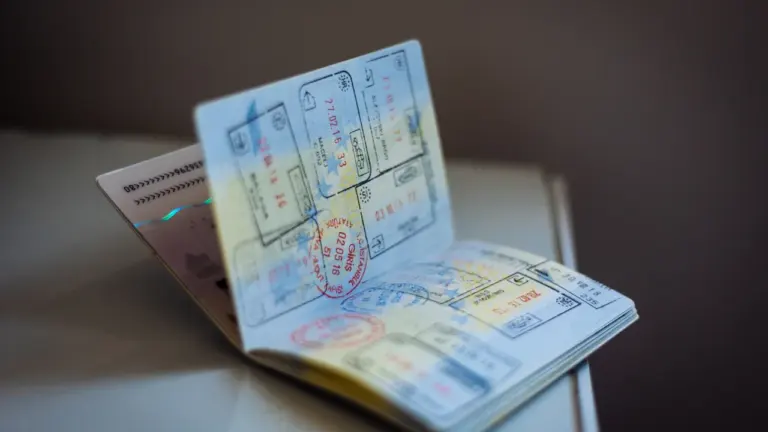
British citizens normally may visit the Schengen area visa-free for up to 90 days in any 180-day period. This is one shared allowance across participating countries, not 90 days for each country.

Both arrival and departure days count. For example, a 30-day stay followed later by a 60-day stay can use the full allowance if every counted day falls within the relevant rolling 180-day window. The calculation changes daily as older visits move outside that window.
Travellers nearing the limit should list every Schengen entry and exit from the previous 180 days and verify the calculation before departure. A visa or residence permit may be needed for longer stays, work, study or other non-visitor purposes.
Ireland follows separate travel arrangements
Ireland is not covered by the Schengen 90-in-180-day calculation. Travel between the UK and Ireland operates under the Common Travel Area, which also involves the Crown Dependencies and the Isle of Man.
However, carriers can still require identification, and nationality or immigration status can affect the documents needed. Check Irish entry rules and the transport operator’s conditions for the specific journey.
Complete these checks before departure
- Open the FCDO entry-requirements page for every destination and connecting country.
- Compare the passport’s issue and expiry dates with the planned arrival and departure dates.
- Count all Schengen days within the rolling 180-day window, including entry and exit days.
- Check each child’s passport separately.
- Confirm the correct passport and rules for every dual national travelling.
- Recheck official advice shortly before departure in case requirements change.
Source: UK Government
Context & actions About this article
Source check Official guidance used
This guide is based on UK Government passport, destination-entry and Common Travel Area guidance.
- Passport issue-date and expiry-date tests were treated as separate checks.
- The Schengen allowance was described as a rolling 90 days in any 180-day period.
- Ireland was distinguished from the Schengen area under Common Travel Area arrangements.
- Readers were directed to destination-specific FCDO advice.
- Source
- UK Government passport rules for travel to Europe
- Scope
- United Kingdom and Europe
- Updated
- 2026-08-22 14:28
Source check
Report a trust issue
Send a clear signal to community moderation if the source, facts or context need review.



Comments