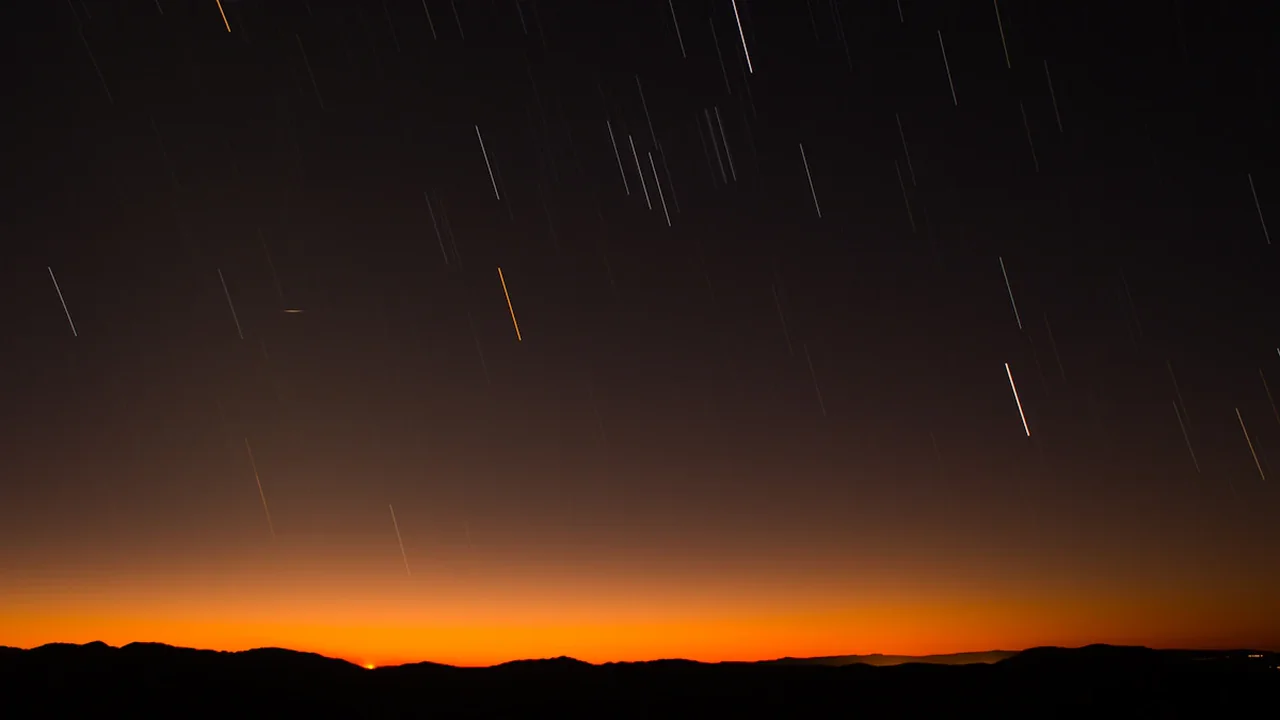
Occasional Perseid meteors may still be visible from the UK tonight, 18 August 2026, although the shower has passed its annual peak and no particular meteor count can be promised. Before going out, check your local cloud forecast: a clear, dark sky matters more than specialist equipment.
By the AtheneNet Science & Lifestyle Desk — 18 August 2026
Is it worth looking for Perseid meteors tonight?
The Perseid meteor shower remains within its broader annual activity window after the principal August peak, according to the American Meteor Society meteor-shower calendar. That makes a late sighting possible, but activity is generally less dependable than around the peak.
Think of tonight as a relaxed stargazing opportunity rather than a guaranteed display. You could see an occasional Perseid, another sporadic meteor or no meteors at all during a short session. Local conditions and the amount of time spent watching will strongly affect the experience.
Useful details
- Check cloud cover for your location shortly before leaving.
- Choose a dark place with a broad, unobstructed view of the sky.
- Allow 20 to 30 minutes for your eyes to adjust to darkness.
- Watch with the unaided eye; a telescope is not required.
Cloud, street lighting and moonlight will shape the view
Conditions can differ considerably across the United Kingdom. A clear spell in one county does not mean another area will have the same opportunity, so use the Met Office location forecast to check expected cloud and weather where you actually plan to watch.
Look beyond the general weather symbol. Hour-by-hour cloud information is more useful for an evening trip because a brief clear interval may sit between cloudier periods. Also check the temperature, wind and chance of rain so that you can dress appropriately.
Even beneath clear skies, street lamps, illuminated buildings and vehicle headlights can wash out fainter meteors. A garden with lights switched off may be better than a brightly lit park, while a safe rural location can offer a darker and wider view.
Moonlight can also brighten the sky and reduce contrast. If the Moon is prominent from your location, try placing a building, hedge or tree behind you to block its direct glare without restricting too much of the sky. Never enter private property or choose an unsafe position simply to escape the light.
How to watch without a telescope
Meteors can appear across a large part of the sky, so magnification is unhelpful. Binoculars and telescopes show only a narrow area and make it easier to miss a brief streak elsewhere.
Find a comfortable position where you can look at a broad section of sky without straining your neck. A reclining chair or waterproof ground mat can help. Give your eyes at least 20 minutes to adapt, and avoid repeatedly checking a bright phone screen.
A dim red-light setting is useful when you need to move or check equipment because it is less disruptive to night vision. Keep any torch pointed towards the ground and be considerate of other observers.
Stay outside for longer than a few minutes if conditions are comfortable and safe. Meteors do not arrive to a timetable, and gaps are normal. Avoid interpreting a quiet spell as proof that the whole evening will remain inactive, but be prepared to leave without seeing one.
Choose a viewing place that is dark and safe
A suitable location needs more than low light pollution. It should have lawful access, stable ground, a safe route in and out, and somewhere to stand or sit well away from moving traffic.
Good possibilities include your own garden, an accessible public open space that permits evening visits, or private land where the owner has given permission. Check closing times and access rules before travelling, as some parks, reservoirs and nature sites are not open overnight.
Avoid stopping on roads, farm entrances or unsafe verges. Do not park where a vehicle could obstruct traffic, emergency access or local residents. Clifftops, riverbanks, unfamiliar fields and isolated paths can introduce hazards that are difficult to see in darkness.
For a remote site, tell someone where you are going and when you expect to return. Take a charged phone, but remember that reception may be limited. Travelling with another person is sensible when the location is unfamiliar.
Bring warm layers even if the daytime has been mild, as temperatures can feel much lower when sitting still. A waterproof outer layer, sturdy footwear and a warm drink may make a longer watch more comfortable. Children should remain with a responsible adult and away from roads, water and steep ground.
Make the final decision close to sunset
Cloud forecasts can change, so check your chosen location again shortly before setting out. If the sky is overcast, the site is unsafe or the journey would require stopping somewhere unsuitable, there is no advantage in forcing the plan.
If clear spells are forecast, keep the outing simple: use a safe nearby place, face away from direct lighting, settle in after darkness falls and scan a wide area of sky. The Perseids are now past their main peak, but a patient observer under clear, dark conditions still has a realistic chance of catching an occasional late meteor.
Source: American Meteor Society
Context & actions About this article
Source check How this guide was prepared
This guide combines the established Perseid activity window with practical advice to check current conditions for the reader's exact UK location.
- Perseid activity remains possible after the principal August peak.
- No meteor count is guaranteed for an individual viewing session.
- Readers are directed to location-based Met Office forecasts before travelling.
- Viewing advice accounts for cloud, moonlight, artificial light and outdoor safety.
- Source
- American Meteor Society meteor-shower calendar
- Scope
- United Kingdom
- Updated
- 2026-08-18 17:16
Source check
Report a trust issue
Send a clear signal to community moderation if the source, facts or context need review.

Comments