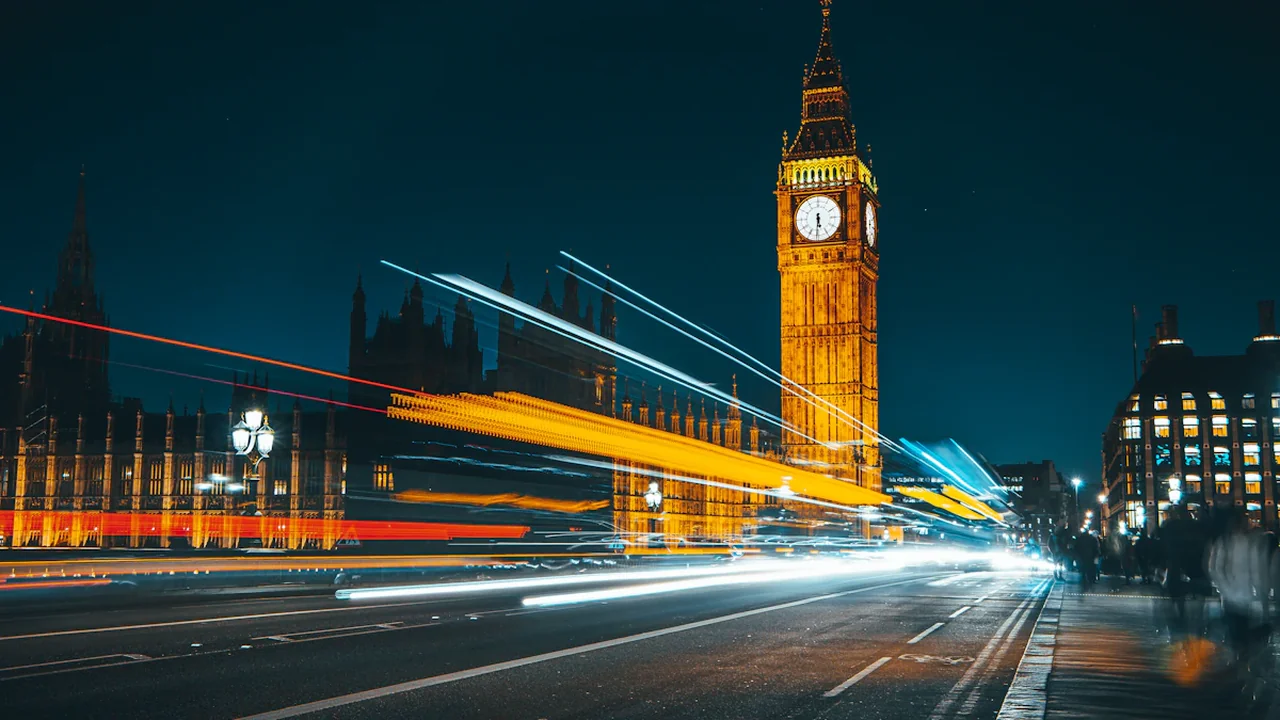
London diners, theatre-goers, concert audiences and shift workers can reduce the risk of a difficult journey home with a two-minute transport check before leaving. Review both legs of the trip, confirm the last useful service and save one realistic alternative route.
By the AtheneNet editorial team
Check the outward and return journeys separately
Open the Transport for London status page for live information covering the London Underground, London Overground, Docklands Light Railway and other TfL services. If your journey includes a mainline train, also review National Rail’s disruption page for current notices and planned engineering work.
Search the return journey using the time you realistically expect to leave—not the event’s advertised finishing time. Allow for collecting coats, leaving a crowded venue and walking to the station.
Before setting out, confirm:
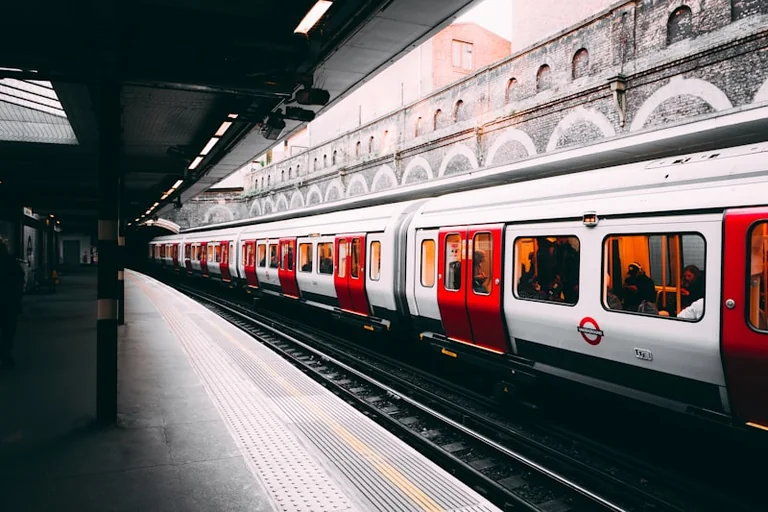
- The status of every line or operator used in both directions
- Any station closure affecting your entrance, exit or interchange
- Whether engineering work changes the late-evening route
- The accessibility of lifts, platforms and interchanges you need
Confirm the last service that completes the whole journey
Do not rely only on the final departure from central London. Check the last train for every connection, including the interchange time between services. A late first train is not useful if it arrives after the final connecting service has departed.
Where possible, aim for an earlier service rather than the absolute last train. Follow any extra-time advice shown in official alerts, particularly when replacement buses, reduced frequencies or altered stopping patterns apply.
Save one alternative route before you leave
Choose a backup that you could genuinely use late in the evening. It might involve another nearby station, a different interchange, a bus for the final section or a National Rail service from a different terminal.
Save the route or take screenshots of the important stages in case mobile reception is limited. Check that the alternative still operates at your expected departure time and does not depend on the same disrupted section as your first choice.
Plan an accessible interchange, not just an accessible train
Step-free availability can differ between entrances, platforms and directions of travel. If accessibility matters, inspect each interchange and destination station individually. Leave additional time for lifts, longer transfer routes or staff assistance, and recheck station information shortly before departure.
Use licensed options and stay connected on the way home
Ordinary evening travel does not need to be treated as inherently unsafe. Sensible planning still helps: remain with companions where practical, share significant route changes and use well-lit, staffed waiting areas when available.
If rail travel is no longer workable, use a licensed taxi or a properly booked private-hire vehicle and verify the vehicle and driver details before entering. Your final check should be the live TfL and National Rail information immediately before leaving the venue.
Source: Transport for London
Context & actions About this article
Source check How to check your journey
This guide directs readers to official TfL and National Rail pages because service conditions and last-train arrangements can change.
- Review TfL service and station status for both journey directions
- Check National Rail disruption and planned-engineering notices
- Confirm every final connection using the intended travel time
- Recheck official information immediately before leaving the venue
- Source
- Transport for London
- Scope
- London
- Updated
- 2026-09-09 16:49
Source check
Report a trust issue
Send a clear signal to community moderation if the source, facts or context need review.



Comments