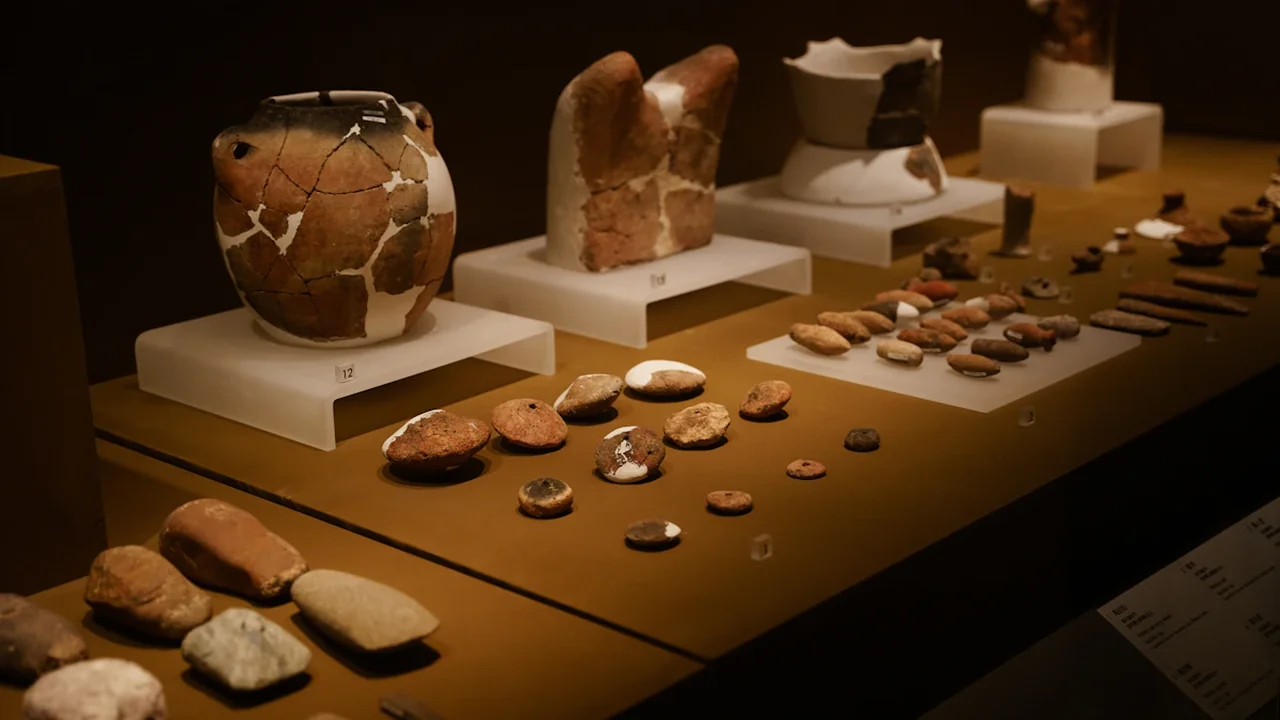
The UK’s first ancient DNA exhibition is now open at The Francis Crick Institute in London. We Go Way Back runs from 16 July 2026 to 2 July 2027, opening Wednesday to Saturday with free entry at 1 Midland Road, London, NW1 1AT. It is aimed at the general public as well as visitors interested in history, genetics and the changing story of human populations.
Created with researchers from the institute’s Ancient Genomics Laboratory, the exhibition follows fragments of genetic material recovered from ancient bones and teeth. Visitors can see how laboratory techniques and genetic sequencing help scientists investigate migration, ancestry and diseases that evolved alongside humans.
From ancient teeth to lost human histories
The route begins with the process behind ancient DNA research. Genetic fragments are extracted from bones and teeth, handled in an ultra-clean laboratory and sequenced to reveal their underlying code. Interactive displays invite visitors to search model teeth for pathogen DNA and explore how researchers identify traces of historical infections.
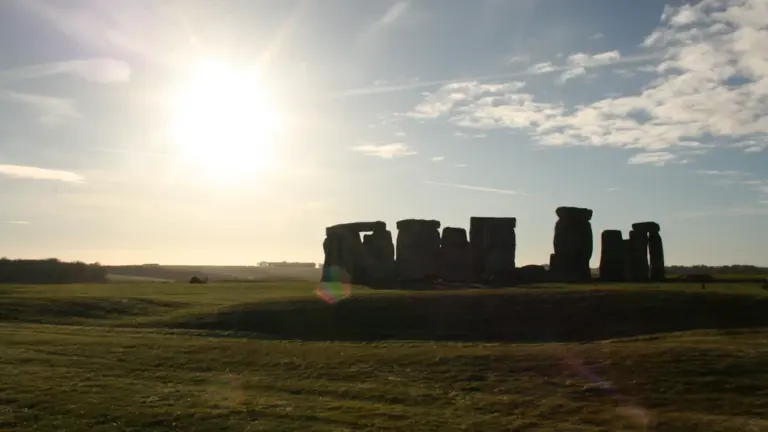
The story then reaches further back, to encounters with Neanderthals and Denisovans, before moving through changes in Britain’s population during the metal ages and Roman period. Rather than treating genetics as a replacement for archaeology or written history, the exhibition shows how DNA can add another layer of evidence—and sometimes introduce details that were previously inaccessible.
One section draws on work carried out with more than 100 museums and heritage sites across the UK. The Crick team has assembled a bank of 1,000 ancient genomes belonging to people who lived in Britain during the past 4,500 years. Visitors can untangle evidence from two studies to reconstruct individual stories, including that of a person who travelled thousands of miles to Cambridge during the Roman period.
Disease research connects the past with medicine today
Ancient DNA also preserves evidence of pathogens and inherited genetic changes. Displays examine how bacteria and viruses evolved alongside people, while shadow puppetry presents discoveries made through this research.
The exhibition includes the identification of a gene linked to inflammatory bowel disease that was present in ancient ancestors. This is presented as an example of how historical genetic material can help researchers investigate the development of modern disease, rather than as personal medical guidance.
Pontus Skoglund, Senior Group Leader of the Ancient Genomics Laboratory, said advances over the past two decades are allowing researchers to answer questions that were previously beyond the reach of genetic evidence. His team uses robotics to process hundreds of samples each month and develops computer models to interpret growing collections of human and pathogen genomes.
A holographic finale and an accompanying events programme
The final installation is Portals: Windows into Human Heritage, a holographic artwork by Sheffield-based artist Grace Lee. Developed with a participatory group and researchers from the Ancient Genomics Laboratory, it invites visitors to reflect on their own relationship with shared human history.
An accompanying programme is due to include panel discussions, expert talks and Lates. Named contributors include classicist and broadcaster Mary Beard, Pontus Skoglund and other figures working across historical and scientific research; individual programme dates are not specified in the supplied announcement.
Accessibility and planning your visit
The exhibition was developed with an access consultant and a panel of blind and visually impaired people. Films and animations have British Sign Language and captions, while Easy Read, Braille and large-print guides are available. Sensory packs can also be requested.
We Go Way Back is free and open Wednesday to Saturday at The Francis Crick Institute until 2 July 2027. The source announcement does not provide daily opening times, advance-booking requirements or detailed transport guidance, so visitors should confirm those practical details with the venue before travelling.
Source: Francis Crick Institute News
Context & actions About this article
Source check Source trail
Dates, location, admission, exhibits and accessibility provisions were drawn from information published by The Francis Crick Institute.
- Confirmed the exhibition dates as 16 July 2026 to 2 July 2027.
- Confirmed free entry and Wednesday-to-Saturday opening.
- Confirmed the venue as The Francis Crick Institute, 1 Midland Road, London.
- Kept unspecified daily hours, booking requirements and transport details clearly identifie...
- Source
- Francis Crick Institute News
- Scope
- London
- Updated
- 2026-08-11 18:08
Source check
Report a trust issue
Send a clear signal to community moderation if the source, facts or context need review.


Comments