On 9 October 1967, Ernesto “Che” Guevara was executed in Bolivia, a day after Bolivian forces captured him following a military operation in the country’s southeast. The date marks the end of his attempt to build a guerrilla movement there; the image that later made him a global political icon grew from a different history, shaped by revolution, photography and competing interpretations of his legacy.
Why Guevara was in Bolivia
Guevara had become internationally known as a leader of the Cuban Revolution, which brought Fidel Castro’s movement to power in 1959. He later left Cuba to support revolutionary movements elsewhere. In 1966, he entered Bolivia and joined a guerrilla campaign in a remote area of the country’s southeast.
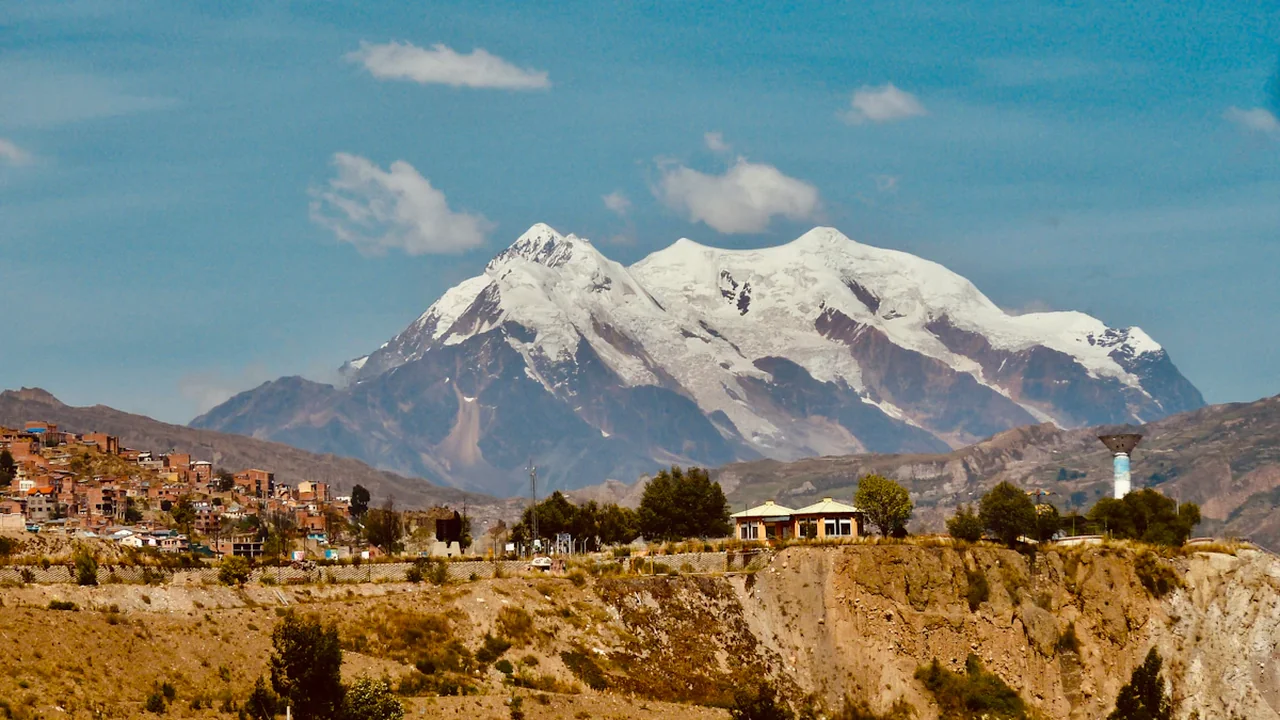
Bolivia’s setting mattered. The campaign operated far from major urban centres, in difficult terrain and among communities whose support it needed. Guevara’s group faced the Bolivian military, which was hunting the guerrillas. The effort did not develop into the broad uprising Guevara sought.
The Bolivian campaign also took place during the Cold War, when revolutionary movements and their opponents were viewed through global ideological struggles. That context helps explain why Guevara’s fate attracted attention beyond Bolivia, but it does not by itself establish the motives of every person involved in the events.
The capture and execution, day by day
The basic sequence is clear: Bolivian forces captured Guevara in October 1967, and he was executed the following day. Encyclopaedia Britannica records that he was captured and executed in Bolivia that month. The execution took place on 9 October.
- 8 October 1967: Bolivian forces captured Guevara during operations against his guerrilla group.
- 9 October 1967: He was executed in Bolivia, ending the campaign and his life at age 39.
Some details of the operation and the decisions made around Guevara’s death have been recounted differently over time. The core dates and outcome are well established; claims about individual responsibility, private conversations or a single decisive motive require more specific evidence than a short biographical summary provides.
What the date means in Bolivia
The execution was a national event with an international audience. Guevara had entered Bolivia as a foreign revolutionary, but the campaign unfolded on Bolivian ground and involved Bolivian forces and communities. Keeping that setting in view prevents the story from becoming only a chapter in Cuban history or a symbol detached from the country where it happened.
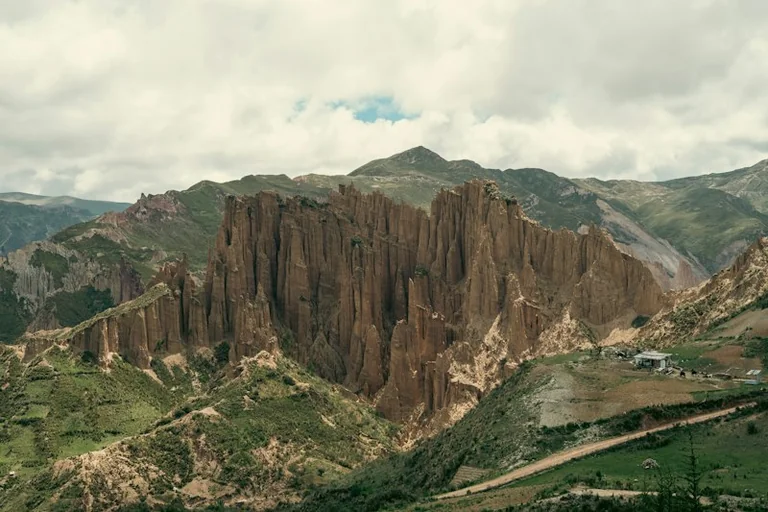
The campaign’s failure also complicates the image of Guevara as an inevitable revolutionary victor. In Bolivia, his group did not secure the widespread local support required to turn guerrilla warfare into a successful national movement. That outcome is part of the historical record alongside his earlier role in Cuba.
How Guevara became a global symbol
After his death, Guevara’s face circulated widely in photographs, posters and political art. The image became a shorthand for rebellion and anti-imperialism for some audiences. Others associate him with armed struggle and the coercive politics of revolutionary rule. These responses are not interchangeable, and the image alone cannot settle arguments about his actions or beliefs.
The familiar portrait therefore has a history distinct from the events of 8 and 9 October. Images can travel more easily than context: a photograph reproduced on a poster may evoke defiance without explaining the Bolivian campaign, its limits or the people who lived through it. Remembering the date means holding those layers together rather than treating the icon as a complete biography.
Why 9 October remains in cultural memory
The anniversary persists because it joins a specific, documented death to a much larger debate about revolution, political violence and the making of public icons. Guevara’s capture and execution in Bolivia are the historical anchor. The meaning later attached to his image varies by place and political tradition, and remains contested.
A grounded account starts with what can be stated plainly: Bolivian forces captured Guevara in October 1967, and he was executed on 9 October. It then distinguishes those events from the many ways people have used his image since. That distinction gives the anniversary its historical context without asking a symbol to stand in for the whole story.
Source: Encyclopaedia Britannica
Context & actions About this article
Source check Source note
Encyclopaedia Britannica supports the account that Guevara was captured and executed in Bolivia in October 1967; the article distinguishes that documented outline from later interpretations of his image.
- Capture and execution in Bolivia in October 1967
- Execution date: 9 October 1967
- Later political symbolism is described as contested
- Source
- Encyclopaedia Britannica
- Scope
- Bolivia
- Updated
- 2026-10-09 09:02
Source check
Report a trust issue
Send a clear signal to community moderation if the source, facts or context need review.

Comments