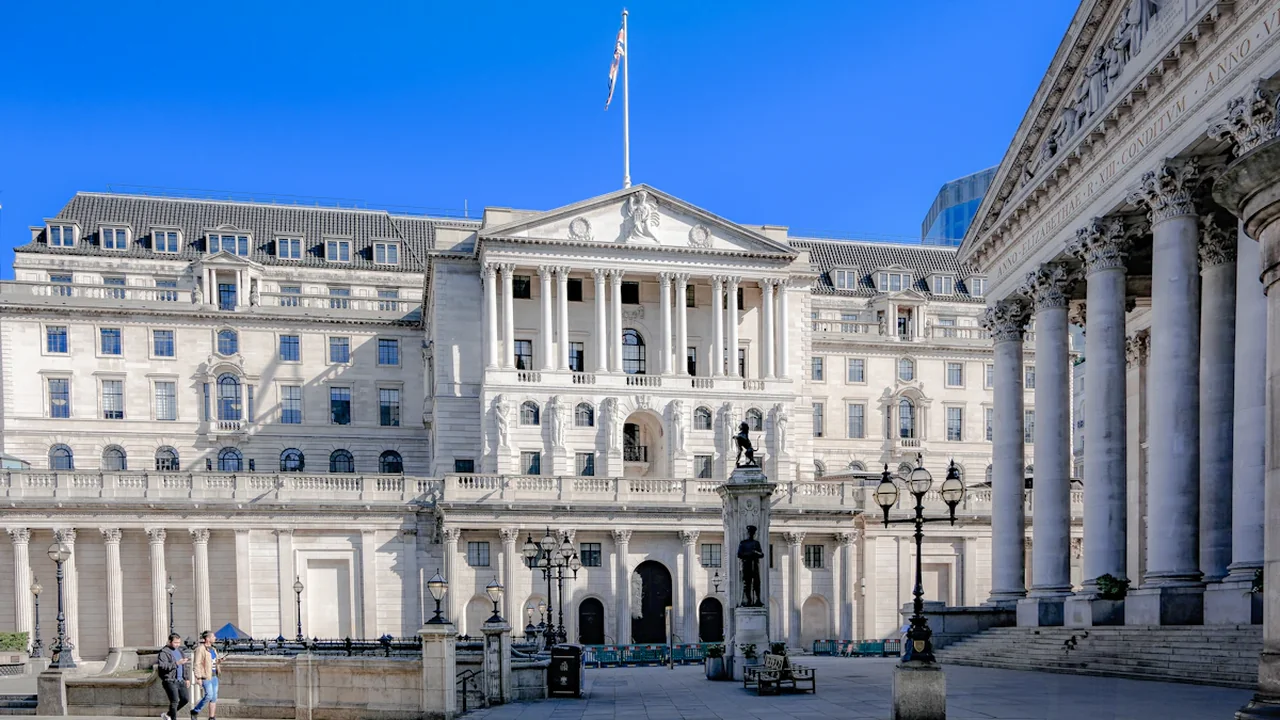
The Bank of England publishes Monetary Policy Committee decisions and maintains an official page for the current Bank Rate, but the information supplied for this forecast does not establish the next meeting date or the latest rate. Those two details matter: the scheduled decision sets the deadline, and the rate immediately before it provides the baseline for deciding whether a cut occurred.
The forecast question and deadline
Will the Bank of England announce a lower Bank Rate at its next scheduled Monetary Policy Committee decision? The relevant deadline is the date of that scheduled decision, which should be taken from the Bank’s official MPC calendar. The calendar and current-rate page should be checked before relying on a specific date or rate; neither is confirmed in the evidence available here.
- YES: The decision release announces a Bank Rate below the rate in effect immediately before the decision.
- NO: The Bank holds the rate or raises it.
- Resolution source: The Bank of England’s decision release, published through its Monetary Policy page.
This is a forecast about a public policy decision. It does not predict the effect of that decision on any individual’s mortgage, savings or borrowing costs.
What is confirmed, and what still needs checking
The Bank of England is the authoritative publisher of MPC decisions and monetary policy information. It also maintains a dedicated page for the current Bank Rate. These pages provide the public record needed to establish both the pre-decision baseline and the outcome.
The supplied source evidence does not state the current rate, the date of the next scheduled meeting or a likely committee decision. No specific rate or calendar date should therefore be treated as established by this brief. The Bank’s live pages are the places to verify them.
Before the decision, readers can check:
- The MPC calendar for the next scheduled announcement date.
- The Bank Rate page for the rate currently in force.
- The monetary policy page for the published decision when it appears.
How a cut is distinguished from a hold
Bank Rate is the interest rate set by the Bank of England’s Monetary Policy Committee. The resolution rule compares the rate announced in the decision with the rate in force immediately beforehand. A reduction counts as a cut even if it is small; an unchanged rate is a hold, and an increase is a rise.
The comparison is about the announced Bank Rate itself. It does not depend on how markets, commentators or individual lenders describe the decision, and it does not require a particular size of reduction. The Bank’s release is the evidence of the outcome.

YES: the announced rate is lower
A YES outcome requires the Bank’s decision release to show a lower Bank Rate than the pre-decision rate. For example, if the rate in force before the announcement were 4.00% and the committee announced 3.75%, that would meet the rule. Those figures are an illustration, not a statement of the current rate or a forecast.
NO: the rate is unchanged or higher
A decision to keep the same rate resolves NO, even if the accompanying statement signals that a cut could be considered later. An increase also resolves NO. The forecast concerns the decision announced at the next scheduled meeting, not a later meeting or a change made between meetings.
Why the decision matters beyond the headline
Bank Rate is a reference point for borrowing and saving across the UK economy. Changes can affect the rates lenders offer, though the pass-through is not always immediate or identical. For people with a variable-rate mortgage or savings account, the terms of their own product and their provider’s response determine the practical effect.
A single MPC decision is also only one part of the monetary policy picture. The committee’s statement and any accompanying explanation can help readers understand how it views inflation and the economy, but they do not alter the binary outcome rule: the announced rate either falls, stays the same or rises compared with the pre-decision level.
Where to verify the result
The Bank’s Monetary Policy page is the appropriate place to find the decision release. The Bank Rate page provides the Bank’s published rate information. Together with the official MPC calendar, these pages let readers check the deadline, establish the rate baseline and confirm the result from the Bank itself.
The key next check is the calendar entry for the next scheduled MPC decision. Once that date is established, compare the rate shown immediately before the announcement with the rate in the Bank’s decision release. That comparison determines whether the forecast resolves YES or NO.
Source: Bank of England
Context & actions About this article
Source check How the forecast is resolved
The next scheduled decision date, pre-decision Bank Rate and outcome should be checked against the Bank of England’s public pages.
- Check the official MPC calendar for the next decision date.
- Confirm the rate in force before the announcement on the Bank Rate page.
- Use the Bank’s decision release to determine whether the rate fell, held or rose.
- Source
- Bank of England
- Scope
- United Kingdom
- Updated
- 2026-10-09 10:50
Source check
Report a trust issue
Send a clear signal to community moderation if the source, facts or context need review.



Comments