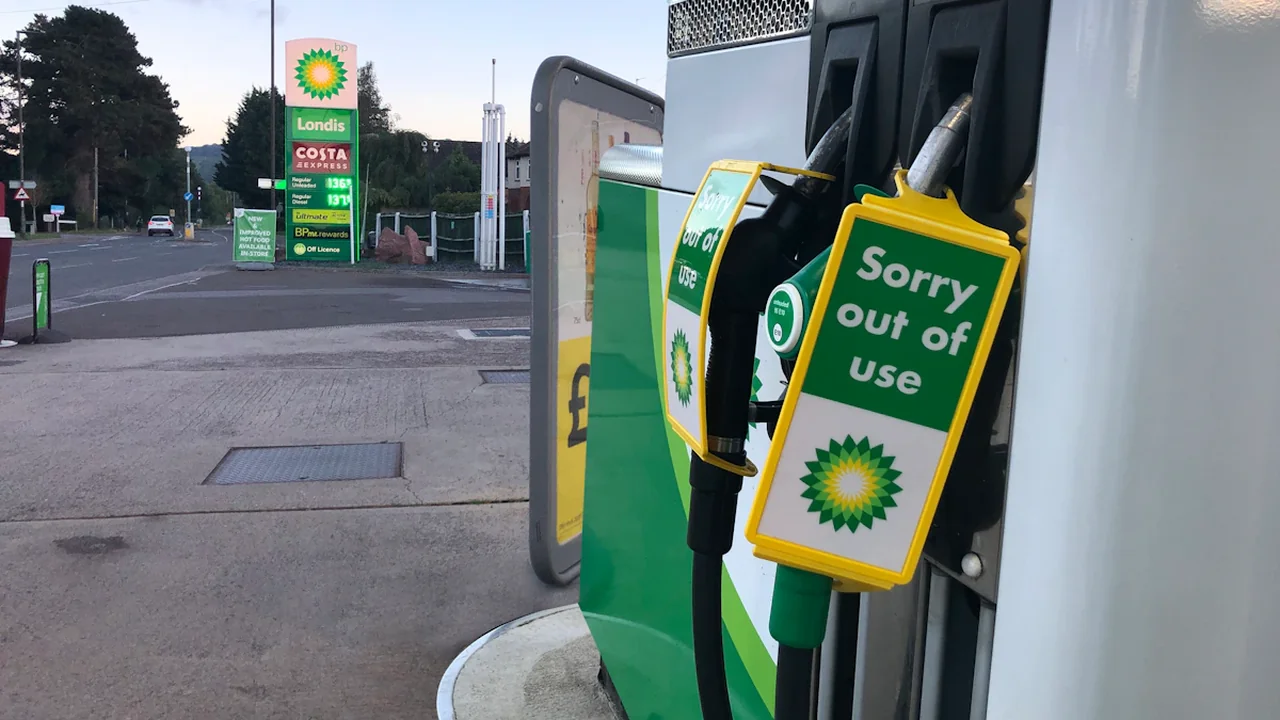
Small changes to route planning, tyre pressure, driving style and refuelling can reduce fuel use on ordinary UK journeys. The biggest savings usually come from avoiding unnecessary miles, keeping tyres correctly inflated and comparing nearby pump prices before filling up, rather than relying on a single national price claim.
Start with the journey, not the fuel gauge
The cheapest mile is the one you do not need to drive. Before setting off, check whether several errands can be combined into one trip, whether a shorter route is practical, and whether traffic conditions make an apparently short route slow and stop-start.
A route that is slightly longer on a map may use less fuel if it avoids repeated queues, steep climbs or frequent junctions. However, a motorway diversion is not automatically more efficient. Compare the total distance, likely traffic and speed limits before choosing.
Navigation apps can help identify delays, but treat suggested shortcuts carefully. A route through residential streets may save a few minutes while adding turns, hills and idling. For a regular commute, compare the actual mileage over several journeys rather than judging one trip in isolation.
Why tyre pressure and extra weight matter
Tyres that are below the vehicle manufacturer’s recommended pressure can increase rolling resistance, making the engine work harder. Check the correct pressure in the handbook, on the vehicle information label or through the manufacturer’s guidance. Some cars list different pressures for normal driving and a heavily loaded vehicle.
Check pressures when the tyres are cold and use a reliable gauge. Do not use the maximum pressure printed on the tyre sidewall as the everyday setting; that figure is not necessarily the car’s recommended operating pressure.
Heavy loads also increase the energy needed to move the vehicle. Remove tools, sports equipment, roof boxes and other items that are not needed. A roof rack or box can create additional aerodynamic drag, particularly at higher speeds, so take it off when it is not being used.
These checks are also about safety. Fuel economy should never come at the expense of correct tyre pressure, legal tyre condition or a properly secured load.
Use smoother acceleration and less unnecessary idling
Aggressive acceleration and late braking waste energy. Build speed progressively, look further ahead and lift off early when traffic is slowing. This reduces the need for sharp braking followed by another burst of acceleration.
On open roads, use the highest suitable gear without labouring the engine, and follow the vehicle handbook’s advice for automatic driving modes. Cruise control can help maintain a steady speed on suitable roads, although it may be less useful on hills, in heavy traffic or on slippery surfaces.
Avoid leaving the engine running while parked. Short periods of idling may seem insignificant, but repeated waiting outside schools, shops or homes adds fuel use without moving the car. Switch off when it is safe and lawful to do so, while allowing for demisting, heating, cooling and other safety needs.
Air conditioning and electrical equipment also require energy, although turning them off should not compromise visibility or comfort to an unsafe level. Clear windows properly and use the car’s controls as intended.
Compare local pump prices before refuelling
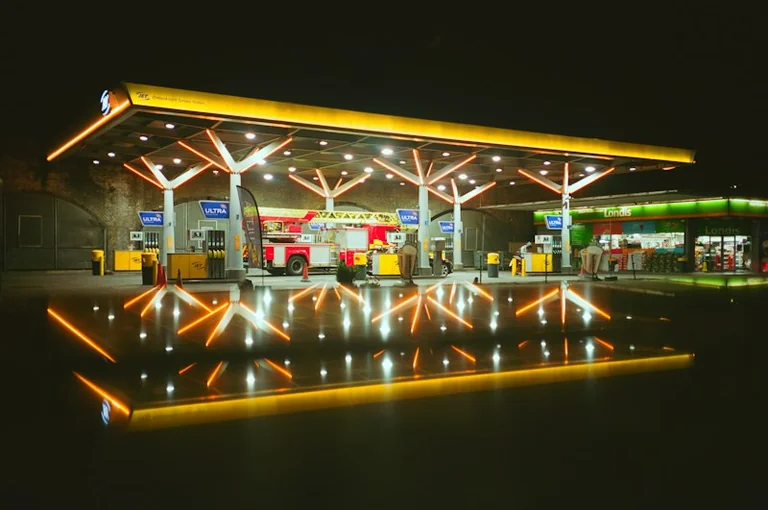
Petrol and diesel prices can vary between retailers and locations. A forecourt near a motorway, airport or major interchange may have different pricing from a supermarket or independent station a short distance away. The difference on one fill-up may be modest, but regular drivers can notice it over time.
Before filling up, check current local information through a reliable fuel-price service, retailer listings or consumer guidance. The RAC provides fuel-price information and advice for UK motorists, while the UK Government has published material on transparency in road-fuel pricing.
Use current information rather than assuming that one brand, supermarket or station is always cheapest. Prices can change, and a longer drive to save a few pence per litre may cancel out the saving. Compare the extra distance with the amount of fuel you need and the price difference available.
A simple calculation can help:
- Estimate how many litres you expect to buy.
- Multiply that amount by the price difference per litre.
- Compare the saving with the fuel used to reach the cheaper station.
- Include parking, detours and the value of your time where relevant.
For example, a small price reduction may be worthwhile if the station is already on your route, but not if it requires a separate journey.
A practical check before each longer trip
Use this short routine before a weekly shop, commute or motorway journey:
- Remove unnecessary items from the boot and roof.
- Check tyre pressures against the vehicle manufacturer’s recommendation.
- Combine errands and compare realistic routes.
- Look for congestion, road closures and steep detours.
- Check nearby petrol or diesel prices before leaving.
- Plan a refuelling stop away from the motorway if it is convenient and safe.
- Drive smoothly and avoid carrying unnecessary speed into queues.
Do not run the tank dangerously low to chase a cheaper pump. Keep enough fuel for changing traffic, diversions and unexpected delays, especially on rural routes or in poor weather.
What official guidance can and cannot tell you
The Department for Energy Security and Net Zero has published material concerning transparency in road-fuel pricing. That provides broader market context, but it does not establish that a particular station is cheapest today.
Likewise, RAC fuel guidance can help motorists understand prices and compare options, but local pump prices remain time-sensitive. A dated price listing is stronger evidence for a specific station than a general statement about a retailer or region.
For household budgeting, the most dependable approach is to combine current local price checks with choices you control every day: fewer unnecessary miles, correctly inflated tyres, lighter loads and smoother driving. Those actions remain useful even when pump prices move in either direction.
The next check that matters
Before the next fill-up, compare the current price at stations already near your route, then check your tyre pressures and planned mileage. Reassess the calculation whenever prices change, your journey changes or you add a roof box or heavy load.
Source: UK Government
Context & actions About this article
Source check How the guidance is grounded
The driving and maintenance advice is paired with UK Government transparency material and RAC consumer fuel guidance; local prices remain time-sensitive.
- Compare current local pump prices before refuelling
- Use the vehicle manufacturer's recommended tyre pressure
- Treat retailer and location comparisons as time-sensitive
- Do not assume a national or branded price is always cheapest
- Source
- UK Government road-fuel price transparency
- Scope
- United Kingdom
- Updated
- 2026-09-21 08:48
Source check
Report a trust issue
Send a clear signal to community moderation if the source, facts or context need review.

Comments