By AtheneNet editors
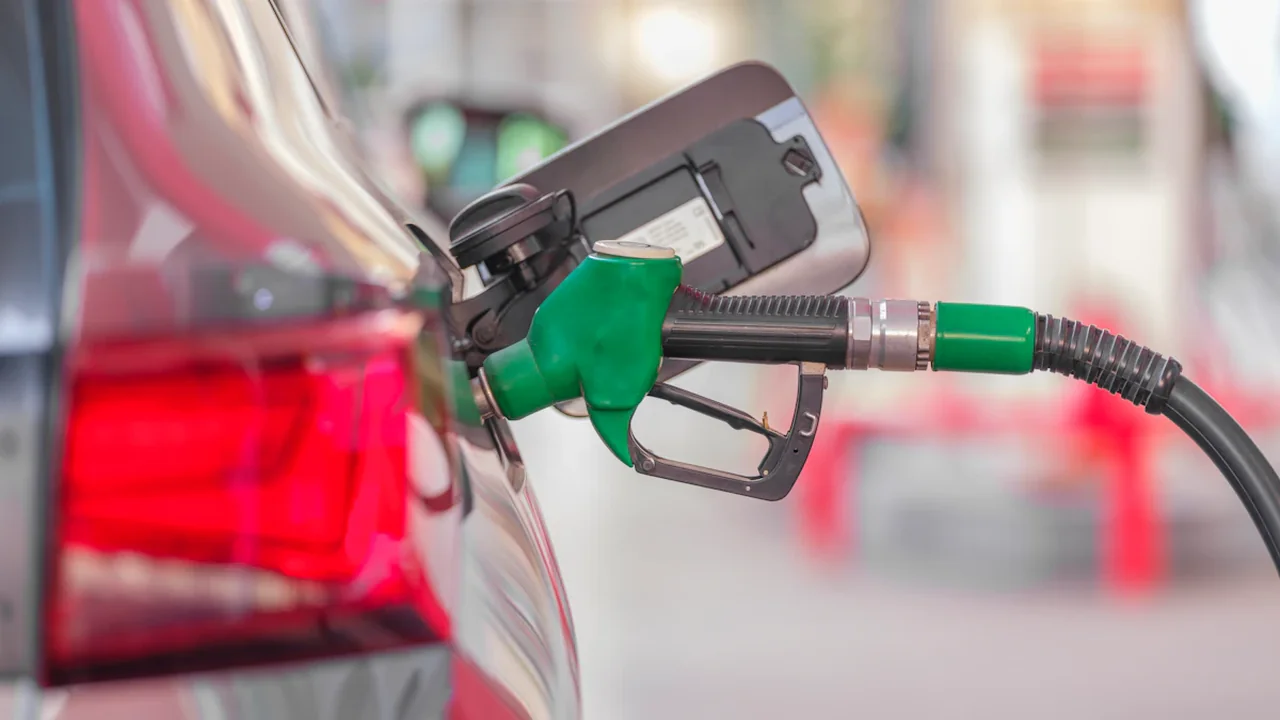
A journey’s petrol cost depends on the miles you drive, the fuel your car uses per mile and the price you can actually pay at the pump. Estimate both routes before setting off, then check whether a cheaper filling station is worth any extra driving. A UK average can provide context, but it may differ from the price available on your journey.
Calculate the petrol cost of a journey
Start with the distance you expect to drive, including any return leg. Use your car’s real-world fuel economy if you know it. A figure from recent trips is often more useful for budgeting than an official test figure, especially if this journey involves different roads or traffic.
If your fuel economy is in miles per imperial gallon (mpg), use this calculation:
Trip miles ÷ mpg × 4.546 × pump price per litre = estimated petrol cost
The 4.546 converts imperial gallons to litres. Enter the pump price in pounds: 145p per litre, for example, becomes £1.45. If your car reports litres per 100 kilometres instead, convert the route distance to kilometres and use: kilometres × litres per 100 kilometres ÷ 100 × price per litre.
A phone calculator is enough. Keep the units consistent and round the final answer to the nearest penny. The result estimates the value of the petrol used on the trip; it is not necessarily the amount you will pay at a filling station that day. You might start with a full tank, buy more fuel than the journey uses or finish with petrol left over.
A hypothetical 150-mile journey
Suppose a driver is planning a 150-mile trip. Their car averages 45 mpg, and a station they could use charges a hypothetical 145p per litre. These figures illustrate the calculation; 145p is not a statement of the current UK price.
- Petrol used: 150 ÷ 45 × 4.546 = about 15.15 litres.
- Estimated cost: 15.15 × £1.45 = about £21.97.
If the trip is 150 miles each way, calculate 300 miles rather than 150. At the same economy and hypothetical price, the petrol estimate doubles to about £43.94. Add planned diversions before calculating, rather than treating the map’s shortest route as the distance you will certainly drive.
The estimate will change if the car achieves a different mpg. Heavy traffic, cold starts, hills, vehicle load and driving speed can all affect consumption. If you have recorded several similar trips, using their average mpg gives you a more grounded starting point. For a household budget, rounding the estimate up may leave room for delays or a modest change in route.
Compare routes using the same assumptions
To compare two routes fairly, calculate the petrol used on each with an economy figure suited to its driving conditions. A longer motorway route may involve steadier movement, while a shorter local route may include more stops. Neither is guaranteed to use less petrol: the answer depends on the car and the journey.
For a simple comparison, suppose the alternative to the 150-mile trip is 165 miles. If both routes return 45 mpg and petrol costs the same hypothetical £1.45 per litre, the extra 15 miles costs about £2.20 in petrol. The longer route might still suit the driver if it saves time, but fuel alone would favour the shorter one under those assumptions.
Check other route costs separately. A toll, parking charge or congestion charge is not included in the petrol formula. Time also matters, although it has no universal cash value. Write down each route’s estimated fuel cost and any fixed charges, then make the choice that fits the whole trip.
Check the price you can actually pay
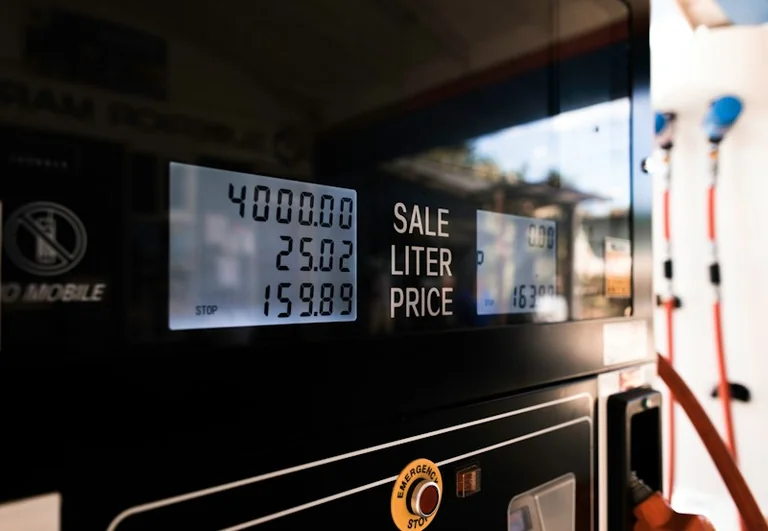
Pump prices can differ between nearby stations, including motorway services and stations away from the motorway. Location, operating costs and competition can affect the price a retailer sets. There is no reliable rule that every motorway station will cost more than every local one, so compare specific stations you could reasonably reach.
Before travelling, check a recent price listing for a convenient station, then confirm the displayed price when you arrive. RAC Fuel Watch provides UK fuel-price monitoring and context, but a national figure does not replace the price at your chosen pump. This guide does not quote a current UK average because one has not been checked for publication.
A cheaper station is useful only if the saving justifies reaching it. For example, a hypothetical 5p-per-litre saving on a 40-litre fill is £2. If reaching that station adds six miles, a car averaging 45 mpg uses about 0.61 litres on the detour. At the hypothetical £1.45 per litre, that extra driving costs about 88p in petrol, leaving roughly £1.12 of the apparent saving. The exact result depends on the route, your fuel economy and the prices you find.
For the next trip, note the distance of each practical route, use an mpg figure that reflects your driving, and check a reachable pump price shortly before you leave. Recalculate if the route or price changes.
Source: RAC
Context & actions About this article
Source check How the estimate works
The worked example uses hypothetical prices and imperial mpg; check a reachable pump price for your own trip.
- Use the full distance you expect to drive.
- Use real-world fuel economy where available.
- Check the price at a station you could use.
- Source
- RAC Fuel Watch
- Scope
- United Kingdom
- Updated
- 2026-09-24 10:15
Source check
Report a trust issue
Send a clear signal to community moderation if the source, facts or context need review.




Comments