By AtheneNet
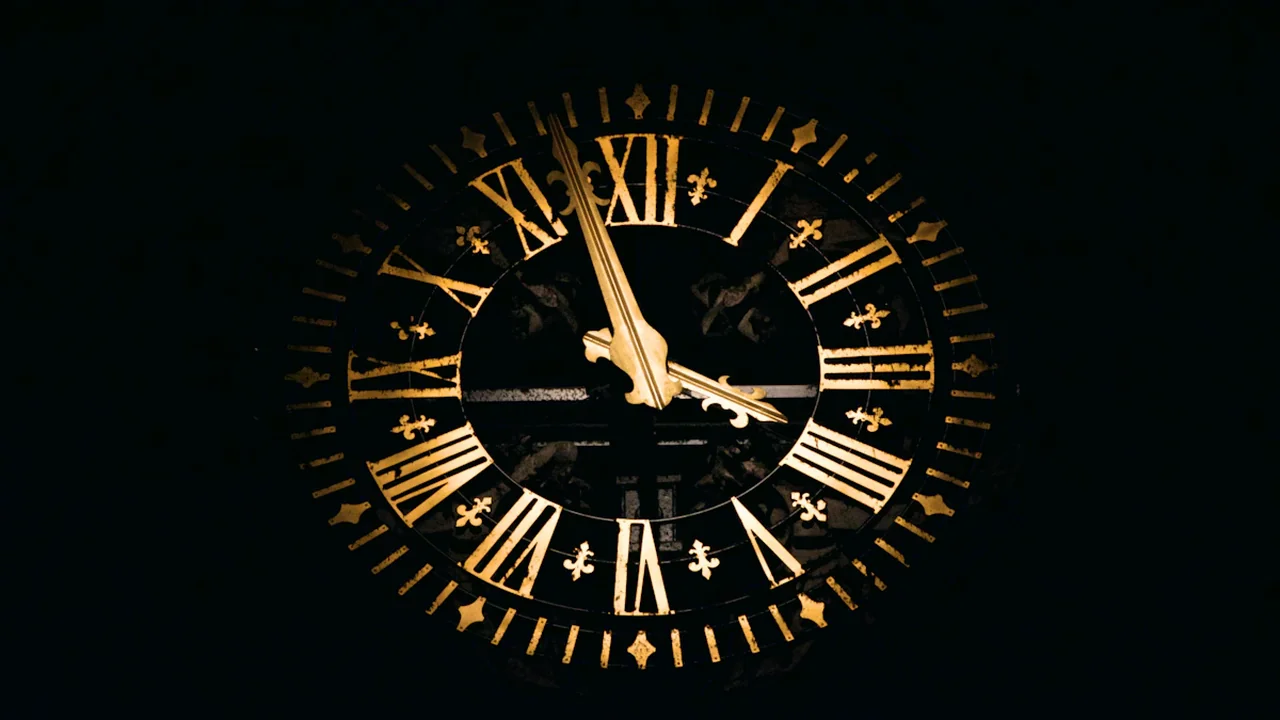
UK clocks go back one hour on Sunday 25 October 2026. At 2am British Summer Time (BST), the time becomes 1am Greenwich Mean Time (GMT). The change affects anyone keeping time in the UK: mornings will appear lighter by the clock, while evenings will get dark earlier by the clock. Before the weekend, check any clocks you set by hand and the local time shown on travel bookings.
Why the UK moves from BST to GMT in October
BST is the name for the period when UK clocks run one hour ahead of GMT. When that period ends in autumn, clocks return to GMT. The UK Government’s clock-change guidance sets out the change and the relationship between the two time standards.
The rule gives the UK a different clock setting for part of the year. In spring, clocks move forward into BST. In autumn, they move back to GMT. The October change happens in the early hours of a Sunday, when fewer people are likely to be travelling to work or school.
The repeated hour can look odd on a digital schedule: 1.30am occurs once during BST and again after the switch to GMT. For most households, the immediate result is simpler. A clock that does not update itself will show a time one hour ahead of the new UK time until someone adjusts it.
How changing the clocks became a UK practice
The UK first introduced summer time in 1916, during the First World War. Moving clocks forward in the warmer months was intended to make more use of daylight during ordinary waking hours. The practice continued beyond the war and became part of the country’s annual calendar.
Its history helps explain the phrase “summer time”. BST is a change to the clock, not a different kind of sunlight. In October, returning to GMT brings clock time back into line with the time standard named for Greenwich. It does not alter when the sun rises or sets.
That distinction is easy to miss because the change is felt through familiar routines. A person leaving home at the same clock time on the Monday after the switch may notice more morning light than they did the previous week. The same person may find that a late afternoon journey now takes place closer to dusk. Seasonal changes in daylight continue before and after the clocks move, so the difference will not stay fixed through winter.
What happens to morning and evening light
Putting clocks back shifts daylight earlier relative to the times displayed on them. If sunrise would have been shown as 8am under BST, the same moment would be shown as 7am under GMT. Sunset moves an hour earlier on the clock too. These are illustrations of the time change, not forecasts of sunrise or sunset on 25 October.
The practical effect depends on a person’s schedule. Someone who starts work early may welcome a brighter journey in the morning. Someone walking home later may encounter darkness sooner by the clock. Families may notice the change around school runs, outdoor activities or evening errands.
No daylight is created or lost by changing the clocks. The UK’s hours of natural light change with the seasons; the clock change alters where that light falls within the hours used for appointments and daily routines. As autumn progresses, mornings and evenings will continue to change with the season.
Which clocks and plans are worth checking
Many phones, computers and connected devices change automatically when their time zone is set correctly. Clocks that are set by hand may need attention, including wall clocks, watches, car displays, ovens, heating controls and older alarm clocks. A quick check on Sunday morning can prevent a missed appointment on Monday.
Travel plans deserve a separate look, especially around the overnight switch. Confirm the departure time printed on a ticket or booking, and check any connection that crosses a time zone. For an overnight journey, the repeated hour between 1am and 2am can make a timetable harder to read without its stated local time.
If you rely on a timed heating programme, alarm or other household setting, check both the displayed time and the scheduled action after the change. The useful question is whether the device has updated itself, rather than whether every clock in the home looks consistent at first glance.
The next UK switch after October is the move forward into BST in spring. For the immediate change, the UK Government clock-change page is the place to check the official date and time before making plans.
Source: UK Government
Context & actions About this article
Source check About the clock change
The date, changeover time and BST-to-GMT distinction are drawn from UK Government clock-change guidance.
- Check the 2026 autumn change date and time on the UK Government page.
- Check whether household devices update their clocks automatically.
- Check the local time shown on overnight travel bookings.
- Source
- UK Government: When do the clocks change?
- Scope
- United Kingdom
- Updated
- 2026-10-03 08:43
Source check
Report a trust issue
Send a clear signal to community moderation if the source, facts or context need review.




Comments