By AtheneNet History Desk | 27 September 2026
On 27 September 1825, the Stockton and Darlington Railway opened in North East England. Its importance lies in showing how a public railway could carry goods and people in an age when steam locomotives were becoming practical. For ordinary travellers, change was gradual: the opening did not create a national passenger network overnight, but it helped establish a model that would reshape journeys, work and access to goods across Britain.
The railway connected the Darlington area with Stockton-on-Tees and served the movement of coal. That local purpose matters. A railway was useful because it linked places where goods were produced with places where they could be sold or shipped. Passenger travel was part of the story, but the line’s early role cannot be understood through passengers alone.
A railway built around North East England’s trade
Before railways became familiar routes between cities, moving heavy goods over land was slow and costly. Coal was particularly demanding: it had to travel in large quantities, and its price could rise with every stage of transport. The Stockton and Darlington Railway offered a more dependable route through a region where coal and trade were central to daily life.
Its setting also explains why the line mattered beyond its immediate neighbourhood. Stockton-on-Tees provided a connection to trade by water, while Darlington and the surrounding area formed part of the railway’s inland route. Bringing those places together by rail demonstrated a practical use for the technology, not simply an impressive journey on opening day.
A better goods route could affect people who never boarded a train. Businesses needed fuel and materials; households bought products whose prices reflected transport costs. A railway did not automatically make every item cheap or available everywhere. It did, however, show how carrying heavy loads more efficiently might change what shops and employers could obtain.
What made the 1825 opening significant
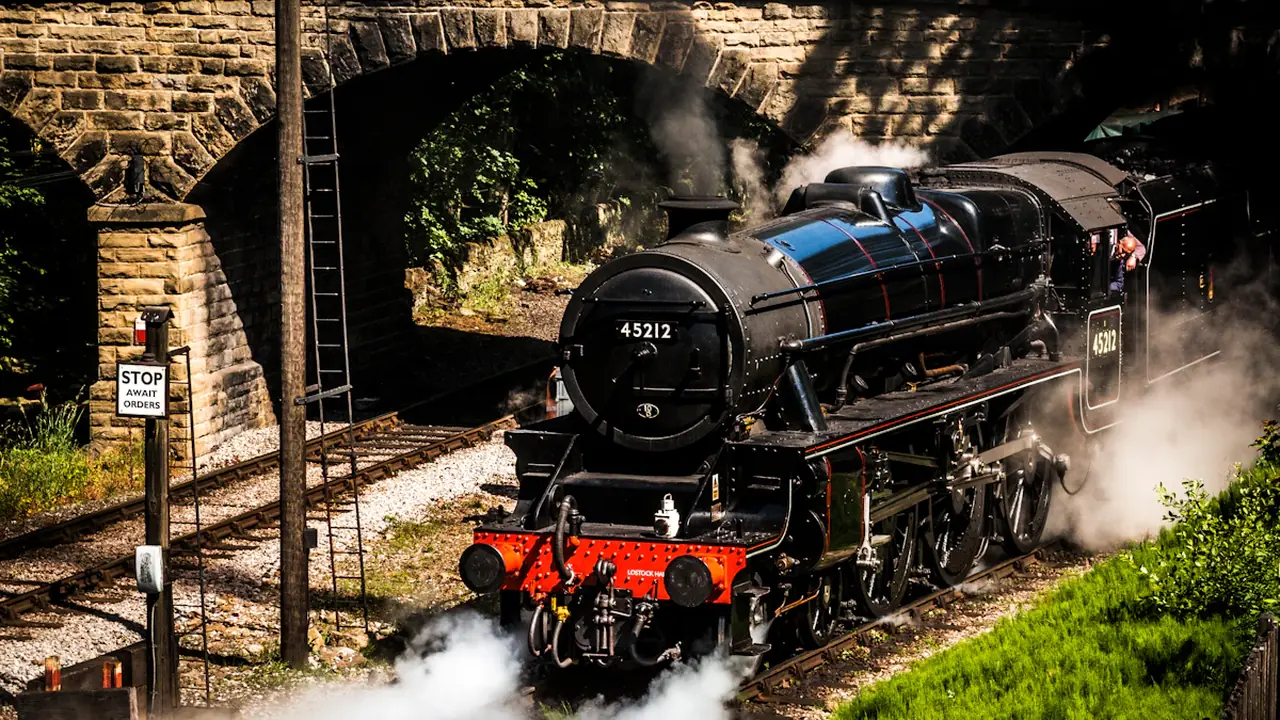
The Stockton and Darlington Railway became a landmark in the early railway age because it was a public line associated with steam locomotive operation. Public railway did not mean that every service resembled a modern passenger train. The line carried different kinds of traffic, and horse power remained part of early railway operation alongside steam.
That mix is easy to miss when the opening is represented by a single locomotive. Steam power attracted attention because it suggested that engines could move substantial loads along rails. Yet the broader achievement was a working transport route with commercial uses. Its significance came from putting railway ideas into operation where goods, operators and travellers had reasons to use them.
The opening also helped make rail transport easier to imagine elsewhere. Later railway builders could look at a functioning line and consider how tracks, vehicles and services might serve their own towns. The Stockton and Darlington Railway did not supply a finished plan for every railway that followed. It gave the growing industry a visible example from which to learn.
Was it the first railway?
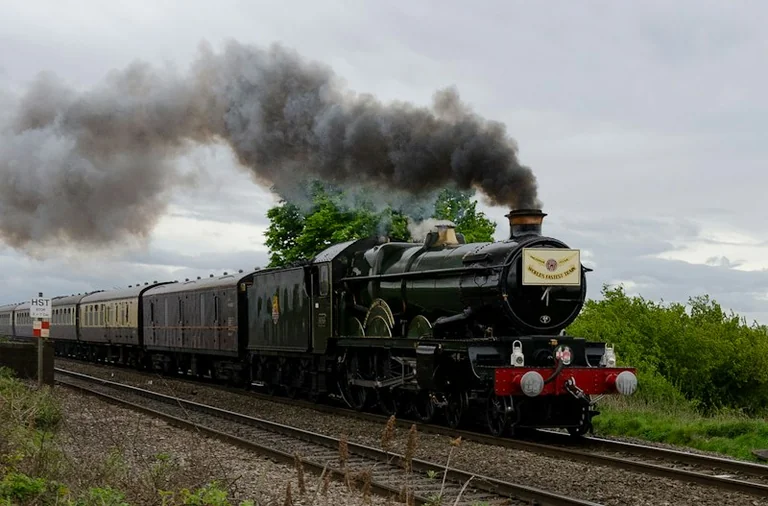
Calling the Stockton and Darlington Railway simply “the first railway” leaves out important history. Rails and wagonways existed before 1825, including routes built to move minerals. Steam locomotives had also been tried before this line opened. The distinction lies in the combination of a public railway, steam locomotive use and a service that became an influential example for later development.
Nor should its opening be confused with the arrival of regular steam-hauled passenger travel everywhere. Early railways used different arrangements for goods and passengers, and railway services changed over time. A precise description of the Stockton and Darlington Railway is more useful than a sweeping first-of-everything claim: it was a pioneering public railway whose operation helped advance the case for steam-powered rail transport.
That qualification does not diminish the anniversary. It explains why the date deserves attention. The line marks a stage between earlier industrial rail routes and the more extensive passenger and freight systems that later became part of British life.
How railways later changed ordinary journeys
For someone making a journey in 1825, the existence of one railway did not remove the need for walking, coaches, carts or boats. The larger change came as rail routes multiplied. Travellers gained ways to cover longer distances with more predictable schedules, while towns connected by rail became easier to reach for visits, business and, eventually, regular work.
That development affected where people could look for opportunities. A wider transport network could bring workers and employers into closer contact and make journeys that had once consumed much of a day more manageable. Access remained unequal: it depended on where lines were built, the services available and what a traveller could afford. Railways changed the possibilities of travel before they made those possibilities available to everyone.
Goods moved through a similarly expanding network. Rail transport helped producers reach markets farther away and gave businesses new ways to receive fuel, food and materials. As those links grew, a shopper’s choices and a workplace’s supplies increasingly depended on journeys taking place far beyond the local area.
The anniversary is therefore a chance to see the Stockton and Darlington Railway at its proper scale. It began as a line serving specific places and trade in North East England. Its lasting importance is the part it played in proving that rail could become a practical public transport system. When a railway is described as a historic “first,” the useful next question is: first in what sense—rails, steam power, public access or passenger service? That distinction makes the story of 1825 clearer.
Source: S&DR200
Context & actions About this article
Source check Historical context
S&DR200 marks the railway's 1825 opening; this explainer distinguishes that milestone from broader claims about railway firsts.
- The Stockton and Darlington Railway opened in 1825.
- Its historical significance should be described more precisely than “the first railway.”
- Source
- S&DR200
- Scope
- North East England
- Updated
- 2026-09-27 08:39
Source check
Report a trust issue
Send a clear signal to community moderation if the source, facts or context need review.



Comments