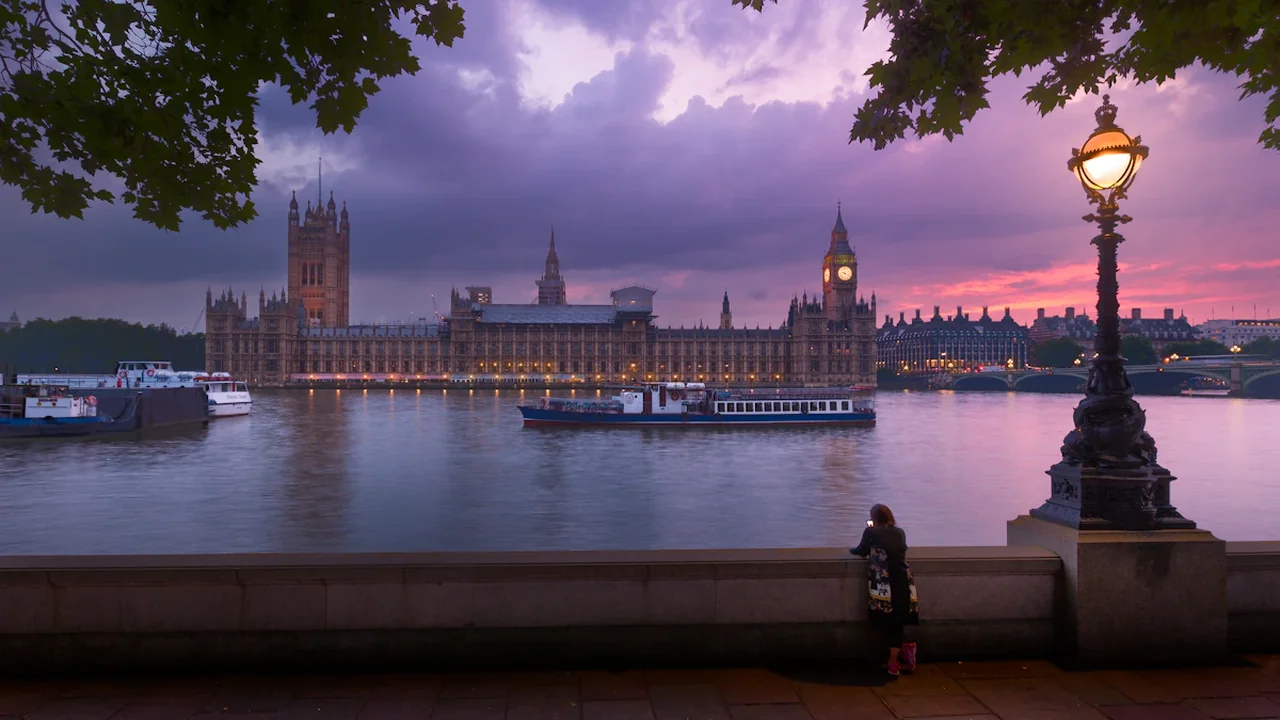
The UK clocks go back on Sunday 25 October 2026, ending British Summer Time (BST) and returning to Greenwich Mean Time (GMT). At 2am, the clocks move back to 1am. For anyone travelling, working or making plans that Sunday, the immediate effect is an extra hour on the clock—and a sunset that appears an hour earlier by local clock time. The UK government’s clock-change page gives the current rule and dates.
The change does not make the sun set sooner. It changes the time shown on clocks relative to daylight. Autumn days are already growing shorter; moving the clocks back makes that loss of evening light more noticeable in everyday routines. It also puts more daylight into the morning by the clock.
What happens when British Summer Time ends
BST is the UK’s summer time: clocks run one hour ahead of GMT. When BST ends in autumn, the UK returns to GMT. The change happens in the early hours of Sunday, so the hour between 1am and 2am occurs twice—first under BST, then under GMT.
That repeated hour matters most if you are awake, working or travelling overnight. A shift, journey or booking that crosses the change can look confusing when two events carry similar clock times. Check whether a timetable states BST, GMT or another time zone, and follow any specific instructions from the transport operator or employer.
For most people, the clearest difference arrives later that day. A walk or journey home at a familiar clock time may take place in dimmer light than it did the previous week. Morning activities may have more daylight at the same clock time. The actual length of the day continues to change gradually with the season; the clock change shifts how that daylight lines up with schedules.
Why Britain began changing its clocks
The idea behind summer time was to make better use of daylight during the warmer part of the year. Campaigners argued that moving the clock forward would give people more usable light in the evening. Britain introduced summer time during the First World War, when saving resources was also a public concern. The UK government’s account of clock changes provides the current rules and historical context.
That history helps explain a feature of the system that can otherwise seem odd in October. BST moves an hour of daylight, as measured by the clock, towards the evening in spring and summer. Returning to GMT in autumn reverses that shift. It does not restore the long days of summer: by late October, the sun is already rising later and setting earlier because of the season.
The names can be useful when reading older records or making international plans. GMT is the UK’s standard time during winter; BST is one hour ahead of it. A time shown simply as “UK time” can therefore mean a different offset from GMT depending on the date. When a precise meeting or departure time matters, the date and time zone belong together.
How darker evenings affect travel and routines
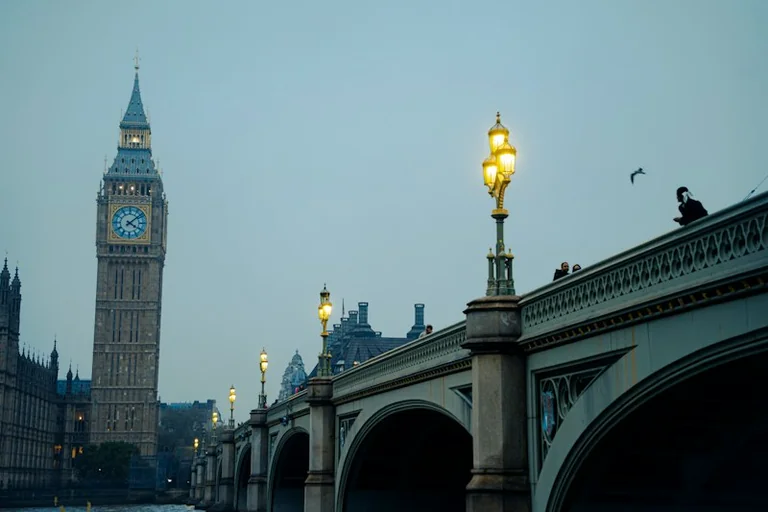
The practical change is often felt on routes people know well. A commute, school pickup or regular errand that was made in daylight may fall after dusk by the clock. If part of the journey is on foot or by bicycle, check lights and visibility before the first weekday trip after the switch. Drivers should allow for the change in light on familiar evening routes too.
Plans spanning countries need an additional check. Other places may change their clocks on different dates, or may not change them at all. An international call that usually fits neatly into a routine can shift by an hour relative to someone abroad. Use the time zone shown on the invitation or itinerary rather than assuming the usual time difference still applies.
For rail, coach and air travel, rely on the operator’s dated booking or live timetable. Overnight services deserve particular attention because they may pass through the repeated hour. If a departure or arrival time looks ambiguous, confirm it with the operator before travelling.
The switch can also affect habits at home. A familiar evening activity may suddenly take place after sunset, while an early morning task may feel brighter. The extra clock hour does not guarantee an extra hour of sleep, especially for people with fixed duties or children who wake at their usual time. It can help to check the next day’s commitments and adjust alarms or reminders where needed.
Which clocks need changing by hand
Many phones, computers and connected devices update automatically when their time zone and automatic date-and-time settings are correct. An analogue wall clock, oven clock or basic car display may need changing by hand. Check each device you use for an alarm, appointment or departure; a clock that is an hour out can remain unnoticed until Monday morning.
For digital calendars, look at appointments close to the change and confirm the displayed time zone, especially for meetings with people outside the UK. If you are setting an alarm during the repeated hour overnight, check how that device handles the switch. The simplest final check is the UK government’s clock-change page, followed by the dated information from any service you plan to use.
Source: UK Government
Context & actions About this article
Source check Time-change context
The UK government sets out when clocks change and how British Summer Time relates to Greenwich Mean Time.
- Check the 2026 autumn date on the UK government’s clock-change page.
- Check operator timetables for journeys during the repeated overnight hour.
- Check automatic time-zone settings on devices used for alarms.
- Source
- UK Government
- Scope
- United Kingdom
- Updated
- 2026-09-24 10:13
Source check
Report a trust issue
Send a clear signal to community moderation if the source, facts or context need review.




Comments