
UK drivers can use the Department for Energy Security and Net Zero’s weekly petrol and diesel figures as a national benchmark, then compare them with prices at nearby forecourts before deciding where to fill up. The collection’s latest publication date matters: no verified figures or release date were supplied here, so this guide does not state a price for 12 October or imply a same-day change.
Check the date and fuel type first
The government collection publishes weekly road-fuel price information. Look for its latest release and note the date attached to the figures. A weekly average describes prices across the period and locations represented in the data; it is not a live quote for today.
Petrol and diesel are separate comparisons. Make sure you match the fuel you use, and check that any forecourt prices you compare are also for the same fuel and are current. A price seen on a sign, station website or comparison service may have been recorded at a different time.
| Fuel | Latest verified UK average and date |
|---|---|
| Petrol | Not supplied in the available evidence |
| Diesel | Not supplied in the available evidence |
The figures above are deliberately left blank: the official collection is the place to verify the latest values and publication date. Do not treat an older release, an undated figure or a search result snippet as a confirmed current price.
Compare the benchmark with nearby forecourts
Once you have checked the latest published figures, compare them with prices at stations you could realistically use. Check a few nearby options and record the date or time you checked each one. This helps prevent an older local listing from being compared with a newer weekly average.
A practical comparison can be as simple as:
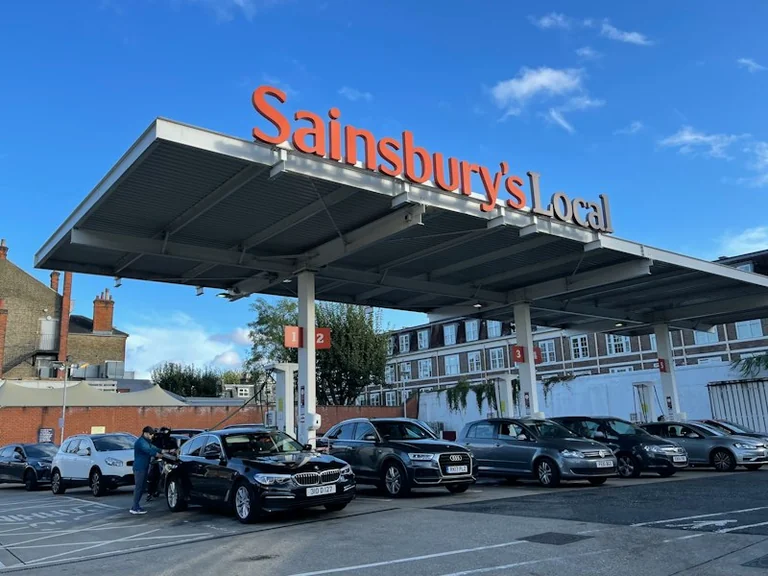
- Confirm the government release date and its petrol or diesel figure.
- Check current prices for the same fuel at nearby stations.
- Note when those local prices were observed.
- Compare the options alongside distance, route and opening hours.
A lower posted price may not save money if reaching that station adds a substantial detour. For a regular journey, compare stations already on your route; for a longer trip, check prices near stops you already plan to make.
What the weekly average can—and cannot—tell you
A national average is a reference point for understanding the broad level of road-fuel prices. It can help you judge whether a local price is above or below that benchmark, provided the dates and fuel types line up. It cannot tell you exactly what a particular forecourt charges.
Prices vary between stations and places, and a weekly figure can lag changes at individual pumps. The average also does not guarantee that every driver can access fuel at that price. Treat it as context for a local comparison, not a promise or a forecast.
Make the comparison useful for your next fill-up
Check the official collection again when you need an updated benchmark, then confirm a nearby station’s price before changing your route. If the latest government release is several days old, keep that gap in mind and rely on a current local check for the decision itself.
The useful next check is the date and petrol or diesel figures in the newest published release, followed by a same-fuel comparison at stations near your journey. A new weekly release can change the benchmark; a station’s own current price determines what you would pay there.
Source: GOV.UK
Context & actions About this article
Source check How to compare
The government collection provides weekly national figures; check its latest release date and compare like-for-like with current local forecourt prices.
- Check the date of the latest published release.
- Match petrol with petrol or diesel with diesel.
- Compare with current prices at nearby forecourts.
- Source
- Department for Energy Security and Net Zero
- Scope
- United Kingdom
- Updated
- 2026-10-12 09:34
Source check
Report a trust issue
Send a clear signal to community moderation if the source, facts or context need review.




Comments