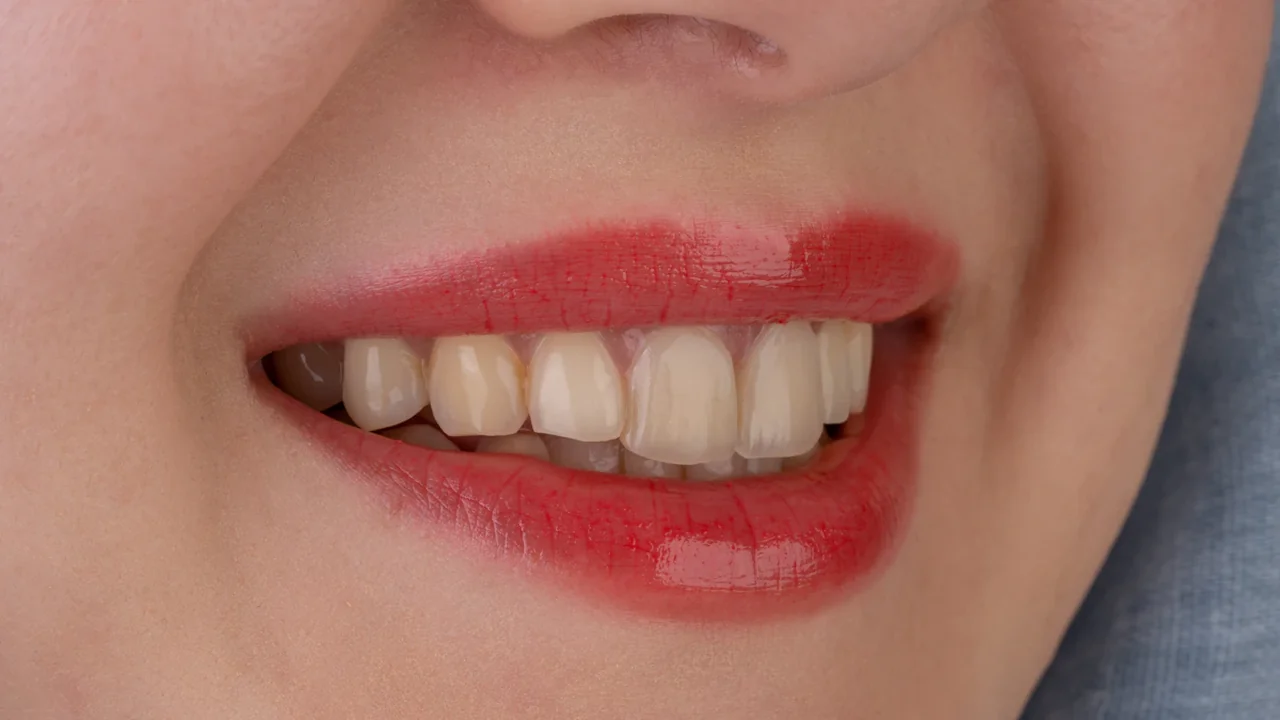
Waking up from a dream where your teeth crumble, crack, or fall out is a jarring, visceral experience. While these dreams are often associated with feelings of deep embarrassment, vulnerability, or a perceived loss of power, they are rarely prophetic. Instead of searching for mystical meanings or omens, it is more productive to view these nocturnal narratives as a reflection of your current mental and physical state. By separating folklore from physiological reality, you can better understand what your body might be trying to communicate.
Why We Dream of Tooth Loss
Psychological theories frequently link tooth-loss dreams to significant life transitions. When you are navigating a major change—such as starting a new career, moving to a new city, or experiencing the end of a long-term relationship—your subconscious may manifest this instability through the loss of a permanent physical feature. Teeth are essential for both nutrition and communication; losing them in a dream often taps into universal anxieties regarding self-image, the ability to express oneself effectively, and a broader sense of losing control over one’s environment.
Physical Factors to Consider
Before assigning deep symbolic meaning to the dream, it is essential to rule out physical causes. The brain is highly adept at incorporating sensory input from the body into your dream narrative. If you suffer from bruxism—the medical term for teeth grinding—or clench your jaw while you sleep, the resulting pressure and discomfort can easily trigger a dream about dental distress.
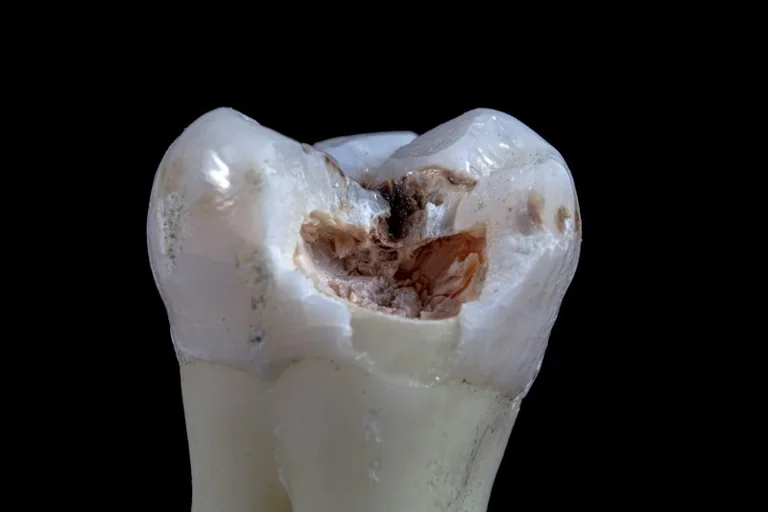
Consider these common physical contributors:
* Jaw Tension: High stress levels during the day often lead to subconscious clenching or grinding at night, which places significant strain on the jaw muscles.
* Dental Discomfort: Underlying issues such as tooth sensitivity, gum inflammation, or even the anticipation of an upcoming dental appointment can manifest as oral-themed dreams.
* Sleep Quality: Disrupted sleep cycles or poor sleep hygiene can lead to more vivid, fragmented, or intense dream recall, making these unsettling scenarios feel more impactful upon waking.
Navigating Folklore Without Superstition
Throughout history, various cultures have attached specific, often dire meanings to tooth-loss dreams, ranging from warnings about impending financial loss to predictions of family illness or death. It is important to recognize that these interpretations are rooted in folklore and cultural tradition rather than clinical evidence. Treating these beliefs as literal predictors of the future can increase unnecessary anxiety and distract from the actual, manageable stressors in your life.
If you find yourself frequently dreaming about your teeth, consider it a signal to perform a “stress audit.” Are you feeling overwhelmed by your current workload? Are you neglecting your self-care routine or failing to set boundaries? Addressing these practical, real-world stressors is significantly more effective than analyzing the dream for hidden omens.
When to Seek Professional Guidance
If you wake up with actual jaw pain, a dull headache, or localized tooth sensitivity, it is time to shift your focus from dream analysis to dental health. A dentist can perform a clinical assessment to determine if you are grinding your teeth at night and may suggest a custom-fitted mouthguard or other interventions to protect your enamel and alleviate muscle strain.
If the anxiety persists despite making changes to your daily routine or sleep environment, speaking with a mental health professional can help you navigate the underlying stress or emotional turbulence that may be fueling these recurring dreams. Prioritizing your physical health and mental well-being remains the most effective way to resolve the discomfort, both in your sleep and in your waking life.
Source: Editorial research
Context & actions About this article
Source check Contextual Note
This guide provides psychological and physical context for common dream motifs, prioritizing clinical dental health over folklore.
- Consult a dentist if you experience jaw pain.
- Evaluate stress levels if dreams become recurring.
- Review sleep hygiene habits.
- Source
- American Academy of Sleep Medicine
- Scope
- International
- Updated
- 2026-09-22 09:00
Source check
Report a trust issue
Send a clear signal to community moderation if the source, facts or context need review.




Comments