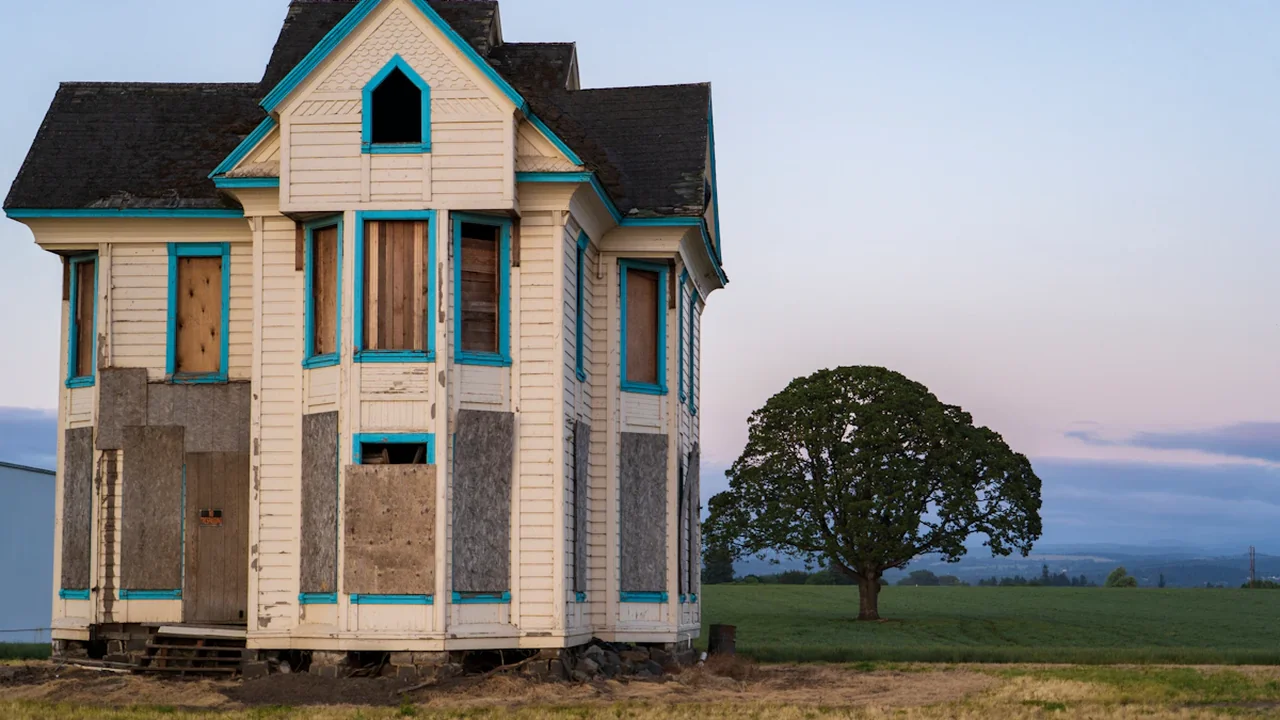
An old home in a dream often points less to the building itself than to a period of life connected with it. Childhood rooms, a former flat or a house shared with family can bring memory, belonging and unresolved change into the same nighttime image. The most useful question is not whether the dream predicts anything, but what the home represents to you now.
Why childhood and former homes appear in dreams
Homes hold unusually dense memories. A hallway may recall school mornings, a kitchen may carry the atmosphere of family life, and a particular bedroom may be linked to privacy, fear or freedom. Because dreams combine emotion with fragments of memory, familiar places can become a kind of mental setting for feelings that are difficult to describe directly.
An old home may return when something in the present resembles an earlier experience. Starting a new job, moving house, becoming a parent, ending a relationship or caring for an ageing relative can all raise questions about identity and security. The dream may revisit a former home because that place gives the mind a recognisable image for those questions.
The emotional tone matters more than the property’s appearance. A bright, open house might suggest comfort or renewed access to a valued part of yourself. A locked room could reflect distance from a memory, while a collapsing roof might express a sense that an old source of stability no longer feels dependable. These are possibilities, not fixed translations.
Home symbolism across cultural traditions
Home symbolism appears in many cultural and spiritual traditions, although its meaning changes from place to place. In broad terms, the house is often treated as a meeting point between private identity and the wider family or community. Its doors, rooms, foundations and boundaries can suggest welcome, protection, ancestry or separation.
Some traditions connect the condition of a home with the condition of the household. A clean or ordered interior may be associated with harmony, while neglected spaces can represent imbalance or unfinished responsibilities. Other traditions place more emphasis on ancestors, family continuity and the idea that a home carries traces of those who lived there.
Modern dream interpretation often borrows from these older associations while adding a psychological view. In that approach, a house can act as a map of remembered experience: familiar rooms may represent known aspects of the self, and unfamiliar rooms may stand for feelings or possibilities that have not yet been explored.
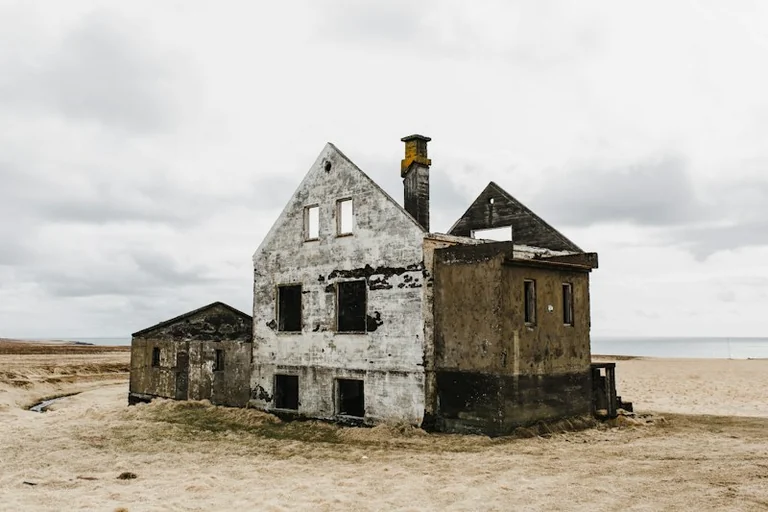
These cultural patterns can offer useful questions, but they should not be treated as universal rules. A staircase does not have one meaning for everyone. A childhood home may represent warmth for one person and conflict for another. Personal history should take priority over a symbolic dictionary.
Nostalgia or a current practical worry?
One way to understand an old-home dream is to separate emotional memory from present-day pressure. Nostalgia usually draws attention to a person, period or atmosphere that feels meaningful. A practical worry tends to carry a more immediate problem: money, housing, family responsibility, safety or the fear of losing control.
The two can overlap. Someone worried about rent may dream of a childhood home not simply because they miss it, but because it represents a time when shelter was provided by someone else. A person considering a move may dream about a former address because the earlier home offers a comparison point for belonging and independence.
Ask yourself three questions after waking:
- What feeling was strongest: comfort, grief, fear, relief, shame or curiosity?
- What is happening in my life that carries a similar feeling?
- Was the dream focused on the home, or on the people and roles connected with it?
The answers can help distinguish a memory resurfacing from a current concern being given an old setting. If the dream leaves you unsettled, check practical facts in daylight: your budget, housing plans, family commitments or a conversation you have been postponing. Reflection becomes more useful when it leads back to something concrete.
What different rooms may bring to mind
Dream details can be approached as prompts rather than predictions. The following associations are starting points for personal reflection:
- A childhood bedroom may bring up privacy, dependence, imagination or an earlier version of identity.
- A kitchen may connect with care, family routines, conflict or the work of keeping a household together.
- A doorway may suggest a decision, a boundary or the possibility of returning to something familiar.
- An empty room may evoke absence, independence or a part of life that has not yet been filled.
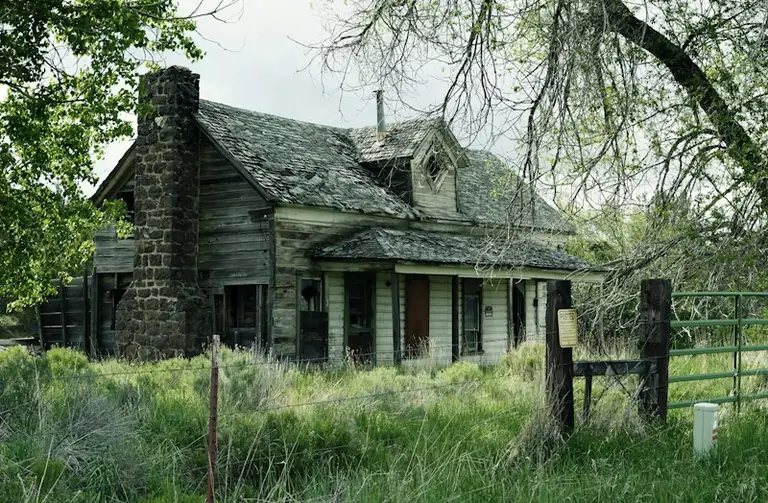
- A damaged or altered house may reflect the recognition that the past cannot be restored exactly as it was.
Details that seem minor can be especially revealing. Notice whether the furniture is arranged as you remember it, whether someone else owns the home, or whether you are looking for a particular object. These changes may show how your relationship with the past has changed.
A simple dream-journal exercise
Write down the dream as soon as you can, using only the details you remember. Then divide the page into two columns. In the first, describe the old home without interpretation: its condition, rooms, people, sounds and light. In the second, record the feelings and current situations that came to mind.
Finish with one sentence: “This home may be reminding me that…” Keep the wording tentative. A useful interpretation should make your present life clearer, not force the dream into a dramatic explanation.
You can return to the entry after a few days. If the same home appears repeatedly, compare what changes between dreams. The changing detail may be more important than the repeated building. A locked door that later opens, for example, may reflect a new willingness to face a memory or decision.
Old homes return in dreams because places can preserve emotional patterns long after daily life has moved elsewhere. Treat the image as an invitation to examine memory, belonging and change. The most meaningful interpretation will usually come from the connection between the dream’s feeling and the question your life is asking now.
Source: Editorial research
Context & actions About this article
Source check Interpretive context
Dream symbols do not have fixed universal meanings, so personal memories, emotions and present circumstances remain the most important context.
- Compare the dream's emotional tone with current life events
- Treat cultural symbolism as context rather than a rule
- Record recurring details in a dream journal
- Scope
- International
- Updated
- 2026-09-19 09:31
Source check
Report a trust issue
Send a clear signal to community moderation if the source, facts or context need review.




Comments