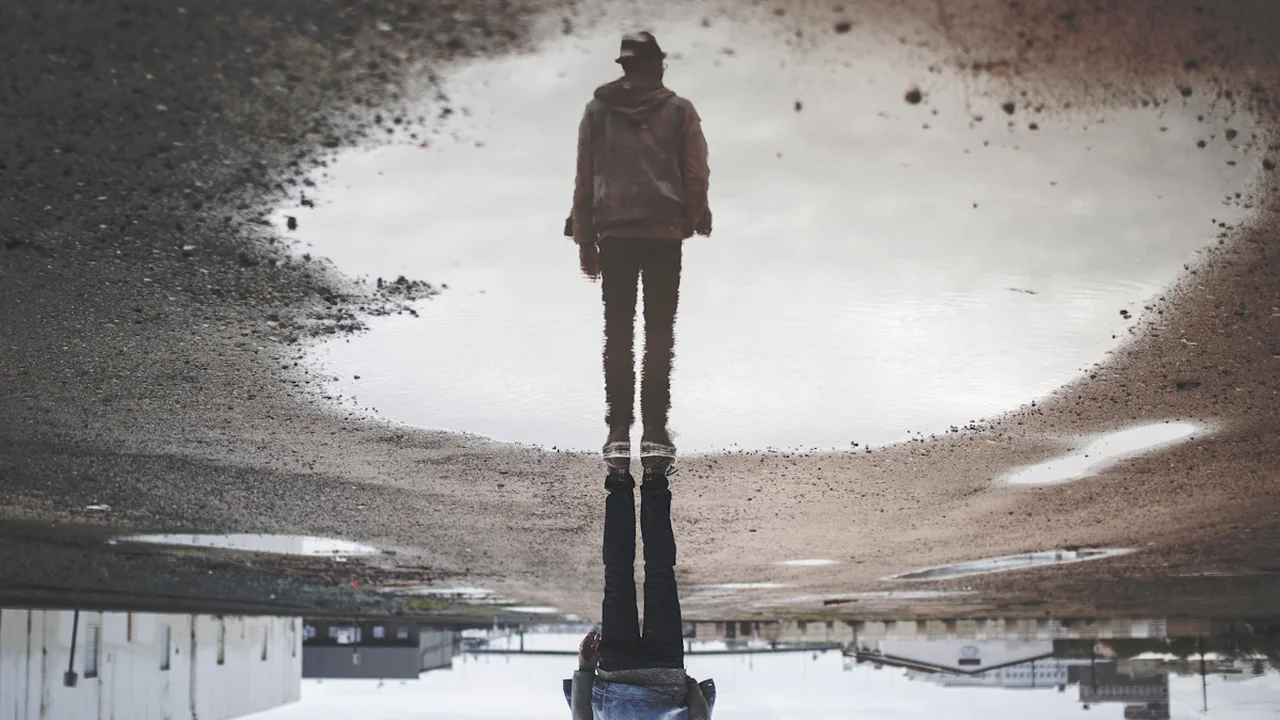
Water dreams can feel peaceful, frightening or strangely familiar, but the image alone does not provide a universal meaning. A quiet lake may reflect rest for one dreamer and emotional distance for another, while flooding might suggest overwhelm—or simply recall a recent storm, film or childhood memory. The most useful interpretation comes from the setting, movement, colour and your bodily response.
Dream dictionaries can offer starting points, yet they often flatten a personal experience into a single symbol. Dream journalling works better when it records the emotional context around the image: where the water appeared, who was present, what happened next and how you felt when you woke.
Calm water can suggest rest, distance or emotional acceptance
Still water is often described as a symbol of peace or inner balance. That may fit a dream in which you float comfortably, sit beside a quiet pond or watch sunlight move across a lake. The important clue is whether the calm felt welcoming.
Read also: Dreams About Falling: Meaning, Sleep Sensations and Hypnic Jerks
If the same scene felt cold, empty or difficult to approach, still water may represent distance rather than contentment. You might be observing an emotion without engaging with it, or noticing a part of life that has become quiet but not necessarily resolved.
Ask yourself:
- Did the water make your breathing slow, or did it make you feel trapped?
- Were you in the water, beside it or looking at it from far away?
- Did the surface feel open and inviting, or flat and unreachable?
These details can change the interpretation more than the word “water” itself.
Flooding often connects with pressure, but not always
A flood can be an intuitive image for feeling overwhelmed. Rising water may mirror a workload, an argument, grief, uncertainty or a decision that seems to be expanding faster than you can manage. The dream may be expressing intensity rather than predicting an event.
However, flooding is not automatically negative. Some people experience flood dreams during periods of change, when old routines are being washed away. If the dream included relief, cleansing or a sense of release, the water may represent movement through an emotional transition.
The dreamer’s role matters. Were you trying to escape, helping someone else, watching safely from higher ground or allowing yourself to be carried? Each position suggests a different relationship with pressure: resistance, responsibility, observation or surrender.
Notice the body before interpreting the symbol
Physical sensations can be especially revealing. A racing heart, clenched jaw or urgent need to find dry ground may point towards anxiety. Warmth, heaviness, relaxed muscles or a feeling of being held may suggest comfort or acceptance.
This does not turn a dream into a diagnosis. It simply adds information that a symbol list cannot provide. Your body’s response is part of the dream’s emotional context.
Colour and movement add important clues
Water colour can shape the mood of a dream, but colour meanings are personal. Clear blue water might feel refreshing to one person and intimidatingly deep to another. Murky water could suggest confusion, although it might also recall a familiar river, harbour or swimming spot.
Consider the water’s movement as carefully as its colour:
- Gentle ripples may accompany curiosity, adjustment or a small emotional shift.
- Strong waves can reflect conflict, excitement or a situation that feels larger than expected.
- Ice may suggest stillness, restraint or simply a winter landscape from memory.
- Fast currents may evoke urgency, change or a fear of losing control.
The question is not “What does blue water always mean?” It is “What does this particular blue water remind me of, and how did it make me feel?”
Location can connect the dream to waking life
A swimming pool, sea, river, bath and puddle carry different personal associations. A pool may relate to leisure, competition, childhood lessons or being watched by others. The sea can feel expansive and liberating, but it can also bring fear of depth. A bath may suggest privacy, care or vulnerability.
Place can also connect the dream to a real relationship or period of life. Water in a childhood home may bring up family memories. A river near work may link the imagery to routine or change. Rain entering your current home could reflect concerns about security, even if the dream has no symbolic meaning beyond recent experience.
Write down the exact location before reaching for an interpretation. “Water” is broad; “dark rainwater collecting beneath the kitchen window” gives you a much more useful starting point.
British folklore offers context, not a fixed answer
British folklore contains many water traditions involving rivers, wells, springs, lakes and the sea. Such places have been treated in different communities as sources of healing, danger, mystery, protection or passage. Stories of water spirits and otherworldly beings also show how water has often been imagined as a boundary between the familiar and unknown.
These traditions can enrich reflection, especially for someone with a strong connection to British landscapes, local stories or family beliefs. They should not be treated as a universal code. Wider cultural symbolism also varies: water may represent renewal, ancestry, purification, danger, fertility, separation or spiritual presence depending on the tradition and the individual.
Cultural context is most helpful when it opens a question. For example: “Does this river connect with a story, place or belief that matters to me?” It becomes less helpful when it overrides the dreamer’s own experience.
A short water-dream journalling exercise
Record the dream as soon as you can, using plain details rather than an interpretation. Then return to it with these prompts:
- Where was the water, and what real place does it resemble?
- Was it still, rising, falling, frozen, clear, dirty, warm or cold?
- What colour did you notice first?
- Who else was present, and what were they doing?
- What did your body do: tense, relax, hold its breath, run or float?
- What current situation carries a similar emotional feeling?
- Does the image connect with a personal memory, British folklore or another cultural tradition?
Finish with one cautious sentence beginning, “This dream may be helping me notice…” The word “may” keeps the exercise open and avoids turning a possibility into a verdict.
Recurring water dreams deserve attention when they leave you distressed, interrupt sleep or connect with difficult memories. In those circumstances, discussing the experience with a qualified mental health professional may be more useful than searching for a symbolic answer. A dream can be meaningful without being a message that must be decoded.
Source: Editorial research




Comments