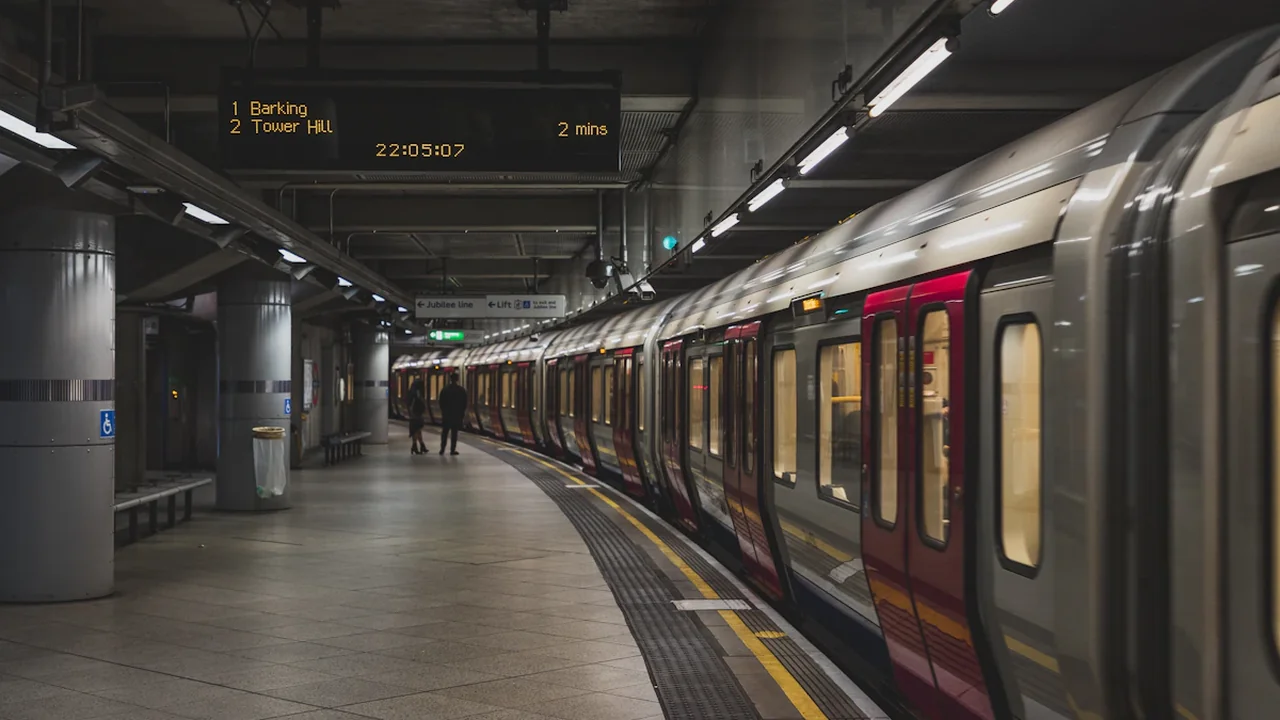
Missing a train in a dream can leave a very real aftertaste: rushing feet, closing doors and the sense that something important has moved on without you. It is a common image for people navigating deadlines, changing plans or uncertainty, but it is better treated as a prompt for reflection than as a prediction or diagnosis.
Why trains carry such powerful journey symbolism
Rail travel is built around shared timetables, fixed routes and moments that cannot easily be reversed. That makes a departing train a useful dream image when life feels organised by outside expectations: work schedules, family responsibilities, appointments or a decision that seems overdue.
In many cultures, journeys stand for movement through a life stage. A train adds a particular texture to that symbolism. Unlike walking alone, it follows a set track and carries many people in the same direction. Missing it may therefore echo a worry about falling behind a group, losing an opportunity or not being ready for the next stage.
Carl Jung wrote about dreams as material that can bring overlooked feelings into view. That does not turn a missed-train dream into a fixed code. Its value may be in the questions it raises: What feels time-sensitive? Whose timetable am I trying to meet? Is the pressure coming from a real commitment, or from my own harsh expectations?
The modern stress behind the platform scene
A missed train dream often makes sense alongside ordinary waking stress. When days are crowded with notifications, deadlines and competing roles, the mind may reuse a familiar scene of being late to represent a broader feeling of insufficient time.
The details matter more than a one-size-fits-all interpretation. A dreamer calmly watching a train leave may be processing acceptance or a change of plan. Someone running through an unfamiliar station may be feeling confused about their next step. A lost ticket, broken clock or wrong platform can point toward practical frustrations, uncertainty or a fear of making the wrong choice.

Pressure does not always mean danger
Feeling pressured in a dream does not prove that something is wrong. Dreams can combine recent memories, emotions and striking imagery without delivering a reliable message about the future. The useful task is to notice whether the emotion in the dream resembles something present in waking life.
A short check-in can help:
- What was I afraid would happen if I missed the train?
- Did anyone expect me to be on it?
- Where in my week do I feel rushed, delayed or unable to choose the pace?
- Is there a change I want, but do not yet feel prepared to begin?
Change can look like loss before it feels like possibility
The image of a train leaving can carry disappointment, especially during a move, career shift, relationship change or period of uncertainty. Yet it can also reveal an assumption worth examining: that there is only one correct departure, one deadline or one route.
Real rail journeys allow for delays, alternative connections and new destinations. Dream imagery is less literal, but that contrast can be helpful. If the dream repeats, consider whether you are treating a flexible situation as an irreversible test.
This is not an instruction to dismiss genuine deadlines. If a looming task needs action, a calendar reminder, a conversation or a smaller first step may reduce the pressure more effectively than searching for a hidden meaning. Reflection works best when it stays connected to practical life.

Try a five-minute dream journal after waking
A dream journal does not need to be elaborate. Keep a notebook or notes app nearby, and write before the dream fades into the day.
- Record the scene in a few plain sentences: station, weather, people and what happened.
- Name the strongest feeling in one word, such as urgency, shame, relief or curiosity.
- Note one waking-life situation that carries a similar feeling.
- Write one small response you could make today: clarify a deadline, decline an extra task, prepare earlier or give yourself more time.
- Revisit the entry after a week and look for patterns, rather than forcing a single meaning.
The goal is not to decode every symbol. It is to create a little distance between a vivid dream and the pressure it may reflect.
When a recurring dream deserves extra attention
A recurring dream can be worth discussing with a trusted person or a qualified mental-health professional if it is repeatedly disturbing sleep, intensifying anxiety or arriving alongside other difficult changes. The dream itself is not a diagnosis, but the impact on daily life matters.
For most people, the missed train is a memorable scene from the mind’s nighttime storytelling. Its most grounded use is simple: let it point toward the pace, transition or expectation that deserves a kinder and more practical look.
Source: Editorial research
Context & actions About this article
Source check Reflection note
This guide uses dream symbolism as a self-reflection tool, not as prediction or diagnosis.
- Notice the emotion that remains after waking.
- Compare the dream with current deadlines or transitions.
- Track repeated details in a dream journal.
- Seek support if dreams regularly disrupt sleep or daily wellbeing.
- Scope
- International
- Updated
- 2026-09-13 09:53
Source check
Report a trust issue
Send a clear signal to community moderation if the source, facts or context need review.




Comments