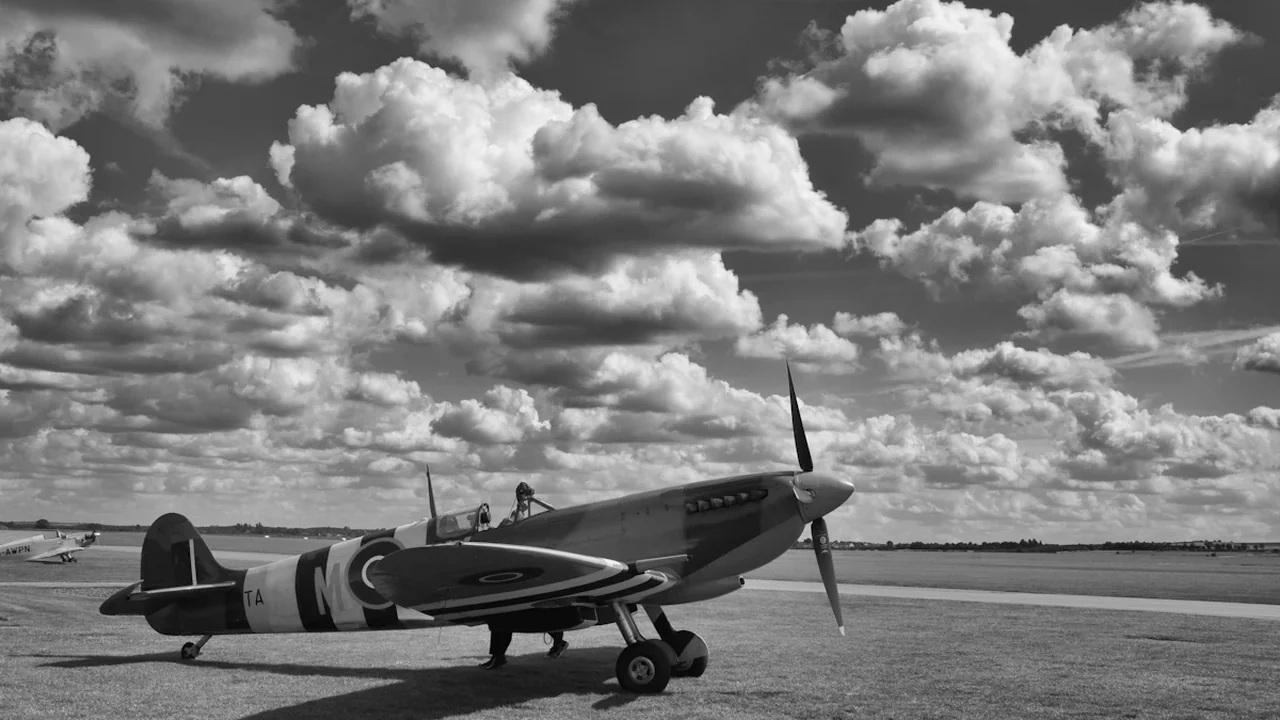
September 20 is not the formal anniversary date of the Battle of Britain. The campaign is generally dated from July 10 to October 31, 1940, while September 15 is remembered as Battle of Britain Day. That distinction matters because the campaign was a sustained air operation, not a single event, and its later national symbolism can sometimes obscure the documented timeline.
The Battle of Britain was a campaign, not one day
The Battle of Britain was the German attempt to gain air superiority over southern England in preparation for a possible invasion during the Second World War. The Royal Air Force, especially RAF Fighter Command, resisted the Luftwaffe through a series of raids and defensive operations across the summer and autumn of 1940.
The Imperial War Museums describes the Battle of Britain within the wider history of the Second World War, while the RAF Museum’s research collections provide important context on the Royal Air Force, its aircraft and its personnel. Together, those institutional resources help place the familiar story within a longer sequence of military decisions and civilian experiences, including the significance of the Battle of Britain anniversary.
The campaign did not begin with the most famous attacks on London. Early operations focused on shipping in the English Channel, coastal targets and RAF airfields. Germany’s aim was to weaken Britain’s air defences and make a cross-Channel invasion more realistic.
July and August 1940: the pressure moves towards Fighter Command
During the first phase, Luftwaffe attacks tested Britain’s coastal radar stations, airfields and aircraft production. The RAF’s defensive system depended on more than fighter pilots. It linked radar, the Observer Corps, operations rooms, telephone networks and ground crews into a system designed to direct a limited number of aircraft where they were most needed.
That organisation gave Fighter Command a crucial advantage. RAF aircraft did not have to patrol the entire coastline continuously; they could be sent towards incoming formations after they had been detected. The system was under severe pressure, however, and airfields, radar installations and repair facilities were vulnerable to repeated attacks.
The RAF was also fighting with finite resources. Pilots could be lost faster than they could be trained, while damaged aircraft required constant repair. The campaign therefore involved an industrial and administrative struggle as well as the dramatic encounters between fighters in the sky.
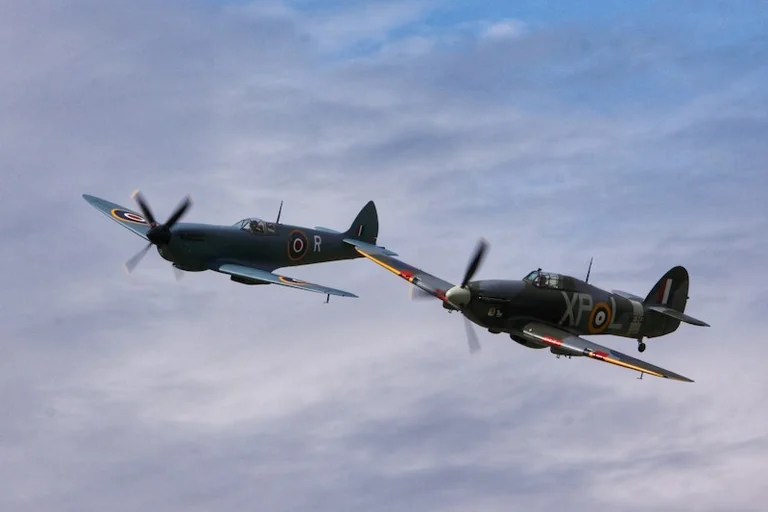
September 1940: the campaign and the Blitz become intertwined
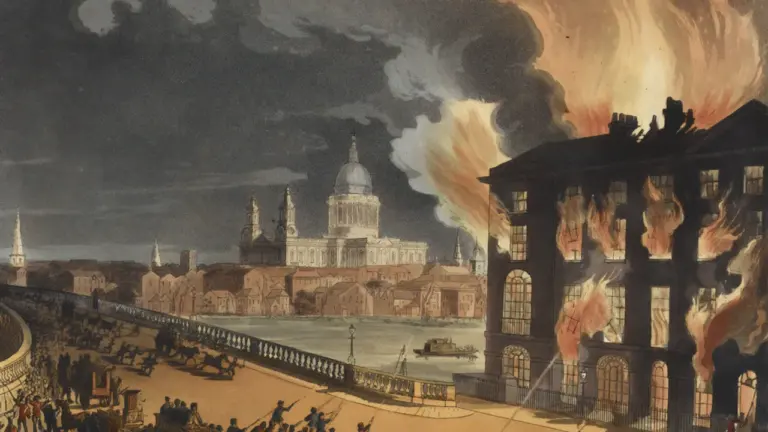
On September 7, German attacks shifted heavily towards London and other urban areas. This marked the beginning of the Blitz in the capital, although bombing raids on British towns and cities had already taken place. The change in targeting gave RAF Fighter Command some relief because pressure on several airfields eased, but it brought the war directly into civilian neighbourhoods.
Londoners and people in other bombed communities faced nights in shelters, damaged homes, fires, disrupted transport and the loss of friends and relatives. Civil defence workers, firefighters, ambulance crews and volunteers became central to daily survival. The civilian experience was not a background detail to the air campaign; it shaped how the conflict was understood and remembered.
September 15 is commonly identified as Battle of Britain Day because of the major German daylight raids and the RAF’s resistance. It became an important point in public memory, but it did not mark the complete beginning or end of the campaign. The fighting continued after that date, including attacks on London, industrial areas and other targets.
Why the Royal Air Force was able to resist
The RAF’s success cannot be reduced to a simple count of aircraft or individual heroism. Several factors worked together:
- Radar and the Observer Corps helped detect and track incoming aircraft.
- Fighter Command’s operations rooms coordinated interceptions across a national network.
- British aircraft production and repair sustained the defence under pressure.
- Pilots and ground crews operated from a chain of airfields across southern Britain.
- German aircraft had limited time over Britain because of fuel and distance constraints.
The RAF’s pilots came from Britain and across the wider Commonwealth and Allied world. Their contribution was essential, but the campaign also depended on mechanics, armourers, controllers, engineers, clerks and many other workers whose roles were less visible in later popular storytelling.
The phrase “The Few”, associated with Winston Churchill’s September 1940 tribute to RAF pilots, became one of the defining expressions of the campaign. It is historically meaningful, but it can also encourage a narrow focus on fighter pilots at the expense of the wider system and the millions of civilians affected by the bombing.
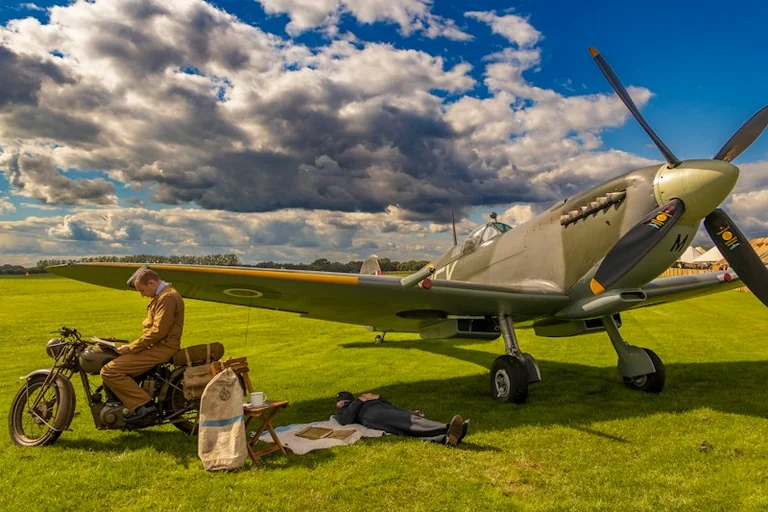
October 1940: the campaign’s conventional end date
The Battle of Britain is conventionally considered to have ended on October 31, 1940. That date does not mean the bombing stopped or that Britain was no longer at war. The Blitz continued into 1941, and German attacks remained a serious threat.
The significance of October 31 is that the Luftwaffe had not achieved the air superiority required for Operation Sea Lion, Germany’s planned invasion of Britain. The invasion was postponed indefinitely. Britain remained in the war, and the RAF had prevented Germany from securing control of the skies over the English Channel and southern England.
This is why a timeline is more accurate than a single anniversary claim. July 10 marks the conventional opening date, September 7 marks the intensified bombing of London, September 15 represents a major symbolic day within the campaign, and October 31 provides its conventional closing point.
September 20 and the making of national memory
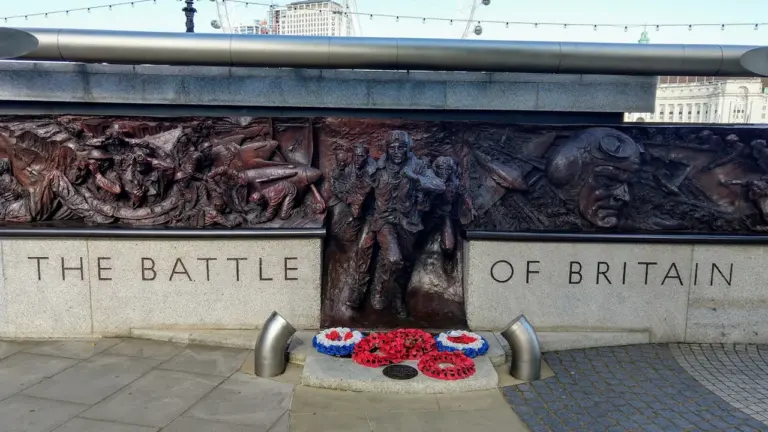
September 20 can still be used meaningfully in historical coverage, but it should be presented as a date for examining remembrance rather than as the formal anniversary of the Battle of Britain. A careful article or museum feature might ask how the campaign has been commemorated, how the image of “the Few” developed, or how later generations connected the battle with ideas of national resilience.
That distinction between history and mythology is not a rejection of remembrance. National memory often selects particular moments, words and images because they offer a powerful way to express shared experience. The danger comes when a symbolic version replaces the more complicated record of dates, institutions, casualties, technology and civilian life.
The Imperial War Museums and RAF Museum are useful starting points for keeping those elements together. Their historical material places the RAF within the broader wartime environment and helps explain how archival evidence, aircraft, personal accounts and public commemoration shape our understanding of 1940.
The next date to place on the timeline
For readers checking the Battle of Britain chronology, the next major milestone after September 20 is October 31, 1940, the conventional end date of the campaign. The key question is not whether bombing ended then, but whether Germany had secured the air superiority needed to invade Britain. It had not, and that military outcome is the clearest way to separate the documented campaign from the simplified anniversary story.
Source: Imperial War Museums
Context & actions About this article
Source check Historical context
The timeline and terminology are framed using historical material from the Imperial War Museums and RAF Museum.
- Campaign dates: July 10 to October 31, 1940
- Battle of Britain Day: September 15, 1940
- The Blitz began with intensified attacks on London from September 7, 1940
- The RAF Museum provides research material on the Royal Air Force
- Source
- Imperial War Museums
- Scope
- United Kingdom
- Updated
- 2026-09-20 07:34
Source check
Report a trust issue
Send a clear signal to community moderation if the source, facts or context need review.


Comments