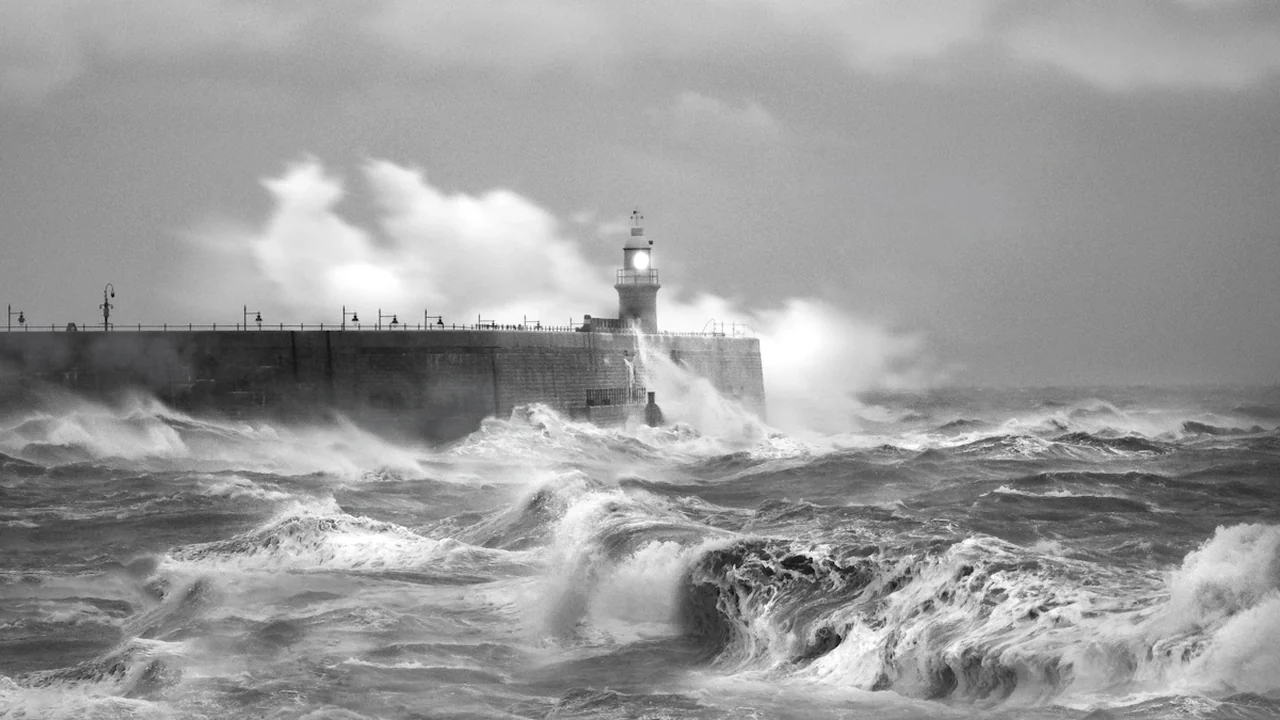
The Great Storm struck southern England overnight on 15–16 October 1987, bringing destructive winds and widespread disruption. Its anniversary is a reminder of how difficult severe weather can be to forecast—and of how the UK’s forecasting and warning systems have changed since. The Met Office’s historical case study anchors the account, while precise casualty and damage totals should be treated cautiously unless checked against authoritative records.
What happened in southern England
The storm became one of the most damaging weather events in modern British history. Trees came down, buildings were damaged and transport was disrupted across parts of southern England. The date is often remembered because the scale of the impacts caught many people by surprise.
The Met Office records the event in a dedicated historical case study. Its account is a useful starting point for understanding the storm, but headline figures for deaths, injuries and financial losses can vary according to what is counted and which records are used. This account therefore avoids presenting a single uncorroborated total as definitive.
The storm also became a turning point in public discussion of weather forecasting. The central issue was not simply whether a storm had been forecast, but whether its likely severity and impacts were communicated clearly enough for people and services to respond.
Why the warnings became part of the story
Forecasts describe expected weather; warnings are intended to help people make decisions about possible impacts. The 1987 storm exposed how much depends on both steps: forecasts must identify a developing threat, and warnings must explain what it could mean in practical terms.

Retrospective accounts of the storm have focused on the gap between the weather expected by the public and the conditions that arrived. That experience helped make warning communication and the clarity of forecasts lasting subjects of scrutiny. Specific claims about which warning failed, or exactly what a particular forecaster knew at a given time, require evidence from contemporary records and formal reviews.
A useful lesson is that a forecast can describe a weather system without conveying the full risk to homes, roads, trees or power supplies. People need enough lead time and clear language to understand whether to change plans, secure property or avoid travel.
How UK forecasting and warnings have changed
Forecasting has changed substantially since 1987. Modern meteorologists use numerical weather prediction, satellite observations, radar and other data to track weather systems and assess possible outcomes. Computing power and the ability to compare different model scenarios have also advanced, supporting more detailed forecasts and earlier identification of some hazards.
Those tools do not remove uncertainty. A storm’s track, timing and local impacts can still be difficult to pin down, especially days ahead. Forecasts are updated as new observations arrive, and the details that matter to one town or road may differ from the regional picture.
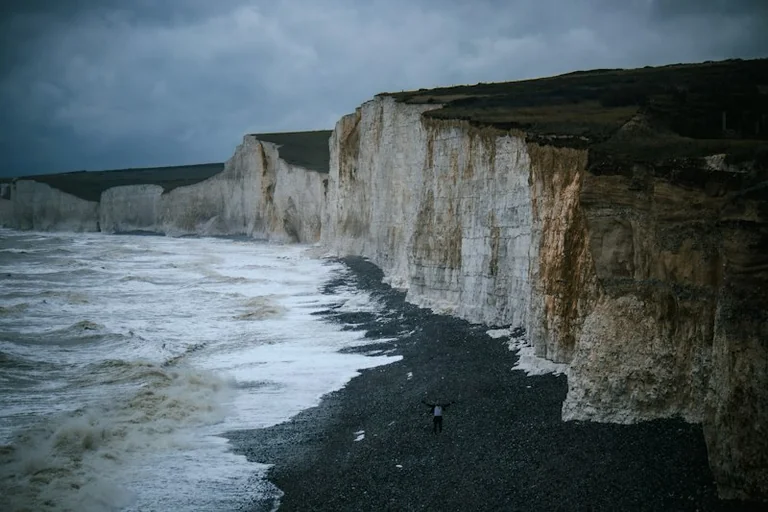
The UK’s public warning approach has also evolved. The Met Office now publishes impact-based warnings, with colour levels that communicate the combination of likelihood and potential impact. The warning system is designed to help the public and organisations assess disruption and decide how to prepare. The meaning of a warning depends on its location, timing and stated impacts, so checking the current official warning information matters more than relying on a colour alone.
What the anniversary means today
The Great Storm is a historical case, not an indication that comparable weather is occurring now. An anniversary can prompt interest in what happened, but current conditions must be judged from current forecasts and warnings.
The lasting practical point is to treat warnings as decision support. Read the affected area and valid times, consider the impacts described, and follow advice from relevant authorities. For an event-specific history, the Met Office case study offers context; for present-day conditions, consult the Met Office’s live forecast and warning pages.
The storm’s legacy is therefore not a promise that forecasting can prevent every surprise. It is a record of why forecasts, clear warnings and public understanding all matter when severe weather threatens.
Source: Met Office
Context & actions About this article
Source check Historical context
The Met Office’s historical case study anchors the account; casualty and damage totals are not stated without corroboration.
- The event date is 15–16 October 1987
- Impacts are described at a broad regional level
- No uncorroborated casualty or damage total is presented
- Current weather conditions require current forecasts and warnings
- Source
- Met Office
- Scope
- United Kingdom
- Updated
- 2026-10-16 08:19
Source check
Report a trust issue
Send a clear signal to community moderation if the source, facts or context need review.


Comments