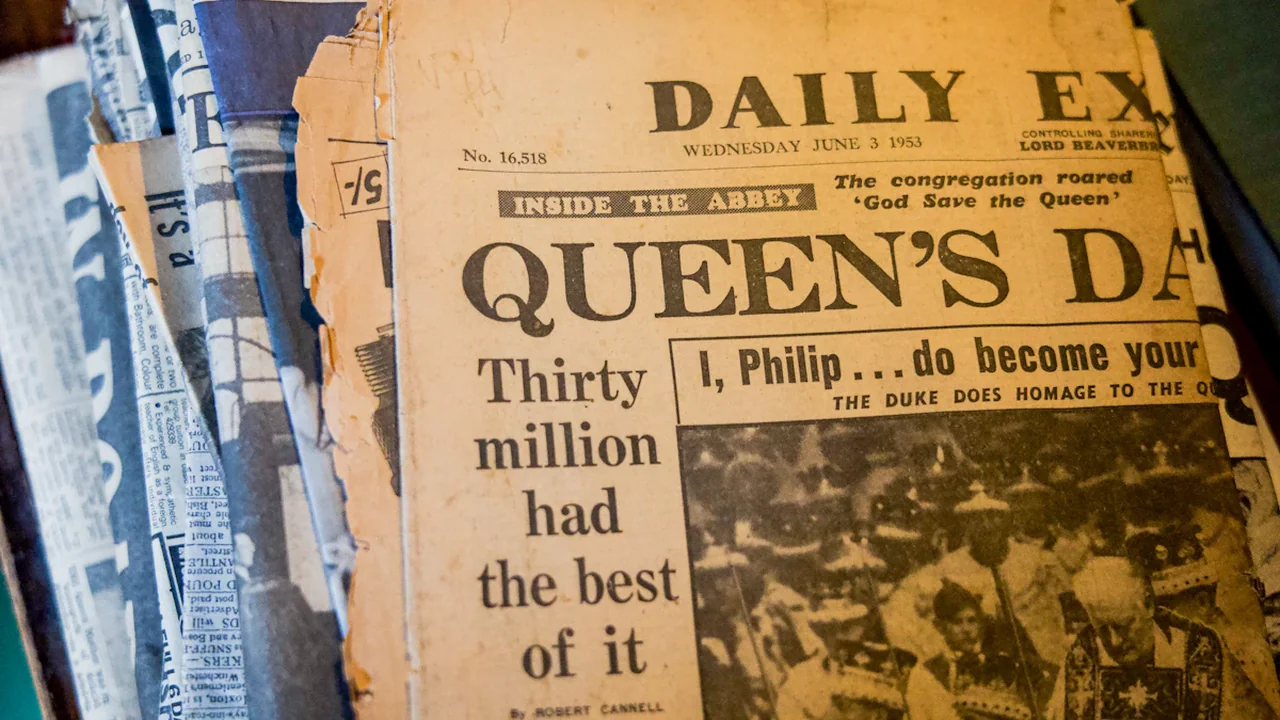
August 20th stands as a significant marker in the British calendar, representing a day when civic infrastructure and royal influence converged to shape the nation’s development. From the expansion of transportation networks to the formalization of administrative power, these historical events continue to inform the landscape of modern Britain. By examining the legacy of projects initiated on this date, we can better understand the evolution of the British Isles from a collection of disparate regions into an integrated, modern state.
Pivotal Moments in British Civic Development
The history of the United Kingdom is often defined by its physical transformation. Infrastructure projects initiated on this date have frequently acted as catalysts for regional growth, connecting disparate communities and standardizing travel across the British Isles. These projects, while rooted in the requirements of their respective eras, laid the groundwork for the integrated transport systems that define daily life in 2026.
Historical records from Historic UK highlight how August 20th has been a recurring date for key anniversaries related to civic works. Whether through the opening of major bridges, the expansion of railway termini, or the implementation of new municipal policies, these milestones illustrate a consistent trend of modernization. For the contemporary reader, these events are more than just dates; they represent the early efforts to build a cohesive national identity through shared utility and improved connectivity. These projects were rarely isolated incidents; they were often the result of long-term strategic planning designed to facilitate trade and movement across challenging terrain.
Read also: How the Stockton and Darlington Railway changed travel
Connecting the Past to Modern Identity
Understanding why these projects were undertaken offers a lens into the priorities of historical British society. Often, these developments were responses to population shifts, the rise of industrial trade, or the need to consolidate royal authority over remote regions. By examining these past milestones, we gain a clearer perspective on how modern Britain manages its own urban planning and civic evolution.

In 2026, the legacy of these projects remains visible in the architecture and layout of British cities. The preservation of historical infrastructure is a delicate balance between maintaining heritage and meeting the demands of a high-tech, digital-first economy. Many of the sites associated with these August 20th events now serve as cultural landmarks, reminding residents of the long-term planning that preceded current technological advancements. This synthesis of old and new is not merely aesthetic; it is a functional reality of modern British urbanism.
Historical Continuity in Daily Life
Reflecting on these milestones encourages a deeper appreciation for the local history that surrounds us. Every time a citizen uses a public transport hub or passes a landmark established in the past, they are engaging with a timeline that stretches back centuries. This continuity is a vital component of local identity, ensuring that as Britain moves forward with new infrastructure and digital integration, the foundation laid on days like August 20th is not forgotten.
At a Glance: The Impact of Civic Milestones
| Feature | Historical Context | Modern Implication |
|---|---|---|
| Transport Networks | Early regional connectivity | Basis for modern transit hubs |
| Civic Architecture | Royal and municipal decrees | Preservation of national heritage |
| Urban Planning | Industrial-era expansion | Foundation for current city layouts |
For those interested in the specific evolution of their local area, the archives provided by Historic UK offer a detailed look at how these specific dates influenced regional development. Engaging with these records allows residents to see their daily commute or local landmarks not just as static features, but as active participants in a centuries-long narrative of national growth. As urban centers continue to adapt to the needs of the 21st century, the lessons learned from these historical milestones remain essential for balancing progress with the preservation of the built environment.
Source: Historic UK
Context & actions About this article
Source check Historical Context
This article summarizes historical milestones documented in public archives to explain their relevance to modern British infrastructure.
- Confirming historical event dates via public archives
- Analyzing the impact of civil infrastructure on modern urban design
- Source
- Historic UK
- Scope
- United Kingdom
- Updated
- 2026-09-27 08:39
Source check
Report a trust issue
Send a clear signal to community moderation if the source, facts or context need review.



Comments