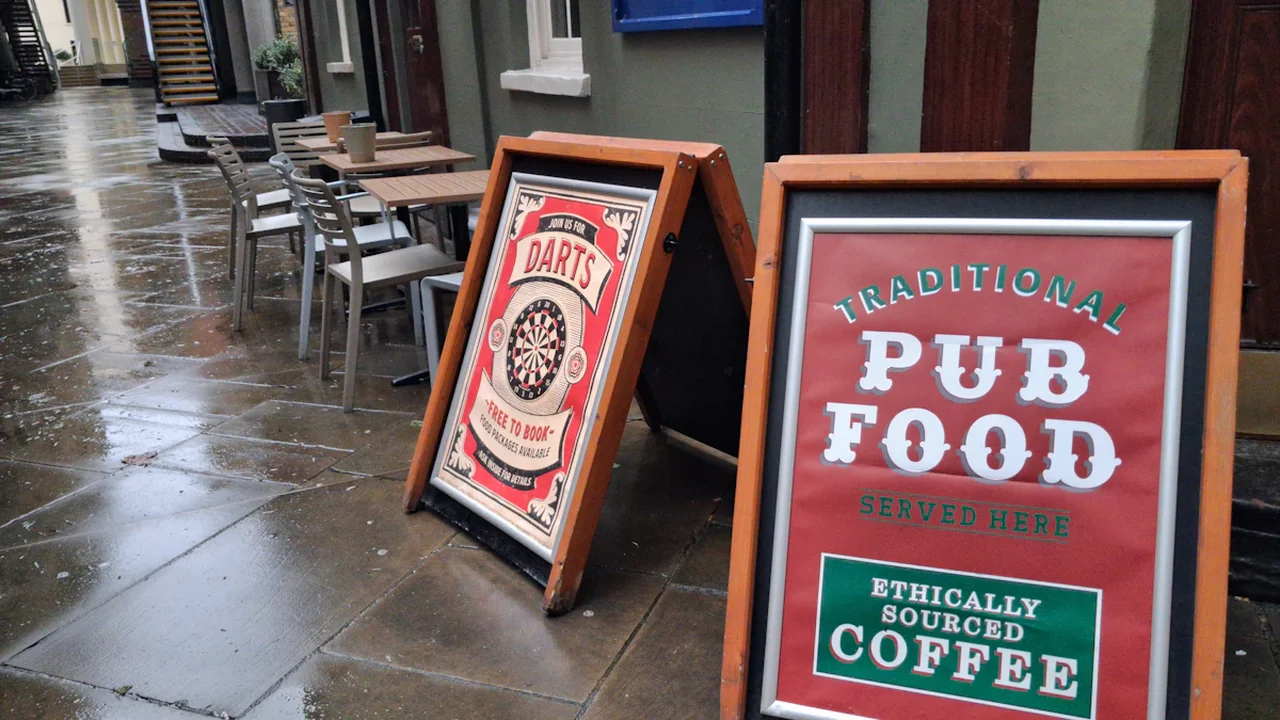
A cup of coffee on 1 October, International Coffee Day, offers a way into London’s history. Historic England records a coffee house established by Pasqua Rosee in St Michael’s Alley in 1652. Within a century, the city had hundreds of them. They were places to exchange news and conduct business, but the drinks they served also connected London to colonial plantations and enslaved labour.
A coffee house in St Michael’s Alley
The United Nations marks 1 October as International Coffee Day. In London, one early date stands out: 1652, when Pasqua Rosee established a coffee house in St Michael’s Alley, according to Historic England’s research on the transatlantic slave economy and the built environment.
That address makes the history specific. Coffee was served in a business district where conversation could have immediate value. A visitor might hear news, meet someone with a commercial interest or discuss information that mattered beyond the room. The coffee house was a social setting, but its place in the city also made it useful to people whose work depended on contacts and timely knowledge.
Rosee’s coffee house should not stand for every London establishment that followed. It does, however, give the story a documented starting point: a named person, a street and a year. Historic England records that by 1740, London had more than 500 coffee houses. Their growth shows how firmly coffee drinking had become part of the city’s public and commercial life.
Why news and business met over coffee
Before news could be checked on a phone, learning what had happened depended on people, print and places where information circulated. Coffee houses offered a setting for reading, conversation and the exchange of reports. For someone trading goods or arranging services, hearing a piece of news could be as valuable as making a new contact.
That did not mean every account heard over coffee was reliable. The useful historical point is that coffee houses brought people and information together. Repeated meetings could turn a familiar room into a place associated with a particular line of business. London’s coffee house culture therefore helps explain how a social space could acquire a commercial role without ceasing to be a place for conversation.
One unusually clear example is Edward Lloyd’s coffee house. Historic England’s listing for Lloyd’s says Lloyd opened a coffee house in Tower Street in 1688. It became a meeting place for maritime insurers. The connection explains why the name Lloyd’s belongs in the history of insurance: people involved in maritime risk met at a coffee house bearing Edward Lloyd’s name.
The example also gives those meetings a wider setting. Shipping linked London’s commerce to distant ports and markets. People involved in maritime insurance needed to assess uncertain voyages, so a place where they could meet and exchange information had practical value. Lloyd’s origins show how a coffee house could become associated with a lasting commercial institution.
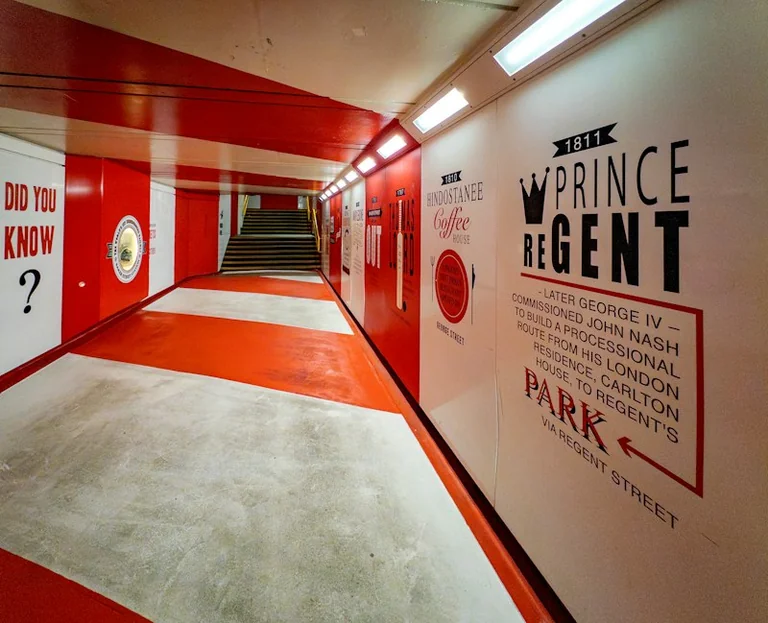
The plantations behind the cup
The London setting is only part of this history. Coffee and the sugar commonly added to it were colonial commodities. Historic England’s research connects coffee to the West Indian plantation economy and places England’s built environment within the wider history of the transatlantic slave economy.
Plantation production depended on the labour of enslaved people. That fact changes how a coffee house scene should be understood. The drink served in London had a supply history extending far beyond the counter, the customers and the conversations. Sugar brought another plantation product into the same cup.
The benefits and burdens of this trade were not shared equally. London customers and merchants could enjoy, sell or build businesses around commodities produced through coercion elsewhere. Recognising that relationship does not require treating every coffee house customer as having the same role in the trade. It requires keeping the people who produced those commodities in view when describing what made coffee readily available in the city.
This is why the story cannot end with an appealing picture of lively rooms and clever conversation. Coffee houses helped information and commerce move through London; colonial systems helped supply what those houses sold. Both belong to an account of how the city’s coffee culture grew.
What the surviving dates reveal
Three dates give this history its shape. Rosee’s St Michael’s Alley coffee house is recorded in 1652. Edward Lloyd opened his Tower Street coffee house in 1688, and it became a meeting place for maritime insurers. By 1740, Historic England says London had more than 500 coffee houses.
Those facts describe a shift from a named establishment to a widespread part of urban life, with Lloyd’s showing how one meeting place could become tied to a particular trade. They do not tell us what every customer discussed or how every coffee house operated. The evidence is strongest when used to explain the pattern rather than to invent a scene inside an individual room.
On International Coffee Day, the next useful question is where a familiar cup came from as well as where it was served. London’s historic coffee houses were places of news, meetings and commerce. Their history also reaches back through shipping and colonial supply chains to the enslaved people whose labour helped produce coffee and sugar.
Source: United Nations
Context & actions About this article
Source check Historical context
The dates and locations come from Historic England, while the date of International Coffee Day comes from the United Nations.
- Historic England records Pasqua Rosee’s St Michael’s Alley coffee house in 1652.
- Historic England records more than 500 London coffee houses by 1740.
- Historic England links Lloyd’s origins to Edward Lloyd’s Tower Street coffee house, opened...
- Source
- Historic England
- Scope
- London
- Updated
- 2026-10-01 09:41
Source check
Report a trust issue
Send a clear signal to community moderation if the source, facts or context need review.

Comments