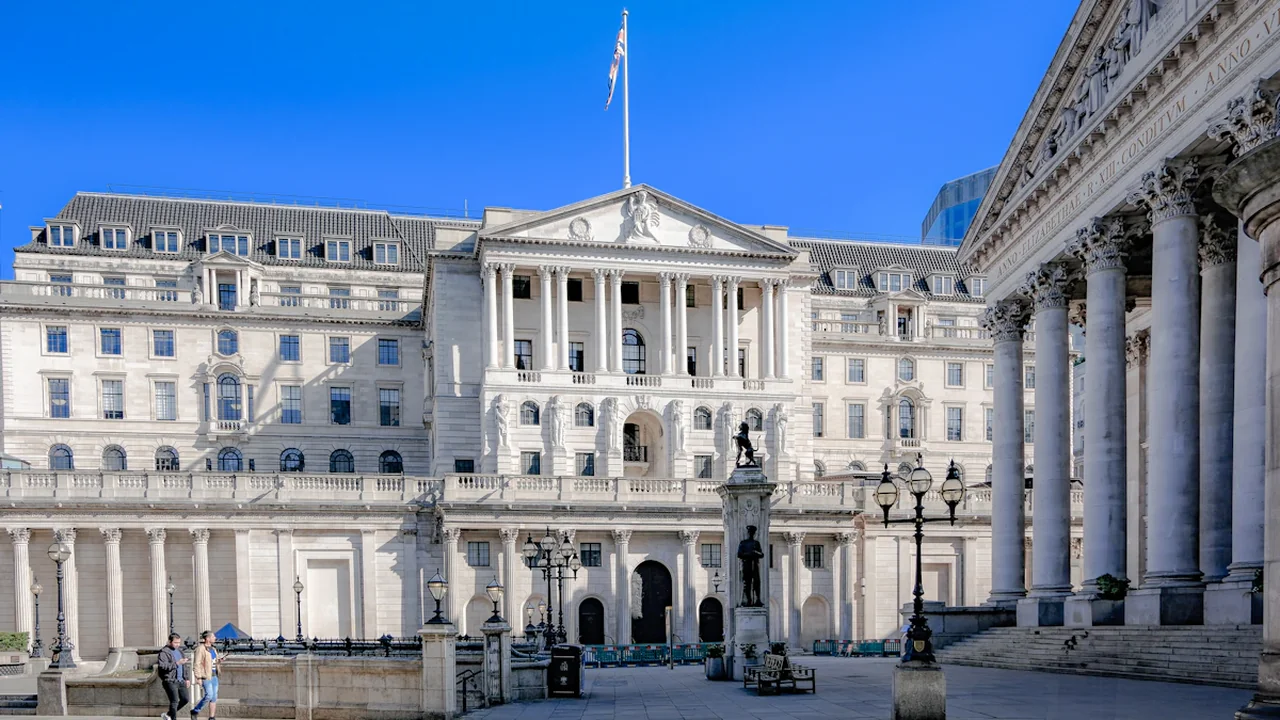
As the Bank of England’s Monetary Policy Committee (MPC) prepares for its late September 2026 meeting, the financial landscape remains defined by a delicate tension between cooling headline inflation and persistent price pressures within the service sector. For UK households, businesses, and investors, this upcoming decision serves as a critical indicator for the trajectory of borrowing costs and savings yields for the remainder of the year.
Forecast Summary
- Question: Will the Bank of England cut the official bank rate in September 2026?
- Deadline: The official MPC announcement date in late September 2026.
- YES: The MPC announces a reduction in the bank rate.
- NO: The MPC maintains or increases the current bank rate.
- Resolution: Official Bank of England press release and minutes.
The Economic Balancing Act
The MPC is tasked with the primary objective of maintaining price stability, typically defined by a 2% inflation target. To achieve this, the committee adjusts the official bank rate—the interest rate the Bank of England charges commercial banks for loans. When the MPC opts for a rate cut, it is generally intended to stimulate economic activity by reducing the cost of borrowing for consumers and businesses. Conversely, when inflation remains stubbornly above target, the committee may hold rates steady or increase them to dampen demand and curb price growth.
In the current cycle, the committee faces a complex environment. While headline inflation figures have shown signs of moderation, the service sector—a significant portion of the UK economy—continues to exhibit “sticky” price pressures. These pressures, often linked to wage growth and labor market dynamics, complicate the decision-making process. The MPC must determine whether the broader economic cooling is sufficient to justify a pivot toward easing, or if the risk of entrenched service-sector inflation necessitates a more restrictive policy stance for a longer duration.

Impact on Personal Finance
The official bank rate acts as a benchmark that influences a wide array of financial products. Understanding how these shifts translate into personal finance is essential for household budgeting.
- Variable-Rate and Tracker Mortgages: These products are directly linked to the official bank rate. If the MPC announces a cut, borrowers on these products typically see a reduction in their monthly interest payments shortly after the decision is implemented. This can provide immediate, albeit often modest, relief to household cash flow.
- Fixed-Rate Mortgages: Unlike variable products, fixed-rate mortgages are less sensitive to immediate MPC decisions. Their pricing is primarily driven by “swap rates,” which reflect broader market expectations of future interest rate paths. Consequently, a single rate cut may not lead to an immediate drop in fixed-rate mortgage offers, as lenders have often already priced in expected changes.
- Savings Accounts: The impact on savers is generally the inverse of the impact on borrowers. When the Bank of England lowers the base rate, high-street banks and building societies frequently adjust their savings rates downward. While this process is not always instantaneous, a sustained period of lower base rates typically results in lower interest yields for cash savers.
Analyzing the Uncertainty
Market analysts are currently divided, reflecting the uncertainty inherent in the MPC’s decision-making process. The debate centers on two primary narratives:

- The Case for Easing: Proponents of this view argue that the headline inflation data provides sufficient “headroom” for the Bank to begin lowering rates. They suggest that maintaining high rates for too long risks stifling economic growth and potentially triggering an unnecessary slowdown.
- The Case for Caution: This perspective emphasizes the risks posed by wage-price dynamics in the services sector. If the committee cuts rates too early, they risk allowing inflation to become embedded, potentially requiring more aggressive and painful interventions later. This narrative supports the “higher for longer” approach to interest rates.
Key Economic Indicators and Monitoring
To navigate this period of uncertainty, it is important to distinguish between market speculation and official policy signals. While media commentary and analyst forecasts provide context, they do not dictate the outcome. The MPC’s decision is based on a comprehensive review of data, including:
- Consumer Price Index (CPI): The primary measure of inflation.
- Wage Growth Data: A key indicator of potential future inflation in the service sector.
- Labor Market Reports: Employment and unemployment figures that signal the health of the economy.
For the most accurate insight into the committee’s forward-looking guidance, readers should monitor the official Bank of England meeting minutes and the accompanying press conference. These documents provide the official rationale behind the vote and offer the most reliable clues regarding the MPC’s future policy trajectory. The final resolution of the September decision will be confirmed solely by the official statement released by the Bank on the day of the vote.
Source: Bank of England
Context & actions About this article
Source check Official MPC Process
The Bank of England MPC determines rates based on official economic data.
- Monitor the official Bank of England website for the September meeting date.
- Review the MPC minutes for the specific vote tally.
- Check official press releases for the final interest rate decision.
- Source
- Bank of England
- Scope
- United Kingdom
- Updated
- 2026-08-21 09:47
Source check
Report a trust issue
Send a clear signal to community moderation if the source, facts or context need review.



Comments