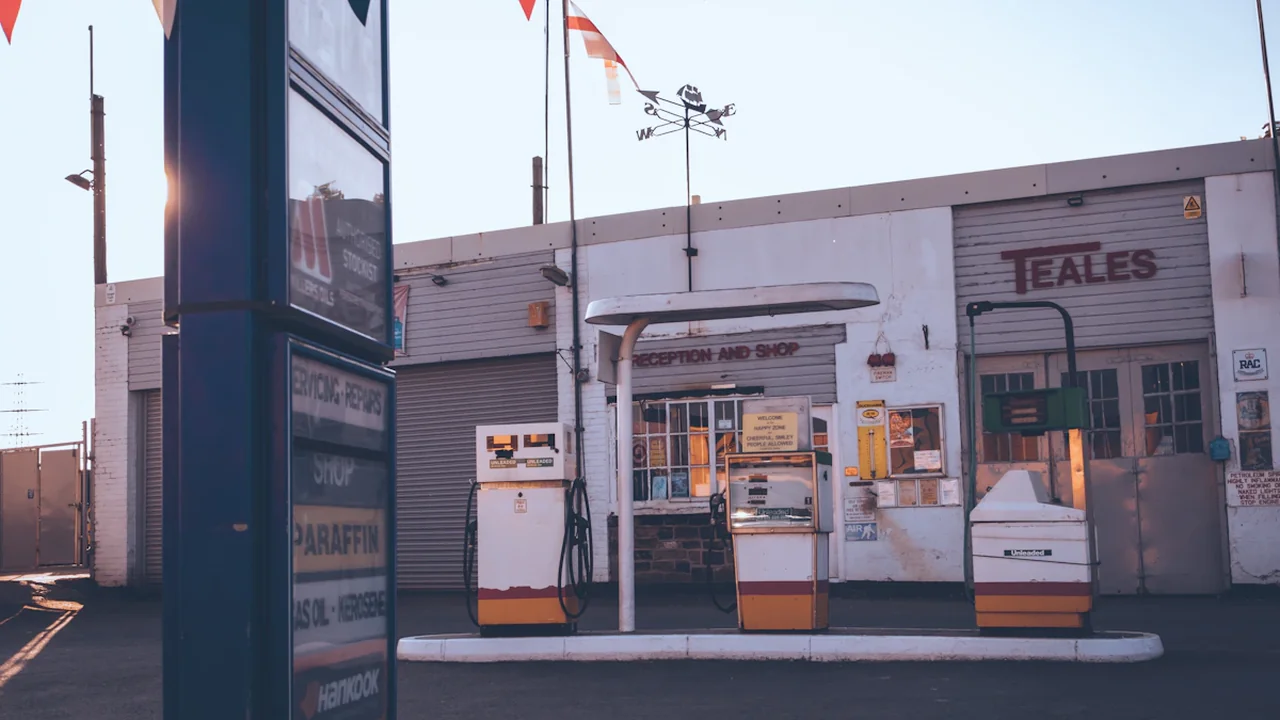
As of September 19, 2026, UK motorists continue to navigate a fluctuating fuel market heavily influenced by global crude oil trends. The Competition and Markets Authority (CMA) provides ongoing monitoring data to help drivers understand the landscape of petrol and diesel costs across the country. By understanding how these national trends translate to local forecourts, drivers can make more informed decisions to manage their personal transport budgets.
Understanding Regional Price Disparities
Fuel prices are rarely uniform across the UK. Variations often stem from local competition, distribution logistics, and the specific pricing strategies of regional retailers. While national averages provide a useful baseline for market health, they do not guarantee the price you will encounter at your local pump. Understanding these regional factors can help you anticipate why costs might be higher or lower depending on your location.
| Location Type | Typical Price Factor |
|---|---|
| Urban Centers | Higher competition, lower prices |
| Rural Areas | Higher logistics costs, premium pricing |
| Motorway Services | Convenience-based premium pricing |
How to Find the Best Local Prices
To avoid overpaying, it is essential to use official tracking resources rather than relying on the first station you pass.
- Check official trackers: Utilize government-backed portals to compare prices in your immediate vicinity. These tools are designed to provide transparency in a market that can change daily.
- Avoid motorway convenience: If your fuel gauge allows, wait until you reach a local town center. Prices at motorway service stations are statistically higher due to the convenience premium, whereas local stations often compete more aggressively for repeat customers.
- Monitor trends: Keep an eye on global oil market shifts. While these do not impact the pump instantly, significant sustained changes in crude oil prices typically filter down to the forecourt within a few days.
What These Numbers Do Not Prove
It is important to remember that average price reports are backward-looking data points. They reflect past transactions and do not necessarily predict the exact price you will pay tomorrow. Furthermore, these averages do not account for individual retailer loyalty schemes or supermarket discount vouchers, which can significantly lower your personal out-of-pocket expenses.

Additionally, national averages can mask significant volatility within a single postcode. A station on one side of a town may have a different pricing strategy than a competitor just a few miles away. Always verify the price at your specific station before committing to a fill-up.
Next Steps for Motorists
To manage your fuel spending effectively, make it a habit to check real-time price comparison tools before embarking on long journeys. Because individual market conditions can change rapidly, rely on current data rather than historical averages. If you are a member of a supermarket loyalty program or a fuel-specific discount scheme, ensure these are factored into your calculation, as they often provide the most reliable way to mitigate the impact of broader market fluctuations.
Source: CMA
Context & actions About this article
Source check Data Source
Data provided by the Competition and Markets Authority (CMA) as of September 18, 2026.
- Consult the official CMA fuel price guidance portal
- Compare local station prices before refueling
- Source
- CMA Fuel Price Information
- Scope
- United Kingdom
- Updated
- 2026-09-19 08:21
Source check
Report a trust issue
Send a clear signal to community moderation if the source, facts or context need review.



Comments