On 13 August 2026, Britain is not marking a Friday the 13th at all: the date falls on a Thursday. The next one arrives on Friday 13 November 2026. That small correction is useful because it shows how powerfully the phrase, rather than the calendar itself, lives in British culture.
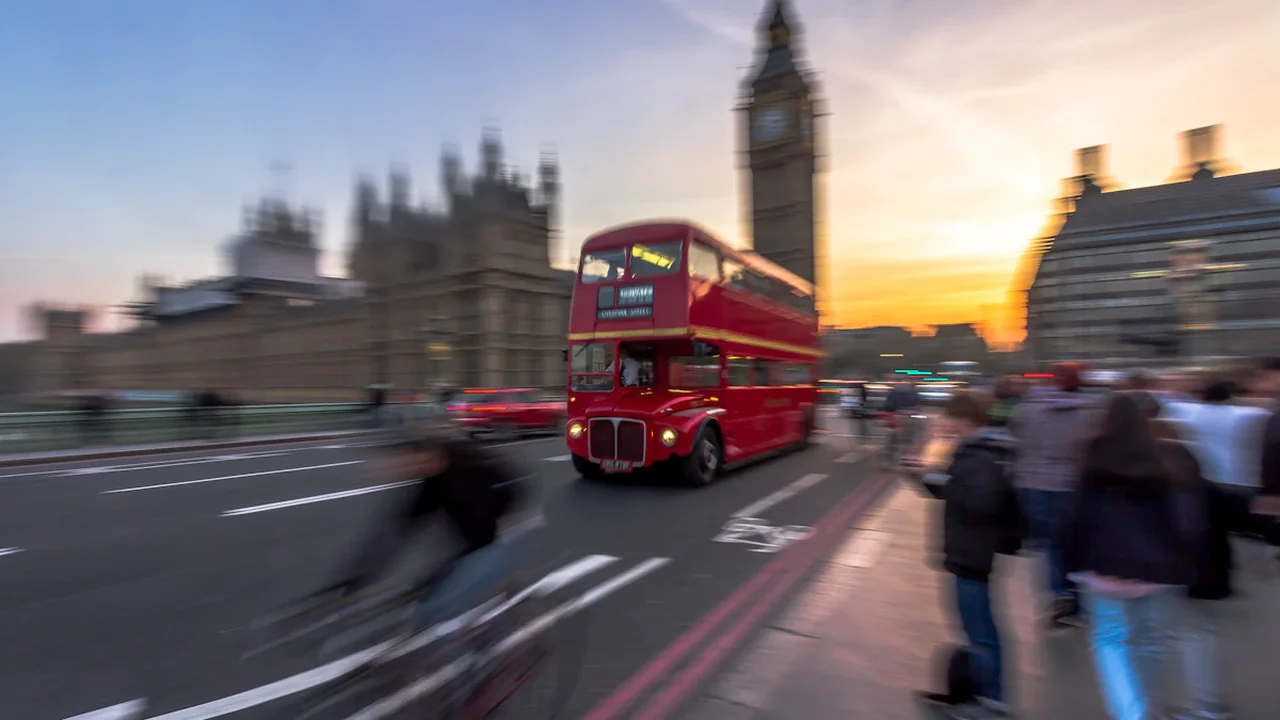
London still has a TfL bus Route 13, while the British Board of Film Classification maintains public records for releases carrying the title Friday the 13th. Together, they show two sides of the superstition: public systems usually treat 13 as an ordinary number, while popular culture keeps turning it into a signal of suspense.
The date is a blend of traditions, not one proven ancient curse
Friday the 13th is widely associated with bad luck in popular culture, but historians have not established one single event or belief that created the modern idea. It is better understood as a later combination of two older strands: unease around the number 13 and negative associations that Friday has acquired in some Christian and European traditions.
The fear of the number 13 has a name: triskaidekaphobia. Encyclopaedia Britannica uses the term for fear of 13, while also making clear that number-related fears belong to a wider pattern of superstition rather than a neat historical timeline.
Stories often present a precise origin—such as 13 people at the Last Supper, a medieval execution, or a particular disaster. Those stories can be meaningful parts of folklore, but repeating them does not prove that they created the date’s reputation. The modern belief was strengthened through newspapers, novels, films and everyday retelling.
What the evidence can and cannot show
Evidence can show that people have long attached meaning to numbers, days and unlucky encounters. It can also show that Friday the 13th became a familiar cultural shorthand for misfortune.
It cannot reliably prove that one ancient moment made everyone fear the date. That distinction matters: folklore is not worthless because it changes over time; it tells us how people explain uncertainty and pass stories on.
Britain’s Route 13 shows that public life does not erase the number
Transport for London’s Route 13 is a practical British counterweight to the idea that 13 is universally avoided. The route number appears in timetables, maps and journeys across the capital because transport networks need clear, stable identifiers more than they need symbolic reassurance.
That does not mean individual passengers never joke about the number or feel uneasy on the date. It means the superstition is selective. A person may avoid booking a room labelled 13, choose a different seat, or postpone a non-essential trip, while still using a bus, train platform or street address containing the same number.
This is also why claims that “Britain has no 13th floors” need care. Some hotels, blocks and businesses choose to skip a label or alter room numbering; others do not. There is no single national British numbering rule that turns 13 into an absent number. The practice is a local commercial or cultural choice, not proof that the number itself has disappeared.

For travellers, the sensible takeaway is simple: check the actual booking, boarding and route information. A missing room or floor label may be a convention, while a numbered public service such as Route 13 is simply part of the network.
British screens helped make the phrase instantly recognisable
The phrase also endures because entertainment gives it a vivid life. The Friday the 13th film series, an American creation with a long British release history documented in the BBFC’s public classification database, made the date a ready-made cue for danger long after many viewers stopped taking the superstition literally.
That cultural effect reaches beyond horror. A Friday the 13th reference can signal nerves before a journey, a bad-luck joke in an office, a newspaper pun, or a deliberately spooky event listing. The meaning works because readers already recognise the code.
History notes that the date is broadly linked with bad luck and superstition in popular culture. In Britain, as elsewhere, that shared reference can be stronger than any personal conviction. Someone can enjoy the joke, know the history is uncertain, and still avoid tempting fate in a small private way.
Why unlucky examples can feel more memorable
A difficult journey, a broken glass or an awkward meeting on Friday the 13th can stick in the mind because the date gives the event a ready-made story. Ordinary, uneventful Fridays are easier to forget.
Psychologists call this tendency confirmation bias: people may notice and remember examples that fit an existing expectation more readily than examples that do not. It is not a reason to mock anyone’s rituals. It is a useful reminder that a memorable coincidence is not the same as evidence that the date caused it.
Personal rituals can still have social value. They can offer comfort, create a shared joke or connect a family to an older tradition. The important line is between respecting that meaning and treating a superstition as a reliable forecast of what will happen.
Friday 13 November is the next cultural test in 2026
When Friday 13 November 2026 arrives, expect the familiar mix: horror-film references, light-hearted warnings, travel jokes and a few deliberate changes of plan. It will be another example of how an old and uncertain belief survives by adapting to ordinary modern life.
If you encounter a claim about the date’s “true origin,” look for whether it separates documented history from later storytelling. That is usually more revealing than the claim itself.
Source: Encyclopaedia Britannica
Context & actions About this article
Source check Historical context
The article separates the documented modern use of 13 from claims about a single ancient origin.
- Britannica defines triskaidekaphobia as fear of the number 13.
- History describes Friday the 13th as a popular-culture symbol of bad luck.
- Transport for London publishes Route 13 service information.
- The BBFC database records British classifications for Friday the 13th releases.
- Source
- Encyclopaedia Britannica: triskaidekaphobia
- Scope
- United Kingdom
- Updated
- 2026-08-13 07:35
Source check
Report a trust issue
Send a clear signal to community moderation if the source, facts or context need review.



Comments