By AtheneNet History Desk
The Glorious Twelfth is the traditional name for 12 August, when the red grouse shooting season opens across Great Britain. The date remains prominent in rural calendars and news coverage, but it is not a universal instruction to begin shooting: seasons differ in Northern Ireland, and Sunday rules or customs can delay activity when 12 August falls on that day.
The annual reference carries more history than its celebratory nickname suggests. It connects Victorian sporting culture with privately owned estates, managed heather moorland and present-day arguments about peat, wildfire, wildlife, employment and animal welfare.
What the Glorious Twelfth means
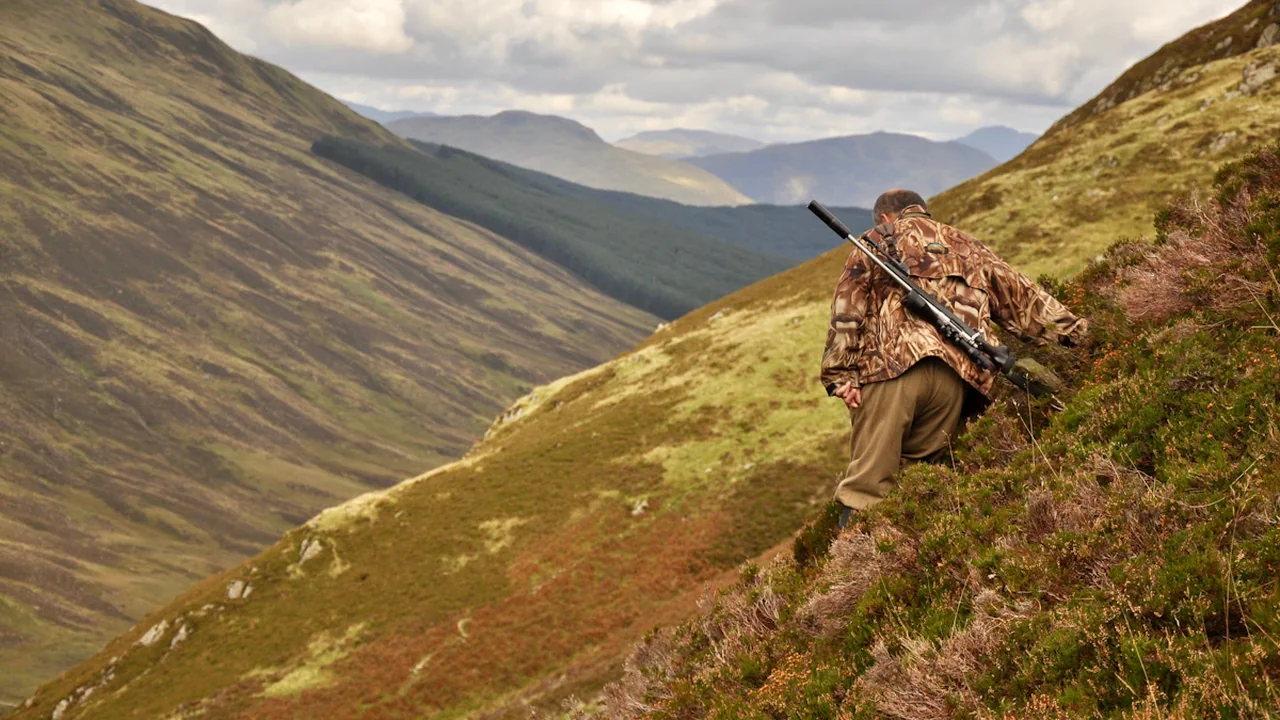
Red grouse are native birds associated with upland heather moors in Britain and Ireland. Unlike pheasants, which are commonly reared and released for shooting, red grouse generally live and reproduce on the moorland where they are later hunted.
Encyclopaedia Britannica defines the Glorious Twelfth as the traditional opening of Britain’s red grouse shooting season. In Great Britain, the statutory season conventionally runs from 12 August to 10 December, although landowners may decide not to shoot—or may start later—because of bird numbers, weather, habitat conditions or estate policy.
The phrase describes a cultural date, not a single UK-wide legal regime. Wildlife and game law varies among England, Wales, Scotland and Northern Ireland. General government guidance also makes clear that hunting and shooting are controlled through species-specific and location-specific rules rather than custom alone.
A useful distinction is therefore:
- Tradition gives 12 August its familiar name and cultural prominence.
- Legislation determines when red grouse may legally be taken in each jurisdiction.
- Local conditions determine whether an estate actually holds a shoot.
- Sunday restrictions and long-standing practice can affect the first active day.
Sunday can change the practical opening day
When 12 August falls on a Sunday, references to the season “starting” can be misleading. In England and Wales, the Game Act 1831 includes restrictions on taking game on Sundays and Christmas Day. Scotland has a different legal history, while some estates also observe Sunday as a non-shooting day through custom or management policy.
The result is that the legal season may reach its calendar opening without guns being used on every moor. In relevant places, organised shooting may begin on Monday instead. Readers should not assume that a newspaper reference to the Glorious Twelfth proves that shooting occurred nationwide on 12 August.
Northern Ireland must also be treated separately. Its red grouse open season is set under Northern Irish wildlife rules and has historically ended earlier than the Great Britain season. Current official schedules and any temporary conservation orders should be checked before relying on the traditional British dates.
How grouse shooting became tied to managed moorland
The custom grew in importance during the 19th century, when railways made remote upland estates more accessible to wealthy visitors. Improvements in firearms and transport helped turn driven grouse shooting into a prestigious part of the late-summer sporting calendar.
Estate management increasingly shaped moors around the needs of red grouse. Keepers maintained expanses of heather, controlled some predators, monitored disease and organised shooting days. In driven shooting, people known as beaters move across the moor and encourage birds to fly towards waiting participants positioned in shooting butts.
The Glorious Twelfth consequently became more than a date in game law. It marked the opening of a social and economic season involving estate owners, guests, gamekeepers, beaters, accommodation providers and other rural businesses.
That history also explains why debates about grouse shooting extend beyond the act of shooting birds. The practice is embedded in decisions about who owns, manages and benefits from large areas of upland Britain.
Heather management, peat and wildfire risk
Managed grouse moors often contain mosaics of heather at different stages of growth. Younger shoots provide food for grouse, while older, taller plants offer shelter and nesting cover. Managers may create this variation through cutting or carefully controlled burning.
Supporters of grouse-moor management argue that maintaining open heather habitat can support specialist upland species, fund year-round monitoring and reduce the amount of old, dry vegetation available to feed severe wildfires. They also distinguish small, planned burns carried out in suitable conditions from uncontrolled summer fires.
Critics respond that burning on peat can damage sensitive soils, release stored carbon, alter water movement and weaken the ability of degraded bogs to recover. The environmental effect depends heavily on where, how often and under what conditions vegetation is burned. Deep peat, blanket bog and dry heath are not interchangeable habitats.
This is why broad claims that burning either prevents wildfires or destroys moorland can conceal important differences. Cutting, rewetting, grazing levels, drainage, burn intensity and the condition of the underlying peat all influence the outcome. Regulations and land-management codes have increasingly focused on protecting peat-forming vegetation and limiting burning in sensitive areas.
Conservation claims remain contested
Grouse estates frequently control foxes, crows and other animals considered predators of gamebirds. Advocates say this work can also improve breeding success for some ground-nesting birds, including curlew, lapwing and golden plover. They argue that income from shooting gives owners a financial reason to retain heather moorland rather than convert it to other uses.
Opponents question the wider ecological cost of intensive predator control and the management of landscapes principally for shootable grouse numbers. Conservation organisations have also raised concerns about the illegal persecution of protected birds of prey on or around some managed moors. Such offences are not an inevitable or lawful part of grouse shooting, but their association with the sector has intensified scrutiny.
Red grouse populations naturally fluctuate. Weather, parasites, habitat quality and disease can all reduce numbers, leading estates to cancel shooting even after the season has opened. A quiet Glorious Twelfth may therefore reflect ecological conditions or voluntary restraint rather than a change in the statutory calendar.
Rural employment and animal welfare
The economic argument centres on whether shooting provides durable benefits to sparsely populated upland communities. Estates employ gamekeepers and may pay seasonal beaters, caterers, drivers and hospitality businesses. Supporters describe this spending as particularly valuable where other year-round employment is limited.
Critics ask how widely those benefits are distributed and whether alternative land uses—such as peat restoration, nature tourism, forestry or lower-intensity farming—could support comparable employment while delivering different public benefits. The answer varies by estate and region, making national claims difficult to apply to every moor.
Animal-welfare objections are more direct. Opponents argue that shooting birds for recreation causes avoidable suffering, particularly when wounded birds are not killed immediately. They also object to trapping or killing predators to increase grouse numbers.
Participants and shooting organisations answer that properly trained shooters, retrieval dogs and prompt dispatch procedures are intended to minimise wounding. They also frame shooting as regulated wildlife management and a source of food. These positions reflect a fundamental ethical disagreement that technical standards alone cannot resolve.
A tradition shaped by law and changing land priorities
The Glorious Twelfth survives as shorthand for a distinctive part of British rural history. Its meaning, however, should not be reduced to either pageantry or protest. The date sits at the intersection of game law, private landownership, upland ecology and competing ideas about the purpose of the countryside.
For any particular year, the most useful checks are the jurisdiction’s current open-season rules, whether 12 August falls on a Sunday, and announcements from individual estates about grouse numbers or cancellations. Those facts determine what happens on the ground more reliably than the traditional nickname alone.
Source: Encyclopaedia Britannica
Context & actions About this article
Source check Sources and legal context
This explainer separates the cultural meaning of 12 August from jurisdiction-specific game and wildlife law.
- Britannica’s definition of the Glorious Twelfth was used for the traditional meaning of th...
- Great Britain and Northern Ireland are treated separately because their open-season rules...
- Sunday restrictions and estate practice are distinguished from the nominal calendar openin...
- Environmental and welfare arguments are presented as contested claims rather than settled...
- Source
- Encyclopaedia Britannica
- Scope
- United Kingdom
- Updated
- 2026-08-12 10:42
Source check
Report a trust issue
Send a clear signal to community moderation if the source, facts or context need review.




Comments