By AtheneNet Editorial Team
Updated August 30, 2026
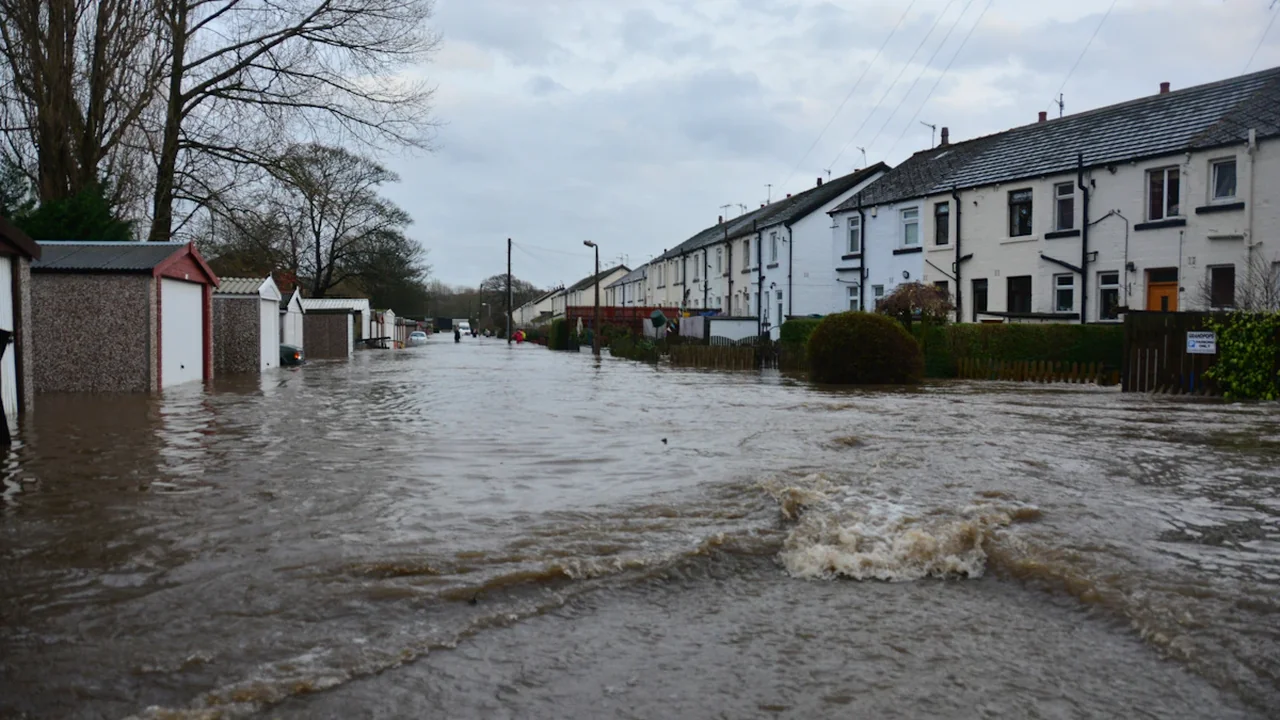
A dream in which water enters your home can feel intensely personal. It may invite reflection on emotional overload, change or pressure affecting your private life, but it is not a diagnosis or a fixed prediction. Notice how the water behaved, what you tried to protect and whether the dream is disturbing your sleep.
Why the house can feel like a picture of your private life
In dreams, a house often feels more intimate than an unfamiliar building. Its rooms may evoke identity, memory, relationships, privacy or the boundaries separating personal life from the outside world.
The particular setting can matter. A childhood home may carry different associations from a current apartment. A bedroom can suggest vulnerability or rest, while a kitchen may bring up care, routine or family life. A damaged front door may feel connected to access and boundaries.
These are possibilities rather than universal definitions. The strongest clue is usually the dreamer’s own relationship with the place. A basement that feels frightening to one person may represent shelter, storage or a familiar workspace to someone else.
Water also carries many possible meanings. Across cultures and personal experiences, it can be associated with emotion, danger, cleansing, renewal, uncertainty or change. Its meaning in one dream depends on context: clear water moving gently through a room creates a different emotional scene from dark water smashing windows.
A slow leak suggests a different pressure from a sudden flood
The form of the flooding can help organize reflection. Instead of asking only what water symbolizes, consider its speed, source and effect on the house.
A leak that will not stop
A dripping ceiling, damaged pipe or spreading damp patch may resemble a problem that feels small but persistent. It could bring to mind an unresolved conversation, accumulating responsibilities, financial strain or a boundary that is being crossed gradually.
The dreamer’s reaction adds useful detail. Searching calmly for the shut-off valve suggests a different relationship to the problem than ignoring the leak, hiding the damage or feeling unable to locate its source.
Water rising from room to room
Slowly rising floodwater may resemble pressure becoming harder to contain. The dream can feel especially unsettling when familiar exits disappear or valued possessions become unreachable.
Ask when the danger became undeniable. Did you begin moving objects early, or wait until the water was waist-high? Did anyone help? These details may reflect how you perceive support, urgency and control, without proving anything about your waking life.
A violent storm breaking into the house
Wind-driven rain, waves or a sudden wall of water can create a sense of outside forces overwhelming personal space. The scene may resonate during periods of rapid change, conflict, grief, demanding work or uncertainty.
Yet intensity does not automatically equal hidden crisis. Dreams can combine recent images, physical sensations, memories and ordinary concerns into vivid stories. A storm dream after severe-weather coverage or a real household leak may have a straightforward recent association.
Your actions may matter more than a symbolic dictionary
Two people can dream about identical floodwater and wake with completely different feelings. One may experience terror and helplessness; another may feel relieved as the water washes away an old, neglected interior.
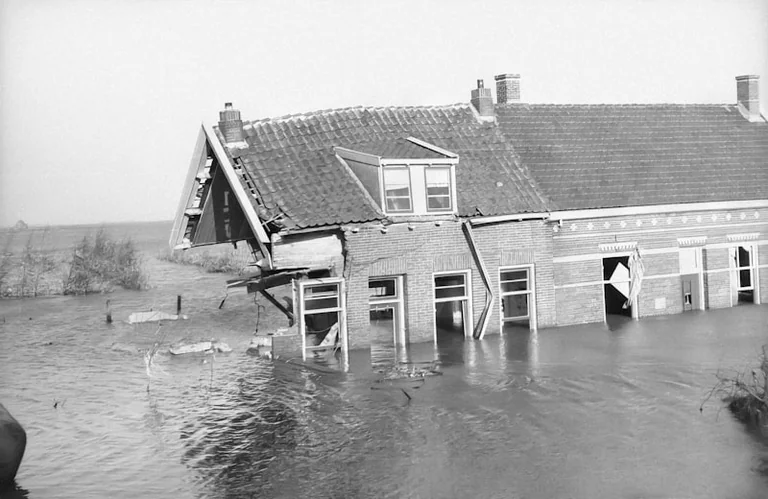
Focus on what you did during the dream. Perhaps you rescued photographs, carried a child or pet upstairs, warned neighbors, searched for a missing person, repaired a window or simply watched. Each action identifies what the dream treated as important.
Also notice your emotional position:
- Were you trapped, prepared, curious or unexpectedly calm?
- Did you act alone, accept help or try to protect everyone else?
- Did the house collapse, survive or become habitable again?
- How did you feel immediately after waking?
A dreamer’s response can reveal more useful personal associations than a claim that every flooded house has one meaning. Calm problem-solving may point toward perceived capability, while frantic rescue efforts may echo a sense of responsibility. Neither interpretation should be treated as a clinical conclusion.
Flood stories carry cultural meaning, not a diagnostic code
Flood narratives appear in many religious and folk traditions. The Biblical account in Genesis describes destruction, survival and covenant. Ancient Mesopotamian literature, including the Atrahasis story and the flood episode associated with Gilgamesh, also presents overwhelming waters, preservation and a changed world.
Wider folk traditions have used floods to explore danger, collective memory, moral order, displacement, renewal and the remaking of landscapes. These stories differ greatly in purpose and detail. They should not be compressed into a single symbolic formula.
A person’s cultural or religious background may still shape how a flood dream feels. Someone raised with a particular sacred narrative may associate the water with judgment, rescue, renewal or responsibility. Another person may connect it primarily with local flooding, family history or environmental anxiety.
Cultural context can deepen reflection, but no tradition turns a dream image into a reliable diagnosis or forecast. Personal belief and lived experience remain central.
Three questions for a flooded-house dream journal
Write down the dream soon after waking, before smaller details fade. Describe what happened without interpreting it first: where the water appeared, how quickly it moved, who was present and what you did.
Then answer three questions:
- What felt threatened? Name the room, person, object, memory, routine or sense of safety that seemed at risk.
- What was rescued? Record what you protected first and why it matters to you outside the dream.
- Where has pressure accumulated recently? Consider work, relationships, caregiving, money, health concerns, change or unfinished decisions.
Look for connections rather than forcing an answer. A single dream may reflect several concerns, or none that are immediately clear. If it recurs, compare entries for changing water levels, repeated rooms, familiar actions and the feelings present on waking.
It may also help to note recent triggers such as storm reports, plumbing trouble, a move, an argument or interrupted sleep. These ordinary associations can be as relevant as any metaphorical reading.
When recurring flood dreams are disrupting sleep
An intense dream is not automatically a sign that something is wrong. However, repeated nightmares can become exhausting when they lead to fear of sleeping, frequent awakenings, daytime fatigue or ongoing distress.
If the dream persists, significantly disrupts sleep or is connected with frightening memories, consider speaking with a healthcare professional. A clinician can help assess sleep disturbance and discuss appropriate support without relying on symbolic dream interpretation.
In the meantime, keep the exercise gentle. The purpose is to notice what the dream brought into focus, not to prove a hidden meaning or pressure yourself into an explanation.
Source: Editorial research
Context & actions About this article
Source check How to use this guide
This guide presents cultural context and journaling prompts without assigning a universal or clinical meaning to dreams.
- Compare the dream imagery with your own associations and recent experiences.
- Treat cultural flood narratives as context rather than symbolic codes.
- Seek professional support if recurring dreams cause persistent distress or sleep disruptio...
- Scope
- International
- Updated
- 2026-08-30 14:17
Source check
Report a trust issue
Send a clear signal to community moderation if the source, facts or context need review.



Comments