
Dreaming that you have missed a train is a common experience that often leaves the dreamer feeling a lingering sense of urgency, frustration, or loss upon waking. While such dreams are not predictors of the future or prophetic warnings, they frequently serve as reflections of our waking life—specifically regarding how we manage time, navigate life transitions, and respond to the pressure of external expectations.
The Symbolism of the Rail
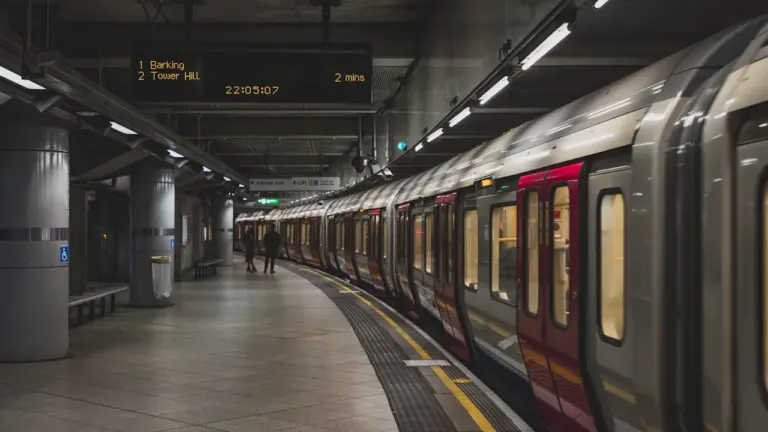
In the context of dreams, trains often represent a trajectory or a shared path. Because rail travel relies on fixed tracks and strict departure times, it serves as an ideal metaphor for the rigid structures we navigate daily. Missing the train often mirrors a feeling of being out of sync with a schedule that feels beyond our direct control. Unlike driving a car, where the driver dictates the speed and direction, rail travel requires adherence to a system. When you dream of missing a departure, it may highlight a subconscious tension between your personal pace and the demands of the environment around you.
Common Contexts and Interpretations
To understand the imagery, it is helpful to look at the specific emotional details of the dream:
Read also: Packing a Suitcase in a Dream: What Your Choices May Reveal
- Deadline Pressure: Reaching the platform just as the doors close often reflects anxiety about a real-world deadline. It suggests a fear that you are running out of time to achieve a specific goal or that you have failed to meet a standard set by your workplace or personal life.
- Loss of Control: If you are delayed by another person, a misplaced item, or an external event within the dream, it may point to frustrations where you feel your progress is being hindered by factors outside your influence. This often mirrors professional or domestic situations where you feel your agency is limited.
- Regret and Opportunity: Watching the train depart from a distance can symbolize a hesitation regarding a recent life choice or a fear that a window of opportunity has closed. It is less about the train itself and more about the internal narrative of “what if.”
Commuter Culture and Collective Anxiety
For many, particularly in regions with established rail infrastructure like the United Kingdom, the commute is a deeply ingrained ritual. The dream of a missed train taps into the collective cultural anxiety of the ‘daily grind.’ In these environments, rail disruption is a tangible, recurring stressor. The dream acts as a psychological extension of this reality, where the fear of failing to meet the rhythmic demands of modern life is projected onto the imagery of the platform. It is important to note that these interpretations are not universal; your personal relationship with travel, transit, and punctuality will significantly color the meaning of the imagery.

What Changes: Shifting Your Perspective
When you experience this dream, the most productive approach is to move away from searching for a definitive, symbolic meaning and instead use the dream as a prompt for self-reflection. The dream is not a diagnosis, but a mirror for current stressors. Consider the following questions to ground your reflection:
- The Deadline Audit: Is there a current deadline in my life that feels particularly overwhelming, or am I projecting a sense of urgency where one may not actually exist?
- The Track Assessment: Do I feel that my current path is truly mine, or am I following a ‘fixed track’ set by others that no longer aligns with my goals?
- The Control Inventory: What is one thing I am currently trying to control that is actually outside of my hands?
By identifying these stressors, you can shift your focus from the anxiety of the ‘missed’ event toward the choices you have the power to make today. Recognizing the difference between what you can influence and what is beyond your control is the most effective way to address the underlying tension that these dreams often highlight.
Source: Editorial research
Context & actions About this article
Source check Reflective Interpretation
This article provides a reflective framework for understanding common dream imagery without assigning prophetic value.
- Consulting psychological literature on dream symbolism
- Analyzing common themes in commuter-related stress
- Scope
- International
- Updated
- 2026-08-24 16:44
Source check
Report a trust issue
Send a clear signal to community moderation if the source, facts or context need review.



Comments