By the AtheneNet Lifestyle Desk | Updated August 25, 2026
A dream about returning to school can make a new beginning feel like an old test. Forgotten timetables, surprise exams and familiar classrooms often mirror concerns about evaluation, unfinished work or being unprepared—but they do not reveal a single hidden truth.
The most useful question is not “What does this dream predict?” but “Where in my life do I currently feel assessed?” A new job, course, relationship, move or responsibility may create the same mixture of anticipation and uncertainty once associated with school.
School dreams often turn present pressure into familiar scenes
Dreams commonly reuse places and situations that already carry emotional weight. School offers a particularly rich setting: rules, deadlines, comparison, authority, achievement, friendship and exclusion can all exist in the same building.
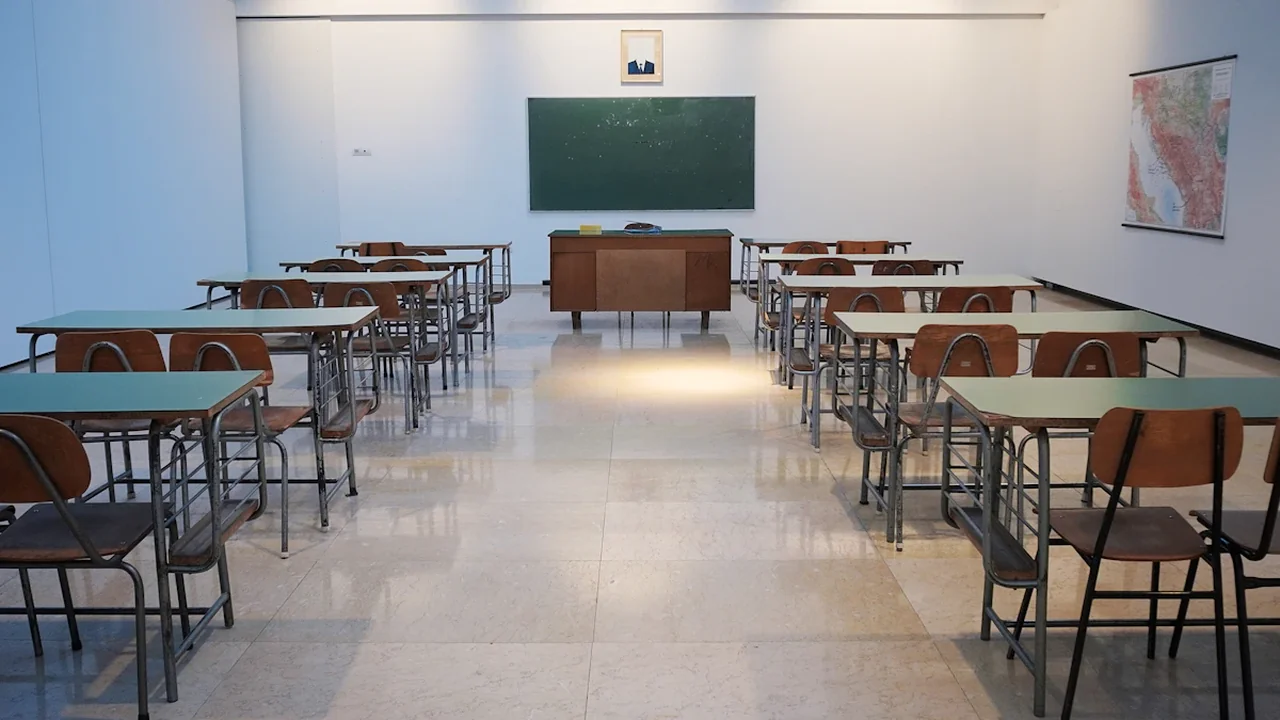
That makes a classroom a flexible backdrop for current concerns. Someone preparing for an interview may dream of sitting an exam. A person managing several deadlines may be unable to find the right lesson. Someone beginning again after a setback may return to a classroom from decades earlier.
These connections are possibilities, not fixed interpretations. Dream content is shaped by personal experience, recent events and ordinary memory. Two people can have nearly identical school dreams and associate them with completely different feelings.
The practical picture
- A missed lesson may reflect concern about falling behind.
- An unexpected exam can resemble pressure to perform without enough preparation.
- An old classroom may connect a present transition with an earlier period of change.
- A forgotten timetable can echo uncertainty about priorities or expectations.
- Familiar classmates may bring comparison, belonging or past social tension into focus.
Forgotten timetables and surprise exams point to different concerns
The details of a school-return dream can help identify which part of a current situation feels difficult. They are prompts for reflection rather than proof of a concealed problem.
If you cannot find your timetable, the central feeling may be confusion. Perhaps expectations have not been explained clearly, or several priorities are competing for attention. The practical need might be a written plan, a direct question or permission to focus on one task at a time.
An unexpected exam places more emphasis on performance. It can resemble situations in which you expect your knowledge, competence or decisions to be judged. The dream may be especially relatable before an interview, presentation, review, qualification or unfamiliar responsibility.
Arriving late can highlight lost control, competing demands or fear that an opportunity is passing. Discovering unfinished homework may connect with a delayed decision or an obligation that remains mentally active. Being unable to open a locker, find a classroom or understand the assignment can evoke the frustration of lacking access, instructions or support.
A dream in which everyone else appears prepared may bring comparison to the foreground. Adult life contains many unofficial report cards: salaries, promotions, relationships, homes, qualifications and personal milestones. The dream does not establish that you are behind; it may simply dramatize the pressure of measuring yourself against other people.
September can reactivate the feeling of starting again
The approach of September changes everyday surroundings. Shops display school supplies, families adjust routines and conversations turn toward new terms, courses and schedules. Even adults who are not directly involved with education may encounter reminders of registration, uniforms, classrooms and first days.
Those seasonal cues can make school memories more available to the dreaming mind. September is also widely associated with renewed structure after summer. Work projects restart, routines tighten and people often reconsider goals for the final months of the year.
That combination can make a school setting especially fitting for dreams about readiness. The emotional question may be simple: Am I equipped for what begins next?
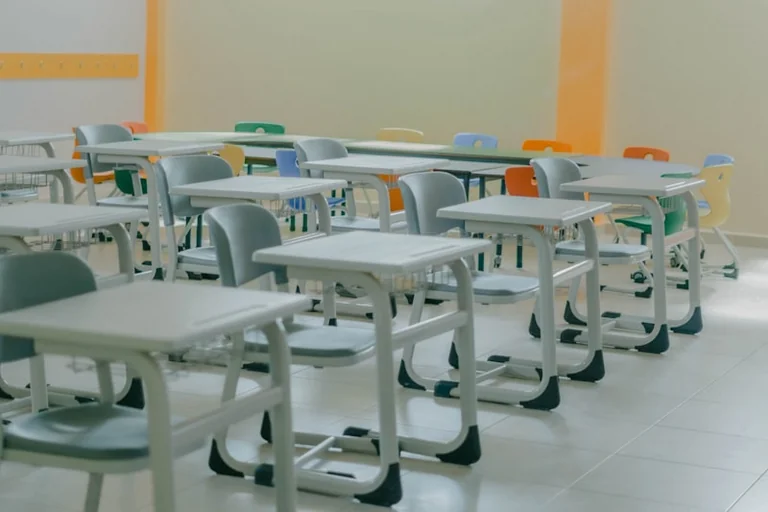
This seasonal context does not mean every school dream has the same cause. A recent conversation, a child returning to school, an upcoming course or even seeing an old building may be enough to shape the setting. Timing provides context, not certainty.
Your own school history changes what the classroom represents
School is not a neutral symbol. For one person, it may recall achievement, close friendships and intellectual curiosity. For another, it may be linked with bullying, exclusion, strict discipline, academic pressure or needs that were not understood.
A warm, sunlit classroom may feel reassuring to someone who enjoyed learning. The same room could feel restrictive to someone who experienced school as a place of constant judgment. Nostalgia can also sit beside anxiety: it is possible to miss a period of life without wanting to repeat its difficulties.
Consider the emotional tone before assigning meaning to the setting. Were you curious, embarrassed, trapped, relieved or pleased to return? Was the teacher helpful or intimidating? Did the classroom feel exactly as remembered, or had it changed?
The strongest association may not involve education at all. A particular classroom could be connected with a friendship, a family transition, a public mistake or the first time you felt capable. Personal memories usually offer more useful context than a universal dream dictionary.
If school memories are distressing or the dreams repeatedly disrupt sleep, gentle self-reflection may not be enough. A qualified health professional can help explore sleep difficulties or emotional distress without treating the dream as a diagnosis.
Recurring school dreams may follow recurring situations
When the same dream returns, look for repetition in waking life. It may appear before performance reviews, major deadlines, family gatherings or moments when you expect to be compared with others. Keeping a brief note of the dream and the previous day’s events can make patterns easier to notice.
Record only a few details:
- What happened in the dream?
- Which emotion was strongest on waking?
- What currently feels unfinished or uncertain?
- Where do you feel watched, graded or compared?
- What changed before the dream returned?
A pattern is useful because it can direct attention toward a practical need. It is not evidence that the dream predicts an event or exposes a fact you do not consciously know.
Turn the dream into a manageable next step
Start by naming the present-day “exam.” It might be a formal assessment, but it could also be a difficult conversation, a leadership role or the pressure to appear competent while learning something new.
Then separate preparation from self-judgment. Ask what would make the next step more manageable: clearer instructions, additional practice, more time, feedback, childcare, rest or help from someone experienced. A vague fear of being unprepared often becomes easier to address when translated into a specific missing resource.
It may also help to question the standard being applied. Are you meeting a genuine requirement, guessing what others expect or comparing your beginning with someone else’s established progress? Not every internal grade deserves authority.
Finally, choose one proportionate action. Confirm a deadline, rehearse a presentation, request clarification or complete the smallest unfinished task. The dream itself requires no solution. Its value, if it has one, lies in helping you notice where current expectations feel like an old classroom—and what support would help you walk through the next door.
Source: Editorial research
Context & actions About this article
Source check How to read this guide
AtheneNet presents dream themes as prompts for personal reflection rather than predictions, diagnoses or universal meanings.
- Interpretations are framed as possibilities rather than facts.
- Personal school history is treated as more relevant than a universal symbol dictionary.
- Practical questions focus on current pressures, preparation and support.
- Scope
- International
- Updated
- 2026-08-25 19:18
Source check
Report a trust issue
Send a clear signal to community moderation if the source, facts or context need review.



Comments