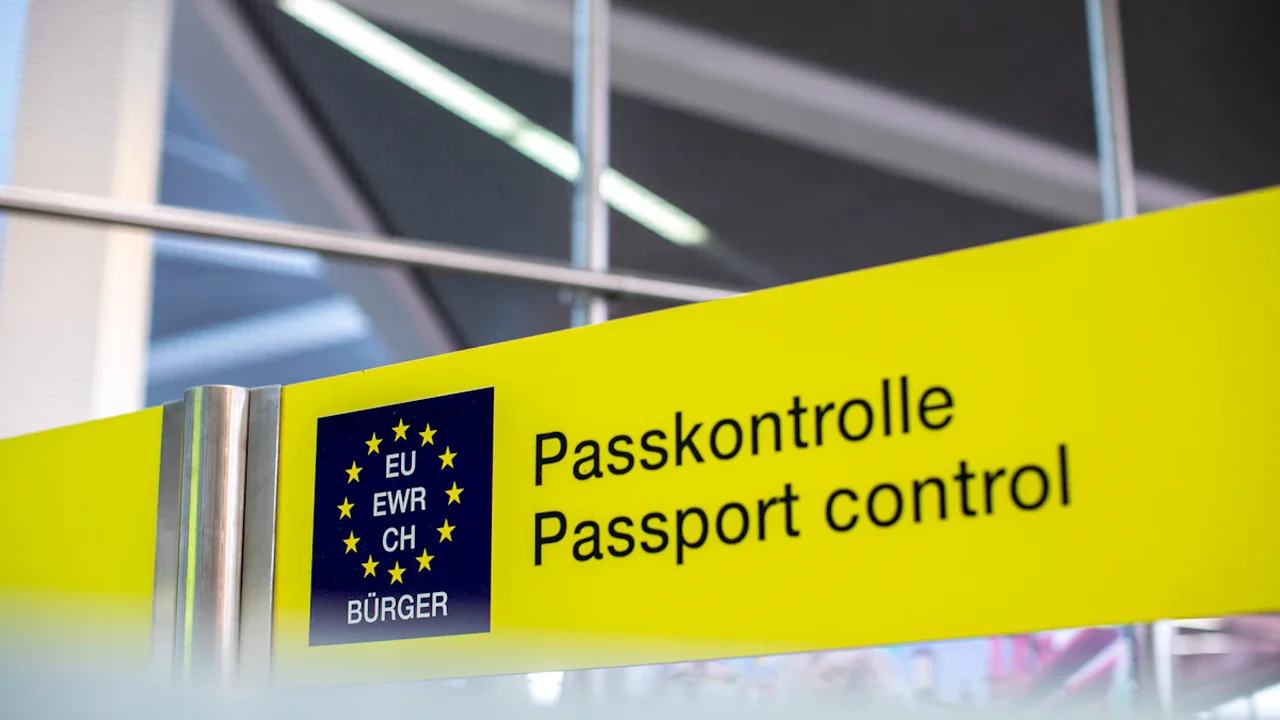
UK passport holders flying to Schengen destinations in autumn 2026 should check their passport, destination entry conditions and carrier requirements before booking. The practical rules can differ by country, route and travel date, while the EU’s Entry/Exit System and ETIAS arrangements may have implementation details that change.
This guide is aimed at travellers departing the UK for countries including France, Spain, Italy, Germany, Greece, Portugal and the Netherlands, especially where a flight connects through an EU airport. A valid booking alone does not guarantee boarding or entry.
Who these checks apply to
This is primarily for UK passport holders making a short leisure, business or family visit to a Schengen-area destination. It also matters if your final destination is outside Schengen but your journey includes a connection through a Schengen airport.
Read also: UK Travellers to France: Passport and Border Checks
Your route can change which border is most important. On a direct flight from the UK to France, the French border rules are central. On a journey from the UK via Amsterdam to Italy, checks may happen at the first Schengen airport where you enter the area.
Travellers with a British passport who also hold EU, EEA or Swiss nationality may have different rights and document options. Children, people travelling with a non-British family member and anyone planning to work, study or stay longer need destination-specific advice rather than relying on short-visit guidance.
Check your passport before you pay for travel
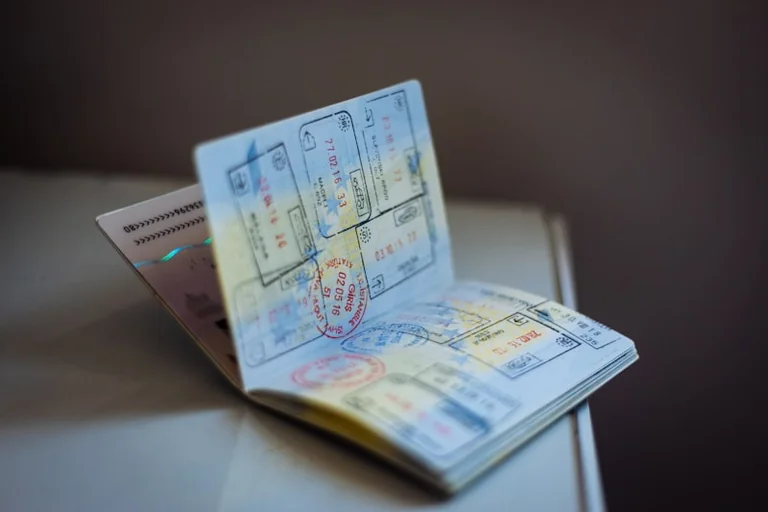
Start with the passport you will actually carry. Look for damage, missing pages, water marks, an approaching expiry date or a name that does not match the booking. Airlines can refuse boarding if they believe your document does not meet the destination’s requirements.
For many short trips to Schengen countries, passport conditions can include both remaining validity after your planned departure and limits on how long ago the passport was issued. Do not assume that an expiry date several months away settles the question: the exact requirement must be checked for the country and date of travel.
Take these steps before booking a non-refundable fare:
- Check the passport issue date and expiry date.
- Confirm that the name on your flight, rail or ferry booking matches the passport exactly.
- Check the entry rules for every country where you enter, transit or collect luggage.
- Allow time for a replacement passport if there is any doubt about validity or damage.
- Keep proof of onward travel, accommodation and funds accessible if your destination guidance says they may be requested.
A connecting itinerary deserves extra care. A connection with one ticket and checked-through bags can still require a border check at the first Schengen point of entry. Separate tickets may create additional risks if you must collect baggage, re-check in or pass through immigration.
Entry/Exit System and ETIAS: check the live position
The Entry/Exit System (EES) is an EU border-management system intended to record entries and exits for eligible non-EU travellers at external Schengen borders. Its use can affect the time needed at passport control and the information travellers may be asked to provide.
ETIAS is a separate planned travel-authorisation system for eligible visa-exempt travellers. It is not a visa, but it may become an additional pre-travel step once it applies to your journey.
Do not rely on old social posts, a previous holiday or a generic airline email for the start date, country coverage or practical process for either system. Before you travel, check the European Commission’s travel portal and the destination page on GOV.UK foreign travel advice.
If an EU system is due to apply around your departure date, build extra time into your airport, ferry terminal or Channel crossing plan. This is particularly sensible for first-time users, families travelling together and anyone with a tight onward connection.
Before booking flights, hotels and connections
Check the destination’s rules before you commit to a fare that cannot be changed. The airline’s document checker is useful for identifying boarding requirements, but it is not a substitute for the entry authority’s rules.
Use the airline for boarding, official pages for entry
Your airline decides whether it will carry you and may impose check-in deadlines, document checks and baggage rules. Its guidance should be read closely, particularly for a connection, a codeshare flight or a journey involving separate tickets.
For the legal entry position, use the destination country’s official information and the European Commission portal. GOV.UK destination pages add practical advice for UK travellers, including safety, health, local laws and entry guidance.
Confirm the full journey, not only the holiday destination
Make a simple route list: departure country, first EU airport, transit countries, final destination and return route. Then check each point that could involve immigration, customs, driving or an overnight stay.
This prevents common problems such as booking a short connection without allowing for a border queue, assuming an airport transit needs no document check, or discovering that a car-hire company has separate requirements from the country’s entry rules.
Insurance, phones and payment backup
Travel insurance should match the activities and destinations on your itinerary. Check medical cover, repatriation, cancellation limits, excesses, exclusions for pre-existing conditions and cover for valuables or sports equipment. The European Health Insurance Card or Global Health Insurance Card, where relevant, should not be treated as a replacement for comprehensive insurance.
Before leaving, ask your mobile provider about roaming allowances, data limits and charges in each country on your route. EU roaming rules do not automatically mean every UK mobile plan includes the same terms. Download maps, booking confirmations and key documents for offline access in case data service is limited.
Carry more than one way to pay. A bank card, a backup card and a modest amount of local cash can reduce disruption if a card is lost, declined or temporarily blocked for security checks.
Driving in France or elsewhere in Europe
If you plan to drive, check the rules for the precise country, vehicle and route. Requirements can differ for a UK-registered car, a rental vehicle, a motorhome, a motorcycle or a vehicle towing a trailer.
Confirm your driving licence is accepted, whether you need an International Driving Permit, and what documents the insurer or rental company requires. You may also need to check vehicle equipment rules, low-emission zones, toll arrangements and any requirement to display country identification.
For a drive through France to another country, do not check France alone. Review the rules for every country on the route, including overnight stops and return travel. Rental agreements may restrict cross-border driving even where border entry itself is allowed.
A final check 72 hours before departure
Three days before travelling, reopen the official pages and compare them with your booking. Check for changed entry conditions, transport disruption, local alerts and carrier instructions. Then repeat the airline check-in process when it opens.
The two most useful starting points are GOV.UK foreign travel advice, which provides destination-specific advice for UK travellers, and the European Commission travel portal, which explains travel and border systems in Europe. Use both alongside the official destination authority for the country you will enter first.
Source: GOV.UK
Context & actions About this article
Source check Travel checks
Entry rules and the rollout details of EU travel systems can differ by destination and departure date.
- Check GOV.UK advice for every destination and transit country.
- Check the European Commission travel portal for EU border-system information.
- Confirm boarding-document requirements with your airline.
- Recheck passport validity rules before booking and 72 hours before departure.
- Source
- GOV.UK foreign travel advice
- Scope
- European Union and Schengen Area
- Updated
- 2026-09-09 12:12
Source check
Report a trust issue
Send a clear signal to community moderation if the source, facts or context need review.

Comments